Nigeria News (Standard)
BINANI Air Reaffirms Commitment to Reliable Aviation Services After Inaugural Flights in Lagos
Airline pledges focus on professionalism, operational excellence as Group President Aminatu Chiroma highlights economic impact of improved connectivity
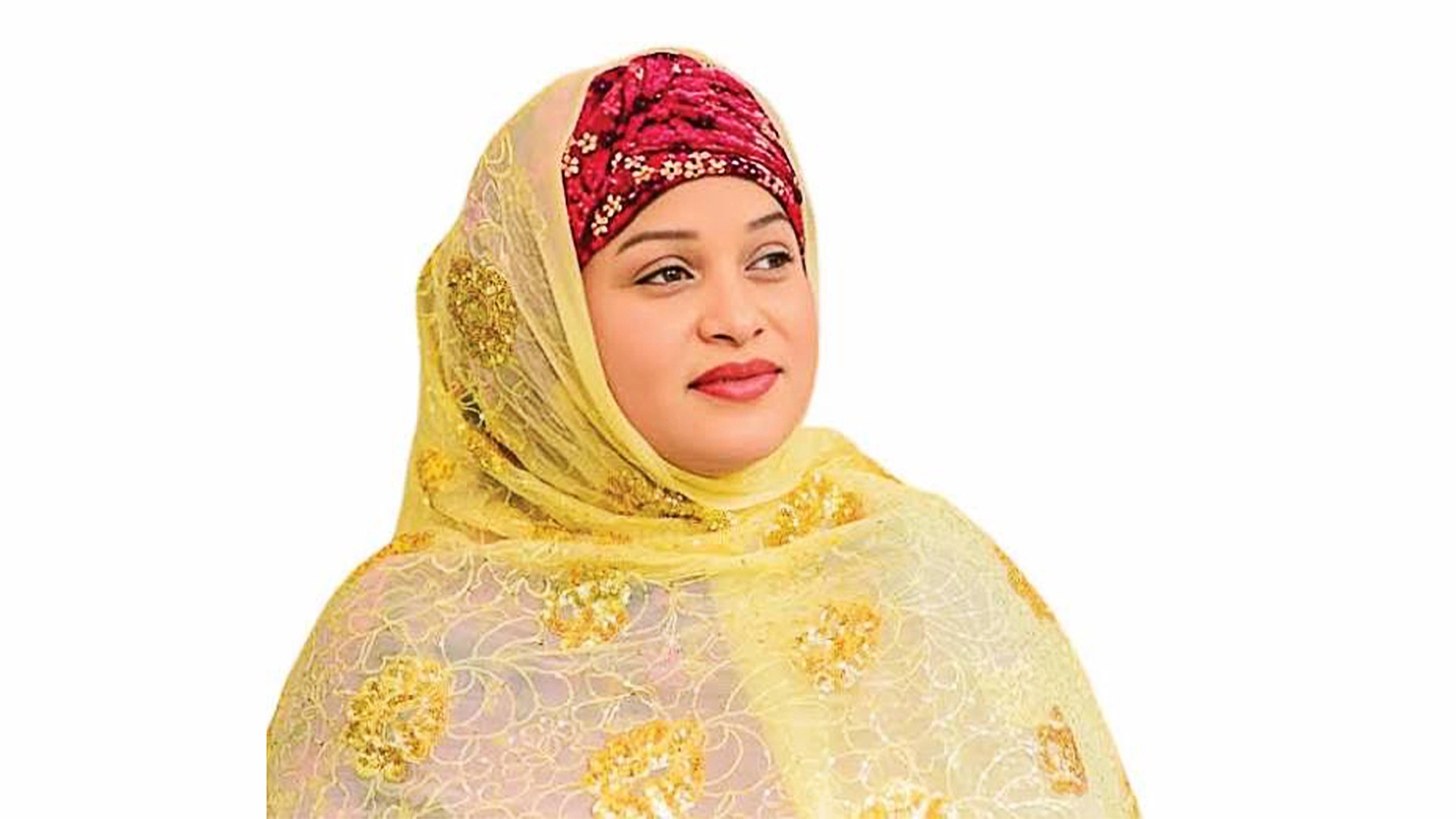
Airline pledges focus on professionalism, operational excellence as Group President Aminatu Chiroma highlights economic impact of improved connectivity
BINANI Air has reiterated its commitment to professionalism and service excellence barely one month after commencing operations in Lagos, stating that resilience and leadership remain crucial for building a trusted airline in Nigeria. The announcement came on Tuesday, as the airline’s management addressed journalists on its progress since the inaugural flights.
The Group President of BINANI Air, Aminatu Dahiru Chiroma, said the company is determined to strengthen operational reliability and enhance customer experience across its routes. She noted that the airline will prioritise sustainable growth by building an aviation brand Nigerians can trust. “Airlines do more than move passengers from one city to another. They create links between communities, industries and opportunities,” Chiroma stated, emphasising the broader role of aviation in national development.
Chiroma described improved air transport as a key driver of economic growth, tourism, and investment within the country. According to her, enhanced connectivity directly supports business expansion and provides vital infrastructure for national progress, particularly as Nigeria seeks to boost non-oil sectors.
The management further assured stakeholders that service quality would not be compromised despite prevailing challenges facing domestic carriers in Nigeria. BINANI Air’s leadership said it would continue to invest in staff training and technology upgrades to ensure safety and efficiency remain top priorities.
Industry observers note that BINANI Air’s early focus on reliability and professionalism could set it apart in a competitive market that has seen several entrants struggle with operational difficulties. The airline says it will maintain open channels for customer feedback while exploring new destinations as part of its growth strategy.
Nigeria News (Standard)
EFCC Chairman Olukoyede Reveals Governorship Aspirants Spend Up to ₦30bn on Elections Nationwide
Anti-graft agency links rising campaign costs to increased corruption and vote buying ahead of 2027 general elections
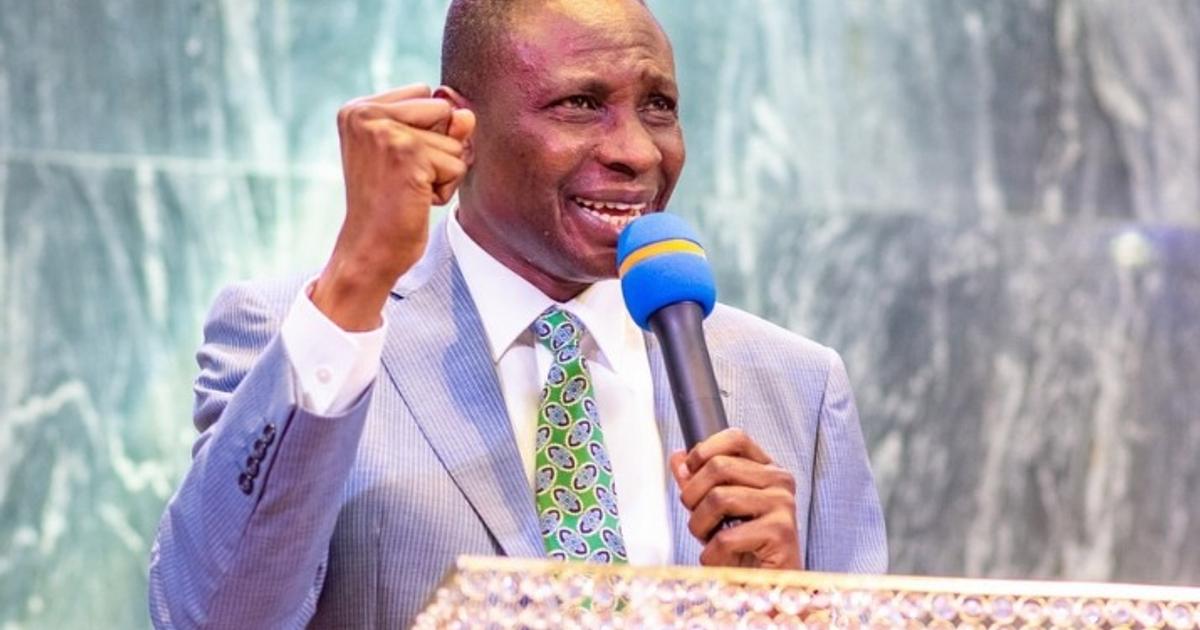
Anti-graft agency links rising campaign costs to increased corruption and vote buying ahead of 2027 general elections
Chairman of the Economic and Financial Crimes Commission (EFCC), Ola Olukoyede, has disclosed that governorship aspirants in Nigeria spend between ₦20 billion and ₦30 billion in their quest to win elections. Olukoyede made this known on Tuesday during a public lecture at the University of Ilorin, Kwara State, warning that the escalating cost of electioneering is undermining transparency and democratic values across the country.
According to Olukoyede, the heavy financial burden starts from party primaries and continues through to the general elections, making political contests highly capital-intensive. He noted that this trend has become a major driver of corruption in governance, as politicians who emerge victorious often feel compelled to recover their campaign expenses once in office.
The EFCC chairman expressed concern that such spending patterns are fuelling vote buying and other forms of financial inducement, thereby distorting the will of the electorate. He added that these practices erode public trust in Nigeria’s democratic institutions and weaken the credibility of the electoral process. “When elections become excessively expensive, governance suffers, as leaders may prioritise recouping campaign funds instead of focusing on service delivery,” Olukoyede said during his address.
Olukoyede also stressed that this development raises serious concerns ahead of the 2027 general elections, especially as political actors continue to disregard existing regulations on campaign financing. He called for stricter enforcement of electoral spending limits and stronger institutional frameworks to curb the influence of money in politics. “Tackling corruption in our political system requires addressing the root causes, including the rising cost of seeking public office,” he stated.
Nigeria’s electoral process has faced repeated criticism for being heavily monetised, with stakeholders urging reforms to lower financial barriers for candidates. The EFCC’s latest warning adds to calls for urgent action from government and political parties before the next election cycle. Attention is now focused on how institutions will respond to these challenges amid ongoing discussions on electoral reforms.
Nigeria News (Standard)
Aviation Ground Handlers Suspend Max Air Flights Nationwide Over ₦9bn Debt
AGHAN says decision affects all domestic routes as airline fails to negotiate payment; other carriers continue talks
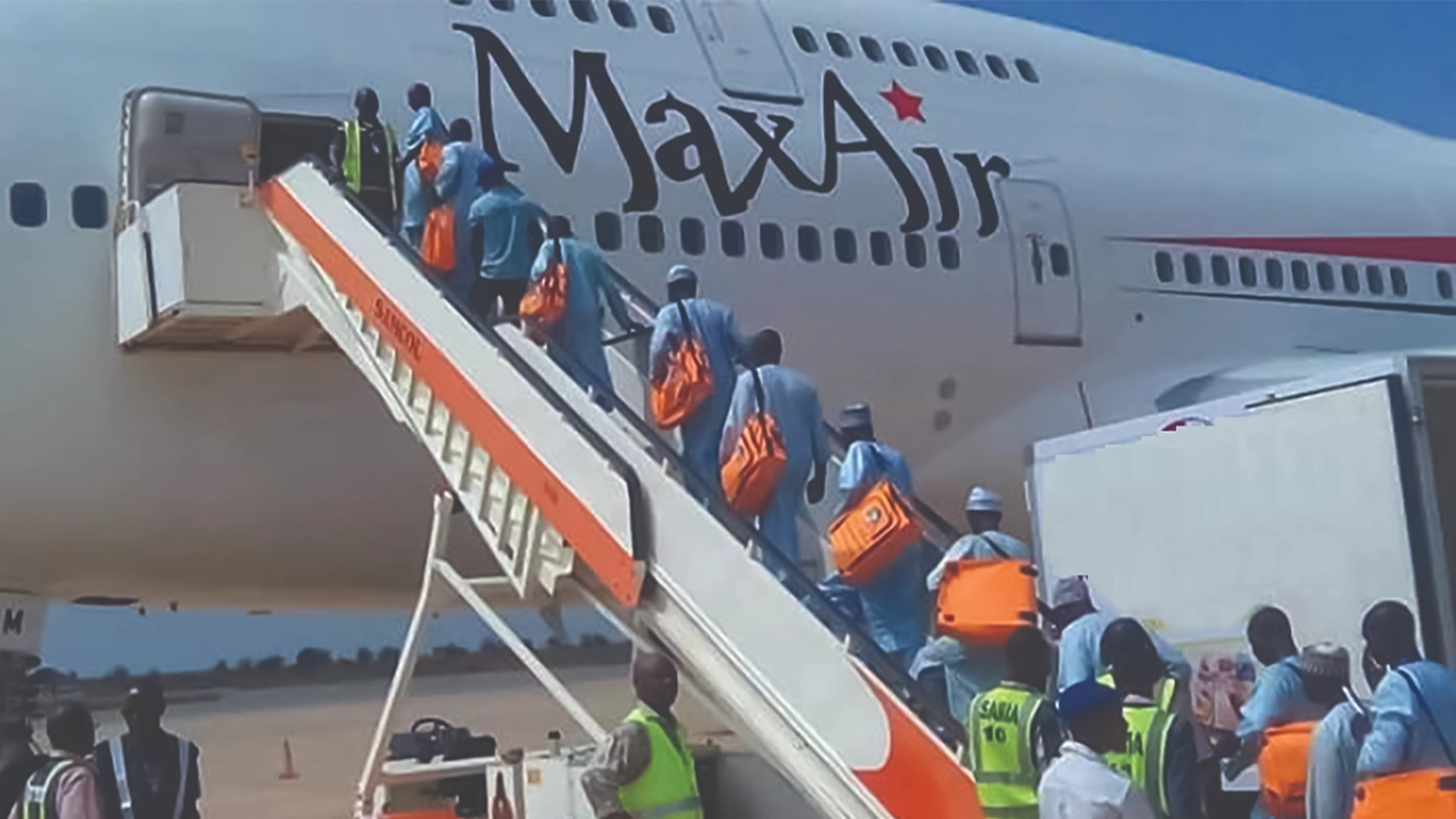
AGHAN says decision affects all domestic routes as airline fails to negotiate payment; other carriers continue talks
Max Air’s domestic flight operations across Nigeria were suspended on Thursday after the Aviation Ground Handlers Association of Nigeria (AGHAN) halted ground handling services to the airline over an outstanding debt of ₦9 billion. The enforcement action, which took effect nationwide, marks AGHAN’s first major clampdown on a defaulting carrier in recent years.
According to AGHAN Chairman, Mr Olaniyi Adigun, the association took the step following Max Air’s refusal to engage in any form of reconciliation or settlement talks regarding its debt. He stated that while other indebted airlines are currently negotiating and reconciling their accounts with ground handling companies, Max Air has repeatedly ignored efforts aimed at resolving the dispute.
Adigun explained that the financial strain caused by Max Air’s non-payment had become unsustainable for ground handling companies, which provide essential ramp and passenger services at airports across Nigeria. “We took this decisive action because Max Air refused to negotiate with us. While the other debtor airlines are negotiating, Max Air has blatantly refused,” he said on Thursday.
The suspension affects all Max Air flights within Nigeria, leaving passengers stranded and disrupting travel plans in major cities including Abuja, Lagos, Kano and Port Harcourt. Industry stakeholders say the move highlights growing concerns about airlines’ ability to settle operational debts amid rising costs in the aviation sector. Airline sources indicate that some affected passengers are seeking refunds or alternative bookings, while travel agencies face increased pressure to manage cancellations.
With AGHAN maintaining its stance, industry watchers expect further dialogue between the association and Max Air management before any resumption of services can be considered. The development also signals a warning to other carriers with outstanding obligations that stricter enforcement measures may follow if debts remain unresolved.
Nigeria News (Standard)
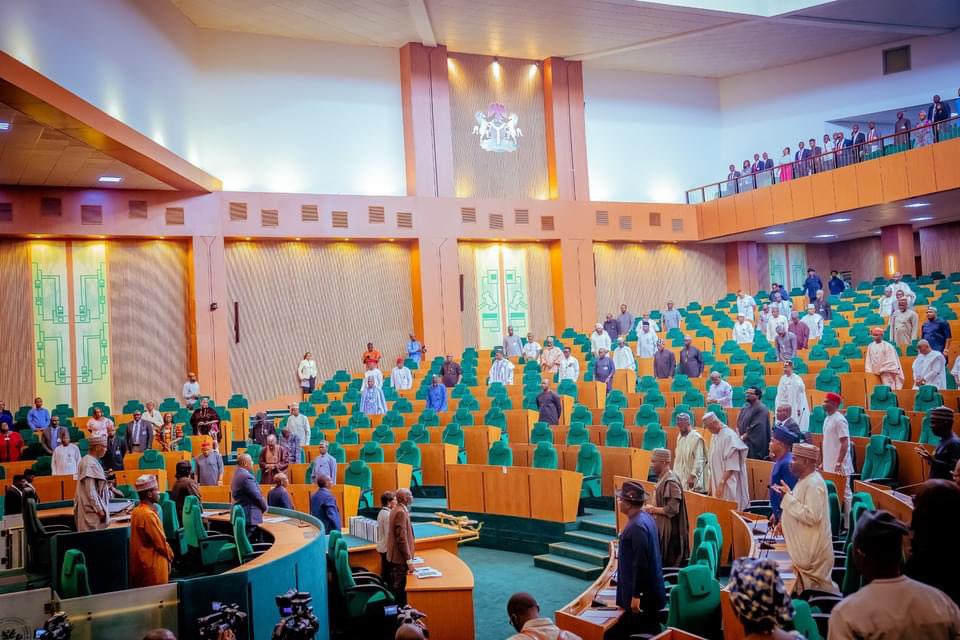
House of Representatives Passes State Police Bill in Landmark Abuja Session
Legislation aims to decentralise policing powers; move sparks debate over security and constitutional amendment requirements
Legislation aims to decentralise policing powers; move sparks debate over security and constitutional amendment requirements
The House of Representatives on Thursday passed a bill seeking to establish state police across Nigeria, marking a significant step towards decentralising security architecture in the country. The session, which took place at the National Assembly complex in Abuja on 11 June, saw lawmakers vote overwhelmingly in favour of the proposal after prolonged deliberations.
The bill’s passage follows months of pressure from various stakeholders calling for more localised control of security operations amid persistent insecurity in several regions. Lawmakers debated provisions for recruitment, oversight, and funding of the proposed state police forces before agreeing to forward the bill to the next legislative stage.
Advocates argue that state police will enhance rapid response to crime and address peculiar security challenges facing states such as Zamfara, Kaduna, and Rivers. However, critics warn that without strong safeguards, state governors may abuse policing powers for political ends. The legislation also faces hurdles as it requires constitutional amendment, demanding concurrence from two-thirds of Nigeria’s 36 State Houses of Assembly.
Supporters within the House described the move as historic. “This bill represents a bold step towards empowering states to secure their people,” one lawmaker said during plenary. Opposition members urged caution, stressing the need for clear guidelines to prevent potential misuse by state executives.
With the House’s approval secured, attention now shifts to the Senate and state legislatures. If enacted, Nigeria will join countries like the United States and India with multi-level policing systems. Analysts say successful implementation could improve public trust in law enforcement but caution that funding and operational independence will be critical challenges moving forward.

Shakira and Burna Boy’s ‘Dai Dai’ Beats Davido’s ‘Hayya Hayya’ to Top World Cup Anthem Ranking
EFCC Chairman Olukoyede Reveals Governorship Aspirants Spend Up to ₦30bn on Elections Nationwide
Aviation Ground Handlers Suspend Max Air Flights Nationwide Over ₦9bn Debt

Super Eagles Hold Steady at 26th as Argentina, Morocco Shine in Latest FIFA Rankings
House of Representatives Passes State Police Bill in Landmark Abuja Session
Chinese Embassy, Federal Ministry Mark 55 Years of Nigeria-China Relations at Abuja Exhibition
Alonso Told to Target 28-Year-Old Outcast as Chelsea Search for Reinforcements

Frustrated Fans Slam Samuel Chukwueze After Missed Chance in Super Eagles’ Loss to Portugal
Ụlọ Ọrụ Nigeria Kwupụtara Nsogbu Nchekwa na Ụtụ Isi N’agbanyeghị Ịrị Elu Obi Ike Ahịa

Sanwo-Olu Presents Hamzat, Sonayon-James as APC Lagos Governorship Ticket for 2027

Gọvanmenti Nigeria Kwupụtara 53 Orù Anyanwụ Maka Ike Ọhụrụ N’iru Afọ 2050
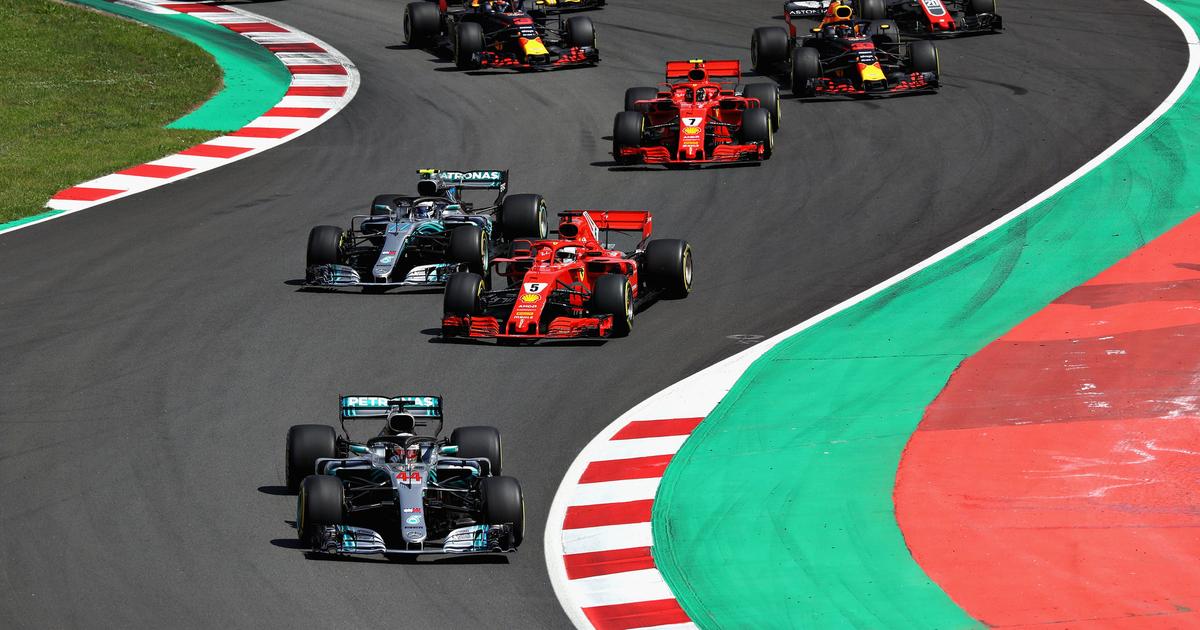
FG Launches $500m Abuja Formula 1 Bid, Targets Africa’s First Grand Prix Since 1993

Fresh Romance Rumours Trail Lando Norris as Alix Earle Sparks Drama in Monaco

Why More Nigerians Are Searching for Casino Bonuses—and What You Should Know Before Claiming

Moniepoint Graduates Second DreamDevs Cohort in Lagos to Strengthen Nigeria’s Engineering Workforce
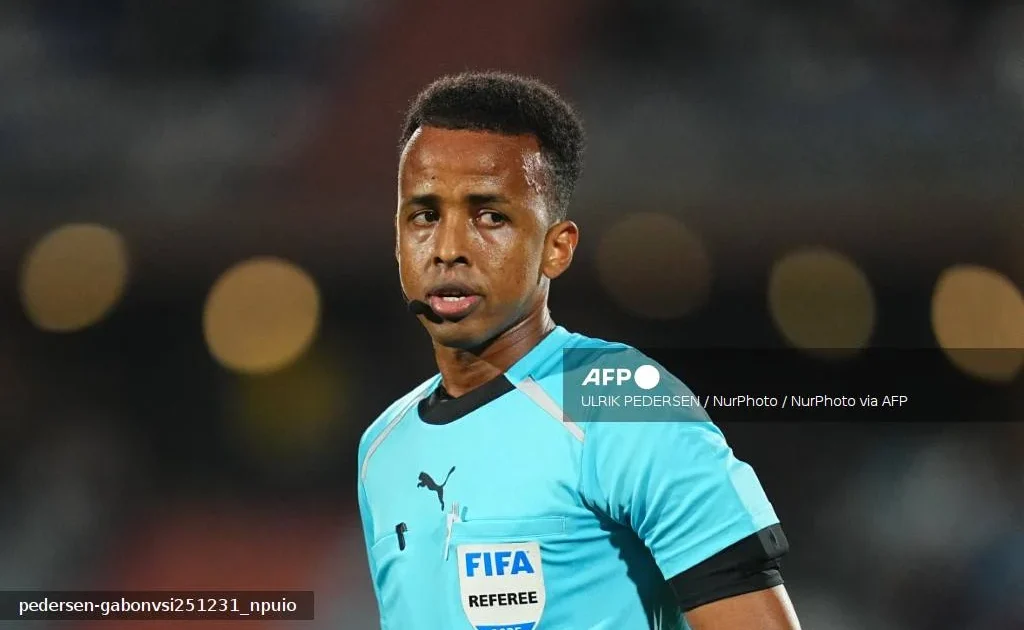
Somali Referee Omar Artan Blocked From US World Cup Over Visa Row, Misses Dream Debut
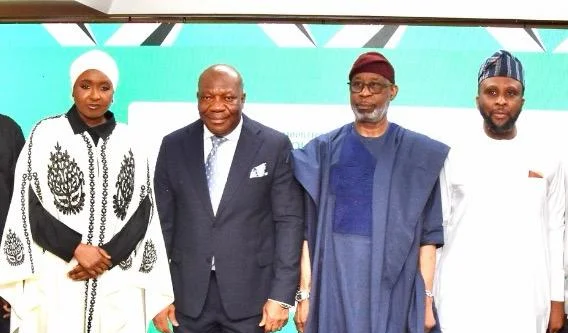
Federal Government Launches Mining Grants for Research and Exploration Across Nigeria
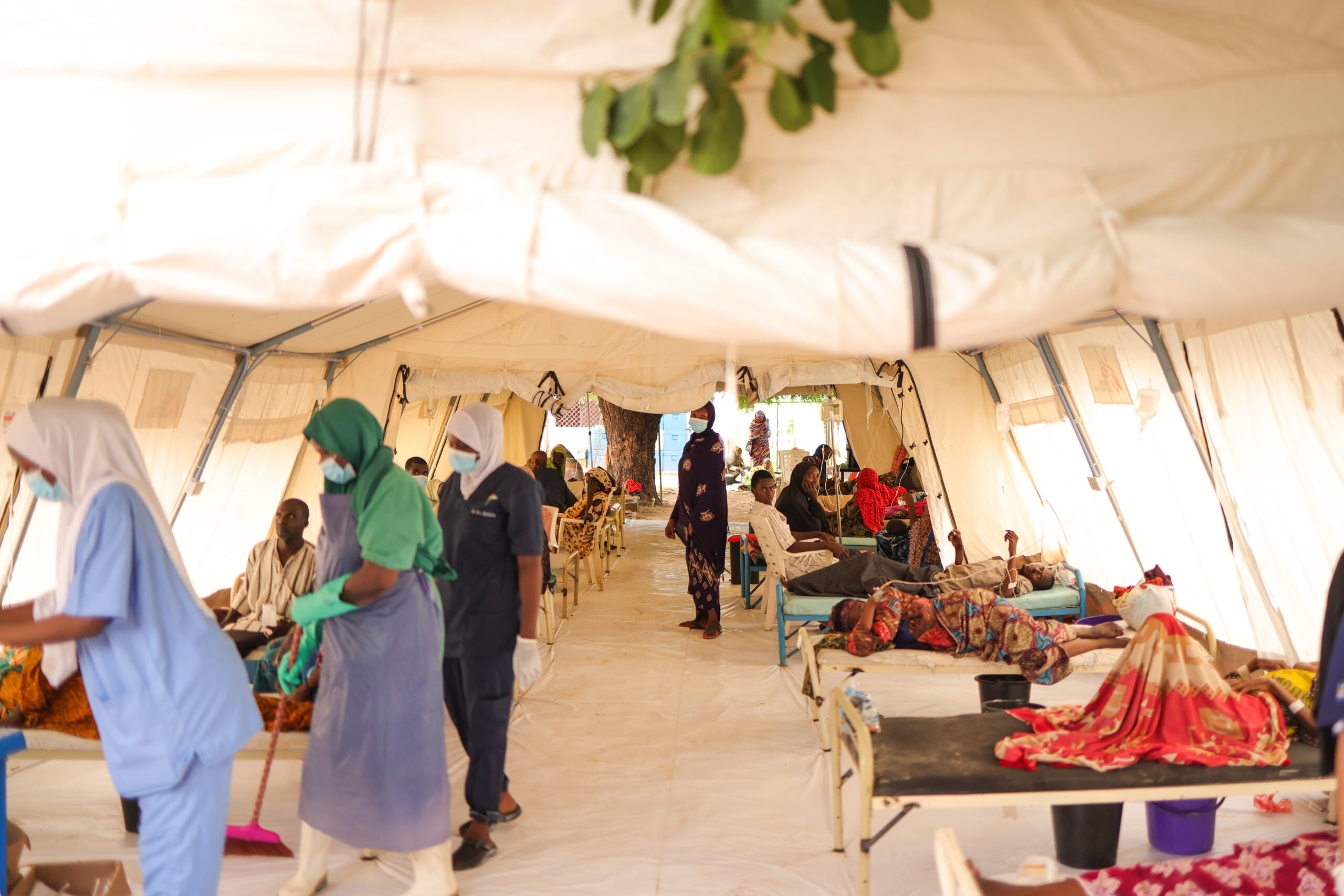
Borno State Records 74 Deaths as Cholera Outbreak Overwhelms Health Facilities
Ụlọ akụ Nigeria Welie Ogo Ego Naira Maka Ịkwụ Ụgwọ Mba Ọzọ N’ihi Ndokwa N’ahịa Ego Mpụga