
Nigeria News (Standard)
Chinese Embassy, Federal Ministry Mark 55 Years of Nigeria-China Relations at Abuja Exhibition
Zero-tariff policy for African imports, cultural exchange and technology cooperation top agenda at anniversary event
Zero-tariff policy for African imports, cultural exchange and technology cooperation top agenda at anniversary event
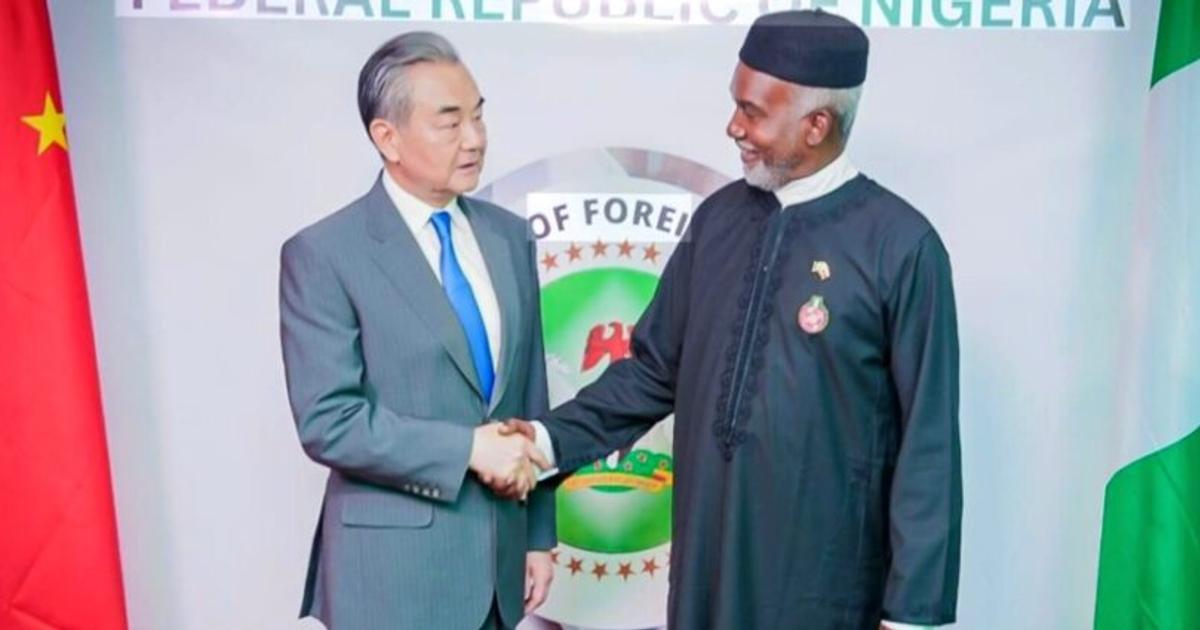
Officials from the Chinese Embassy and Nigeria’s Federal Ministry of Innovation, Science and Technology gathered at the China Cultural Centre in Abuja on Wednesday to commemorate 55 years of diplomatic relations between Nigeria and China. The event, which featured a traditional calligraphy and Tang Dynasty virtual reality exhibition, highlighted both countries’ commitment to deepening partnerships in trade, technology, and culture.
The anniversary celebration comes as China rolled out a new zero-tariff policy for imports from 53 African countries, including Nigeria. Yang Jianxing, Cultural Counsellor of the Chinese Embassy and Director of the China Cultural Centre, said at the event that the move would provide Nigerian businesses with greater access to Chinese markets and support economic growth. “On May 1 this year, China began implementing zero-tariff measures for 53 African countries, including Nigeria. This will provide more mutually beneficial market opportunities and greatly contribute to Nigeria’s economic development,” Yang said during his address.
The exhibition in Abuja was organised as part of ongoing efforts to strengthen people-to-people connections between both nations. Yang noted that exchanges in education, business and culture have increased over the years. He also emphasised the significance of 2026 being declared the China-Africa Year of People-to-People Exchanges. “For 55 years, the friendship between China and Nigeria has been profound and enduring,” Yang added.
Permanent Secretary of the Federal Ministry of Innovation, Science and Technology, Mukhtar Muhammad, represented Nigeria at the event. Muhammad called for further cooperation in science, technology and innovation sectors. “Nigeria has the largest population in Africa; a dialogue with Chinese civilisation will help us advance further in terms of technology, innovation and science,” he said.
The anniversary coincided with the International Day for Dialogue of Civilisations on June 10. Both sides agreed that cultural engagement is essential for mutual understanding amid global tensions. Going forward, officials pledged to sustain high-level visits and expand joint initiatives in trade facilitation, cultural programming and technological innovation between Nigeria and China.
Nigeria News (Standard)
Lagos Receives 268 Nigerians Evacuated From South Africa Over Xenophobic Attacks
Federal Government says more than 1,000 Nigerians seek evacuation as returnees land at Murtala Muhammed Airport

Federal Government says more than 1,000 Nigerians seek evacuation as returnees land at Murtala Muhammed Airport
No fewer than 268 Nigerians evacuated from South Africa following a recent surge in xenophobic attacks arrived in Lagos on Thursday. The returnees touched down at the Murtala Muhammed International Airport aboard an Air Peace flight arranged under the Federal Government’s emergency repatriation programme.
The evacuation flight, initially scheduled for Monday, was delayed by documentation and processing challenges before departing on Wednesday. Upon arrival in Lagos, the returnees were received by government officials tasked with coordinating their reintegration into Nigerian society.
The mass repatriation comes against the backdrop of mounting fears for the safety of Nigerians living in South Africa after renewed violence targeting foreign nationals. According to the Federal Government, more than 1,000 Nigerians have so far indicated their willingness to leave South Africa, with further evacuation flights planned in the coming days.
Minister of Foreign Affairs, Bianca Odumegwu-Ojukwu, disclosed that requests for evacuation have continued to rise since the onset of the attacks. She explained that the Nigerian High Commission in Pretoria has been working with South African authorities to facilitate safe passage for citizens facing both security threats and immigration difficulties. “Arrangements are being made to ensure that those with unresolved immigration matters can join the evacuation flights rather than face detention,” Odumegwu-Ojukwu said in a written statement issued Wednesday.
To manage the process, the Nigerian Mission commenced screening and documentation of intending returnees last week. The exercise, which was meant to end over the weekend, was extended due to growing demand. The Ministry of Foreign Affairs said this extension underscored government’s commitment to protecting citizens abroad amid rising insecurity. Additional flights are expected as authorities continue processing new applications from affected Nigerians.
Source: https://punchng.com/xenophobia-268-nigerian-returnees-arrive-in-lagos-from-south-africa/
Nigeria News (Standard)
Edo, Niger, Kogi and Oyo States Shut Schools Amid Fresh Kidnapping Threats
Over 2,400 students abducted since 2014 as DSS and security agencies issue new alerts across multiple states
Over 2,400 students abducted since 2014 as DSS and security agencies issue new alerts across multiple states
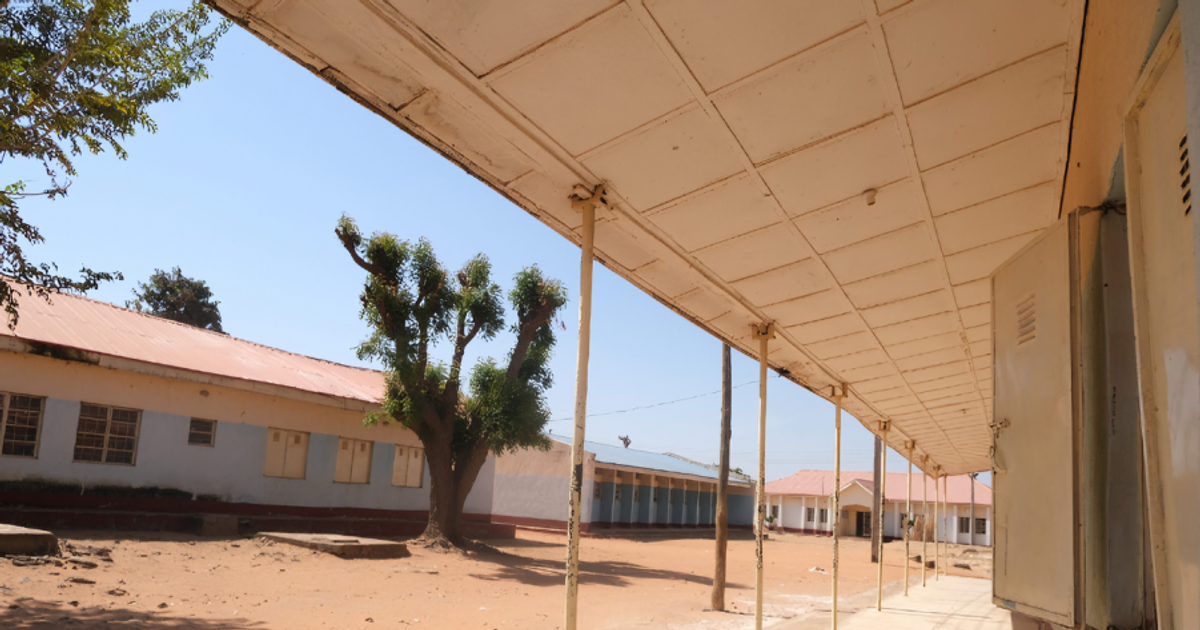
State governments in Edo, Niger, Kogi and Oyo have ordered the closure of several schools following intelligence on imminent bandit attacks and growing fears of mass abductions. The latest wave of shutdowns was implemented between June 4 and June 10, with parents in affected areas rushing to withdraw their children from classrooms after security advisories were issued.
In Edo State, three schools in the Edo North Senatorial District were closed on June 9 after the Department of State Services (DSS) arrested two suspected bandits accused of plotting to kidnap pupils. One suspect was reportedly caught conducting surveillance at Makeke Secondary School in Akoko-Edo Local Government Area. According to DSS reports, the suspects shifted focus to schoolchildren after previous ransom attempts targeting wealthy individuals yielded lower returns.
In Niger State, widespread panic gripped Minna on Wednesday following rumours that armed bandits on motorcycles were approaching the state capital. Parents abandoned workplaces to collect their children from school as early as 9 am, leading to empty classrooms across the city. A Catholic school principal confirmed that pupils fled at the first sign of trouble, reflecting heightened anxiety even when no actual attack occurred.
Similar scenes played out in Lokoja, Kogi State’s capital, where several schools dismissed students early on June 10 over fears of possible terrorist activity. In Oyo State, ongoing teacher strikes over insecurity have kept public primary and secondary schools shut for weeks—except for students sitting WAEC exams—further disrupting learning for thousands of pupils.
This trend is not new: data from the International Centre for Investigative Reporting indicates that at least 2,416 students have been abducted in 26 major school attacks nationwide since April 2014. Previous incidents have seen Jigawa and Kwara states order mass closures after intelligence flagged increased attack risks or when bandits began demanding ransoms up to ₦100 million per victim. Security experts warn that repeated school shutdowns may encourage criminal groups by demonstrating that threats alone can halt education across entire regions.
While governments maintain closures are a necessary precaution pending improved security patrols and intelligence sharing, some education stakeholders fear these measures undermine confidence in public schooling. Calls for long-term solutions—including better perimeter fencing, community policing, and rapid response teams—have grown louder as abductions creep southwards beyond traditional hotspots in the North-East.
The Ministry of Education in each affected state has advised parents to remain vigilant while efforts continue to strengthen campus security. As at press time, no major opposition party had issued a formal statement regarding the closures.
Source: https://www.pulse.ng/story/states-shutting-schools-kidnapping-threats-nigeria-2026061114130678326
Nigeria News (Standard)
House of Representatives Approves Bill for State Police Amid Security Concerns Nationwide
Lawmakers in Abuja pass legislation on June 11, sparking debate over state policing and Nigeria’s federal structure
Lawmakers in Abuja pass legislation on June 11, sparking debate over state policing and Nigeria’s federal structure
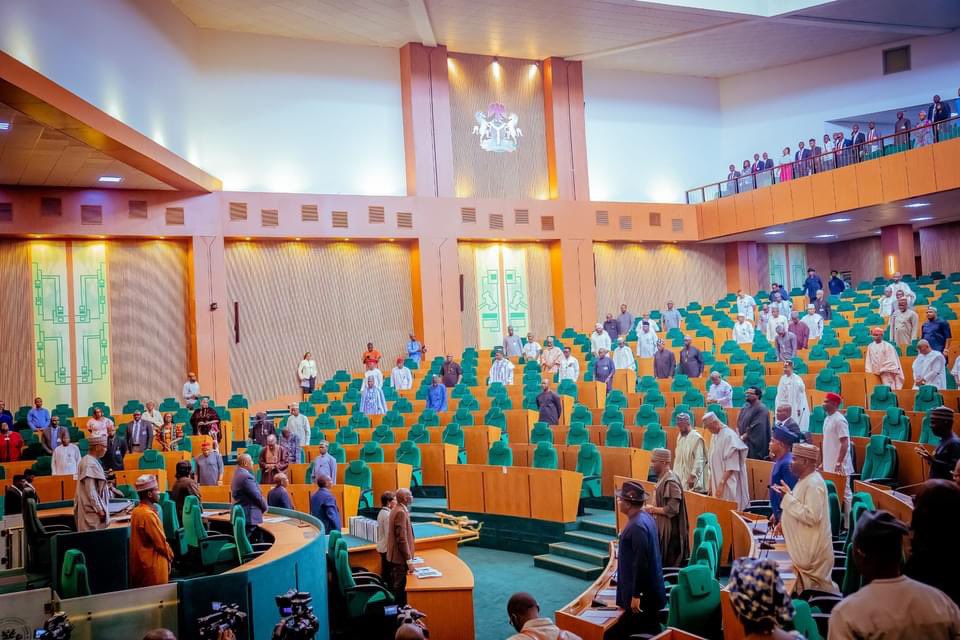
The House of Representatives on Thursday, 11 June, passed a bill seeking to establish state police across Nigeria, marking a significant shift in the country’s approach to tackling insecurity. The legislation, considered during plenary in Abuja, aims to devolve policing powers from the federal government to individual states for improved security management.
The bill was passed after extensive debate among lawmakers who highlighted rising insecurity in several regions and argued that centralised policing has struggled to contain kidnappings, banditry, and communal violence. While supporters said state police would enable faster response to local threats, some members expressed concerns about possible abuse by state governments and the risk of politicising security agencies.
State policing has long been a contentious topic in Nigeria’s political discourse. Proponents argue that decentralising the police will bring security closer to communities and foster accountability. Critics warn it could lead to fragmentation or misuse by powerful governors, especially given Nigeria’s history of politically motivated law enforcement.
As at press time, the bill awaits further consideration by the Senate before it can be forwarded for presidential assent. While no official statement was issued immediately after the vote, opposition lawmakers have called for clear guidelines to prevent human rights violations and ensure checks on state governors’ powers if the measure becomes law.
If signed into law, the new arrangement would mark a major constitutional change with far-reaching consequences for Nigeria’s federal system and ongoing efforts to address widespread insecurity.
Lagos Receives 268 Nigerians Evacuated From South Africa Over Xenophobic Attacks
Edo, Niger, Kogi and Oyo States Shut Schools Amid Fresh Kidnapping Threats
House of Representatives Approves Bill for State Police Amid Security Concerns Nationwide

From World Cup Disappointment to UEFA Spotlight — African Referee Omar Artan Gets Major European Assignment

Shakira and Burna Boy’s ‘Dai Dai’ Beats Davido’s ‘Hayya Hayya’ to Top World Cup Anthem Ranking
EFCC Chairman Olukoyede Reveals Governorship Aspirants Spend Up to ₦30bn on Elections Nationwide
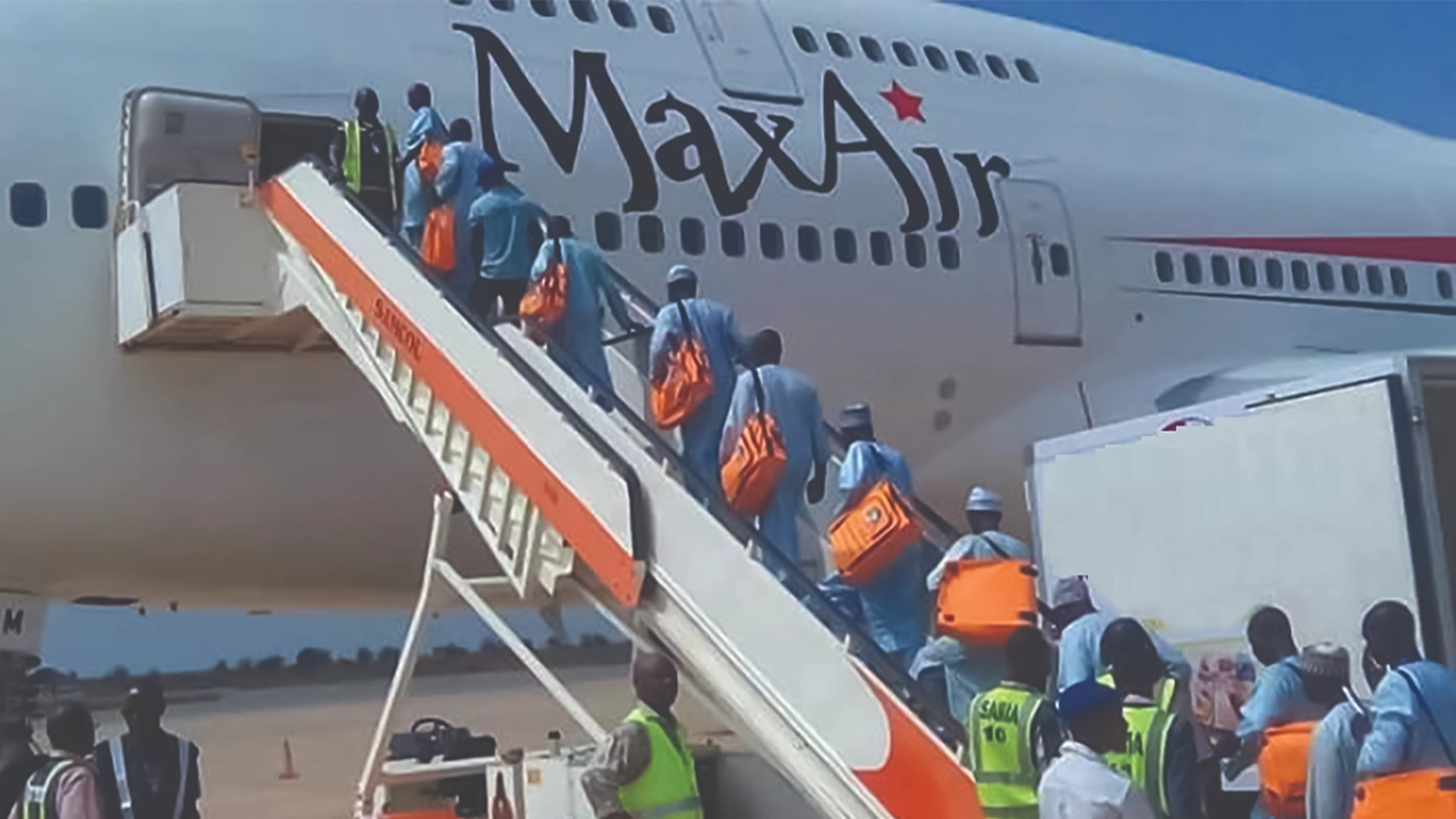
Aviation Ground Handlers Suspend Max Air Flights Nationwide Over ₦9bn Debt

Super Eagles Hold Steady at 26th as Argentina, Morocco Shine in Latest FIFA Rankings
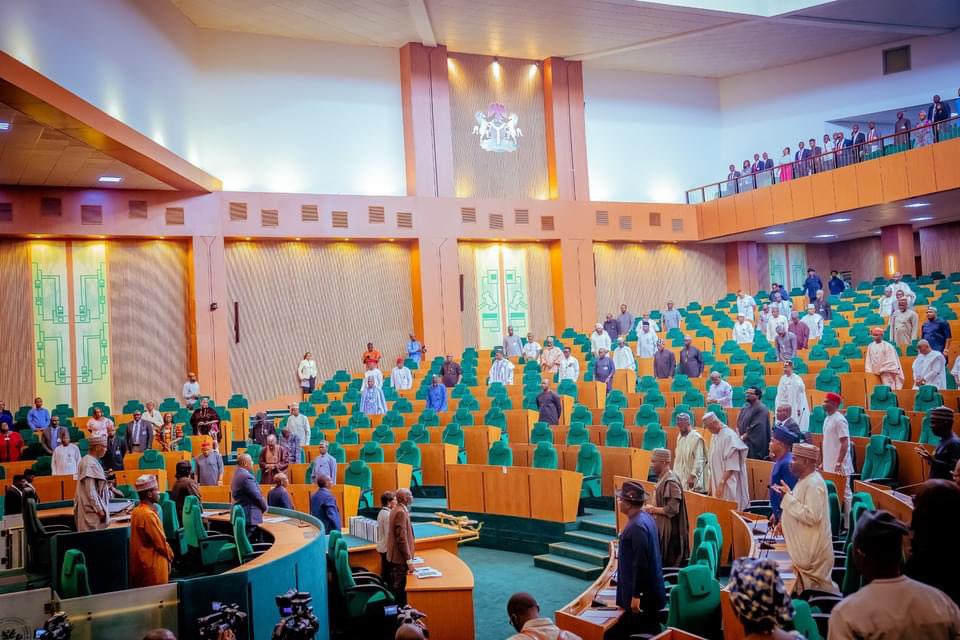
House of Representatives Passes State Police Bill in Landmark Abuja Session
Chinese Embassy, Federal Ministry Mark 55 Years of Nigeria-China Relations at Abuja Exhibition

Gọvanmenti Nigeria Kwupụtara 53 Orù Anyanwụ Maka Ike Ọhụrụ N’iru Afọ 2050

FG Launches $500m Abuja Formula 1 Bid, Targets Africa’s First Grand Prix Since 1993

Fresh Romance Rumours Trail Lando Norris as Alix Earle Sparks Drama in Monaco

Why More Nigerians Are Searching for Casino Bonuses—and What You Should Know Before Claiming

Moniepoint Graduates Second DreamDevs Cohort in Lagos to Strengthen Nigeria’s Engineering Workforce

Somali Referee Omar Artan Blocked From US World Cup Over Visa Row, Misses Dream Debut

Federal Government Launches Mining Grants for Research and Exploration Across Nigeria
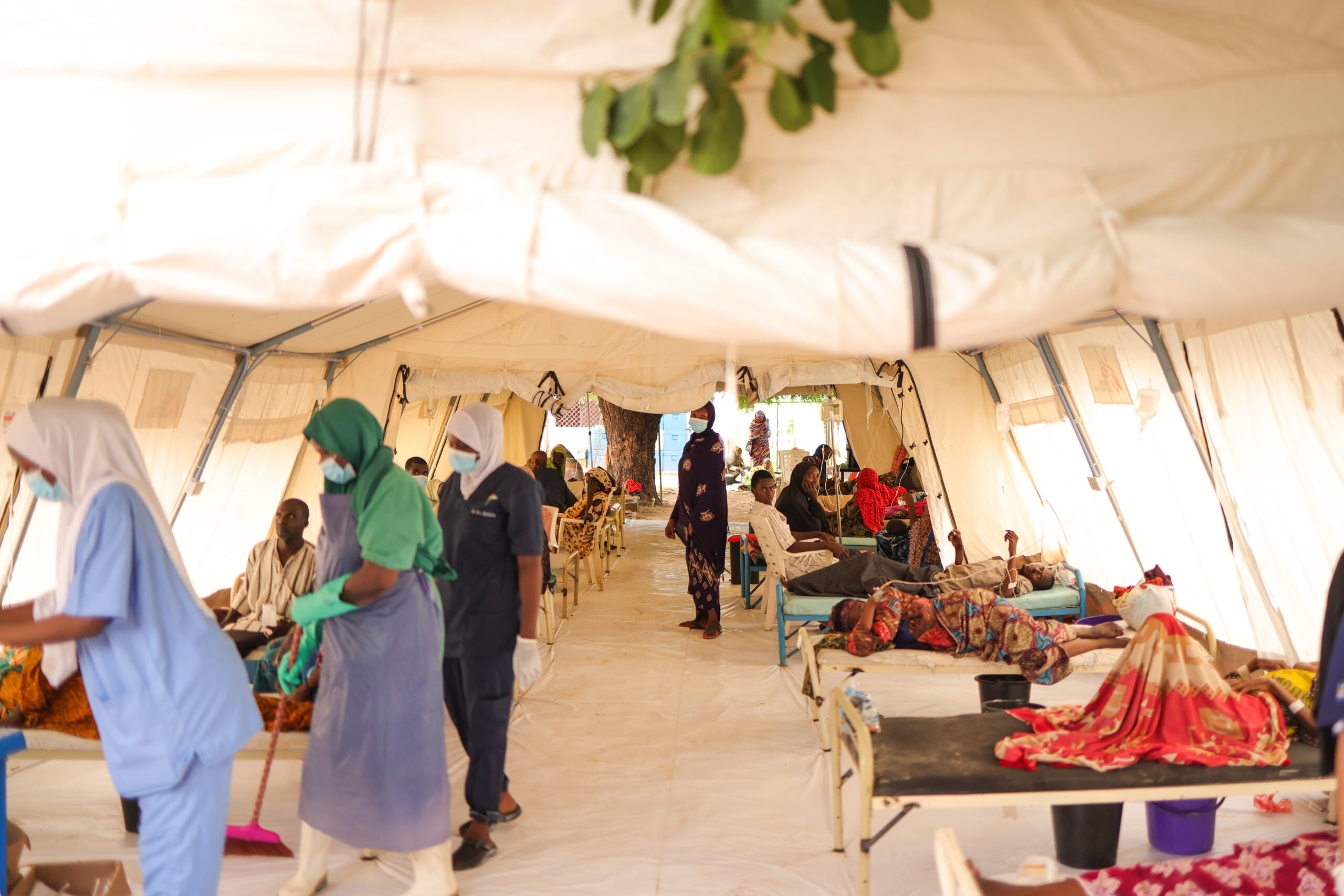
Borno State Records 74 Deaths as Cholera Outbreak Overwhelms Health Facilities

Ụlọ akụ Nigeria Welie Ogo Ego Naira Maka Ịkwụ Ụgwọ Mba Ọzọ N’ihi Ndokwa N’ahịa Ego Mpụga