Nigeria News (Standard)
Lagos’ Dangote Refinery Boosts Jet Fuel Exports as Russia Extends Ban to November 2026
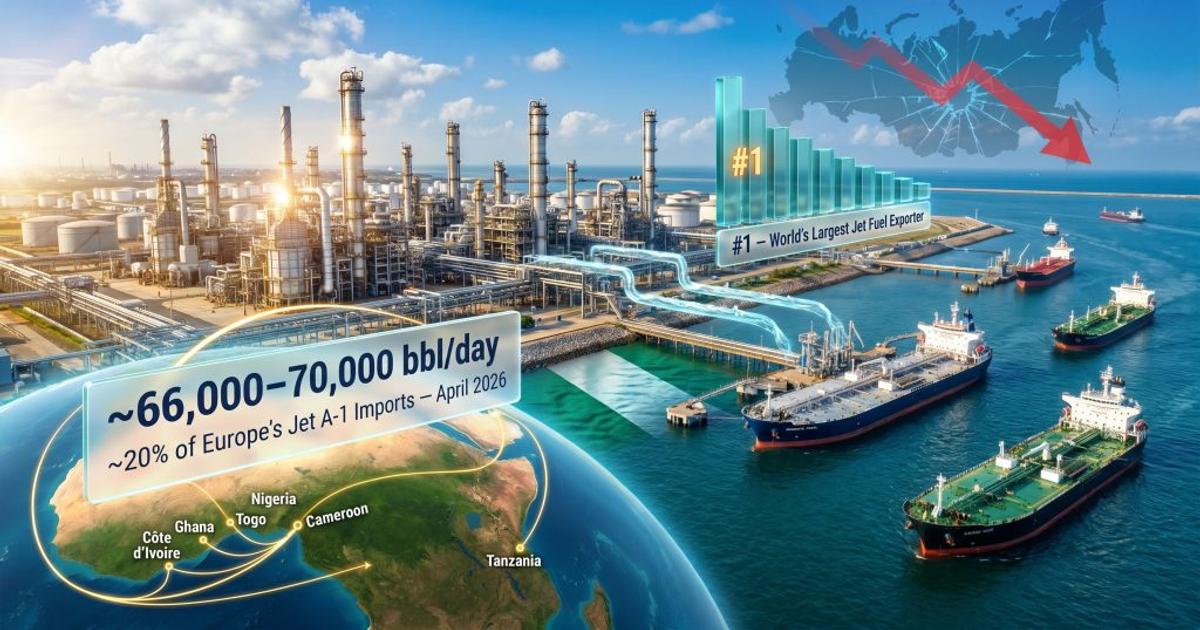
Refinery ships over 1.1 billion litres to Europe in two months, now meets 95% of Nigeria’s Jet A1 demand
Refinery ships over 1.1 billion litres to Europe in two months, now meets 95% of Nigeria’s Jet A1 demand
Dangote Petroleum Refinery in Lagos has rapidly increased its presence in the international aviation fuel market after Russia extended its jet fuel export ban until November 2026, a move that is tightening global supply and sending European buyers searching for new suppliers. The development was confirmed on Monday as Russia announced it would continue restricting jet fuel exports to protect domestic supplies amid ongoing attacks on its refining infrastructure.
The Russian government’s decision, which exempts only intergovernmental agreements and already-cleared cargoes, follows earlier controls on gasoline exports and comes at a time when air travel demand is rebounding worldwide. Industry analysts say although Russia is not among the leading global exporters of jet fuel, the ban adds to wider concerns over aviation fuel shortages caused by refinery disruptions and geopolitical tensions—factors now making alternative suppliers like Dangote Refinery more attractive.
Recent industry data shows Dangote Refinery exported about 1.1 billion litres of aviation fuel to Europe between March and April 2026 while also meeting more than 95 percent of Nigeria’s domestic Jet A1 needs. In April alone, shipments from the Lagos-based refinery reached around 615 million litres of aviation fuel as part of a total 1.66 billion litres of refined products exported that month, indicating strong international demand for Nigerian petroleum products.
According to market observers, major disruptions affecting established refining centres have elevated the role of new large-scale facilities such as Dangote Refinery in global supply chains. “The environment is supporting suppliers with significant export capacity and stable production,” one energy analyst noted, pointing out that European buyers are increasingly looking beyond traditional Middle Eastern sources due to uncertainties and supply bottlenecks.
As at now, Dangote Refinery is seen capitalising on these shifts—strengthening Nigeria’s position in the international oil and gas sector while stabilising local jet fuel availability. Stakeholders expect continued strong demand for Dangote’s exports as long as geopolitical tensions persist and established supply routes remain under pressure.
Nigeria News (Standard)
House of Representatives Votes on State Police Bill in Abuja
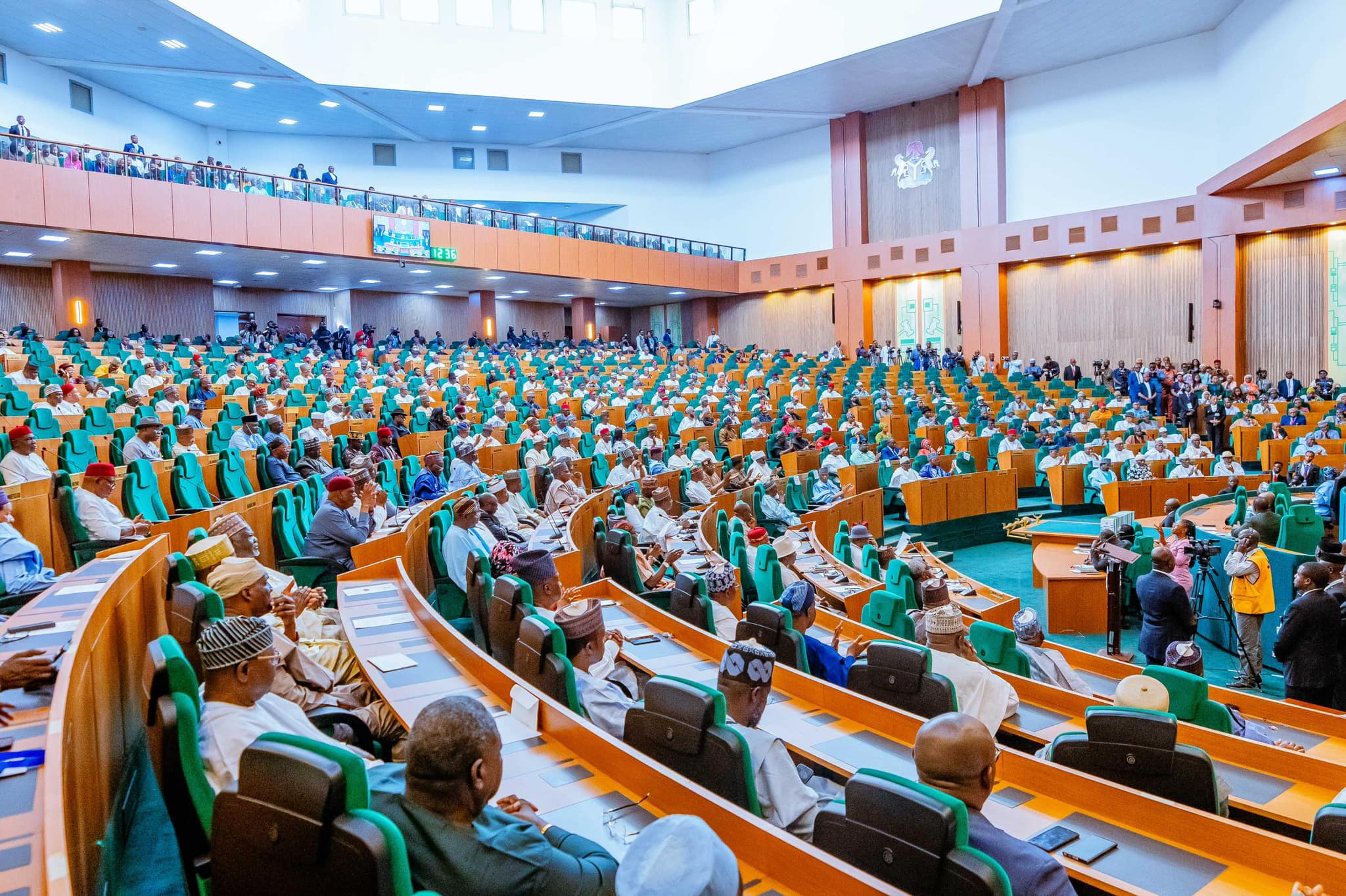
Lawmakers debate creation of state police amid security concerns; bill’s passage seen as landmark in Nigeria’s federal structure
Lawmakers debate creation of state police amid security concerns; bill’s passage seen as landmark in Nigeria’s federal structure
The House of Representatives on Thursday, 11 June 2026, held a decisive vote on a bill proposing the establishment of state police across Nigeria. The session took place at the National Assembly complex in Abuja, drawing intense debate among lawmakers over the merits and risks of decentralising police powers to the state level.
The plenary saw members from various political parties—including APC, PDP, LP, and NNPP—voice support and reservations as the bill was presented for consideration. Proponents argued that establishing state-controlled police would help address persistent insecurity and improve response times, especially in states battling rising crime rates and banditry. Opponents warned about possible misuse by state governments and the risk of politicising law enforcement.
Nigeria currently operates a centralised policing system, but calls for restructuring have grown louder in recent years following repeated attacks by armed men in several regions and complaints about inadequate federal police presence. Supporters say that state police could empower Governors and local authorities to act swiftly against security threats.
The outcome of Thursday’s vote was closely watched by civil society groups and security experts. Some lawmakers stressed the need for strong checks and balances to prevent abuse. “We must ensure that any new security arrangement protects all Nigerians equally,” one member stated during the floor debate.
If passed by both chambers of the National Assembly and approved by two-thirds of State Houses of Assembly—as required for constitutional amendments—the bill could fundamentally reshape Nigeria’s approach to policing. Analysts say implementation details, funding mechanisms, and oversight structures will be critical to its success or failure.
Nigeria News (Standard)
Ruth Kadiri Laments Soaring Food Prices in Lagos, Questions Impact on Ordinary Nigerians
Nollywood actress cites ₦5,000 spent on tomatoes as NBS data shows food inflation hits 16.06% in April 2026

Nollywood actress cites ₦5,000 spent on tomatoes as NBS data shows food inflation hits 16.06% in April 2026
Nollywood actress Ruth Kadiri has raised alarm over the rising cost of food in Lagos, saying on Monday that if someone like her is feeling the pinch, she fears for the plight of ordinary Nigerians. Kadiri made the remarks in a video posted online, highlighting that basic ingredients such as pepper and tomatoes now cost up to ₦5,000 per purchase.
Kadiri said she was troubled by how quickly prices have escalated and expressed concern about families struggling to cope. ‘Cost of tomatoes is so high. Somebody will use ₦5,000 to buy pepper and tomatoes. ₦5,000, while somebody else out there is probably earning ₦25,000, ₦40,000, ₦50,000,’ she stated. Her comments resonated widely among Nigerians online, with many saying she spoke for millions facing similar hardship.
Her public outcry comes amid new data from the National Bureau of Statistics (NBS), which reported that Nigeria’s inflation rate rose from 15.69% to 16.06% in April 2026—the highest since November 2025. The spike has been driven mainly by surging food costs, with key staples such as pepper, beef, yam flour and garri recording significant increases. The NBS Cost of Healthy Diet indicator now puts daily nutrition needs at a minimum of ₦1,513 per adult—a jump of 12.4% compared to last year.
Kadiri also spoke on the psychological toll of prolonged hardship. ‘Poverty—what poverty does to people’s minds is like cancer; it eats away,’ she said in her video message. She warned that frustration over living costs could spill over into family tensions and general anger in society.
The United Nations has projected that up to 35 million Nigerians risk facing severe food insecurity during the peak lean season in 2026. In some states such as Ekiti and Abia, households reportedly spend more than 87% of the minimum wage on food alone. Labour leaders have warned that rising prices are eroding workers’ purchasing power nationwide.
Kadiri concluded: ‘If somebody like me can start to feel the brunt of the heaviness of being a human being, I wonder what other people are going through.’ With inflation still climbing and no immediate relief in sight, stakeholders say urgent policy action will be needed to address worsening food affordability across Nigeria.
Source: https://www.pulse.ng/story/ruth-kadiri-rising-food-prices-nigeria-2026061111100952325
Nigeria News (Standard)
Brent Crude Surges Above $93 as Trump Threatens Iran Strike, Fuel Prices Set to Rise in Lagos
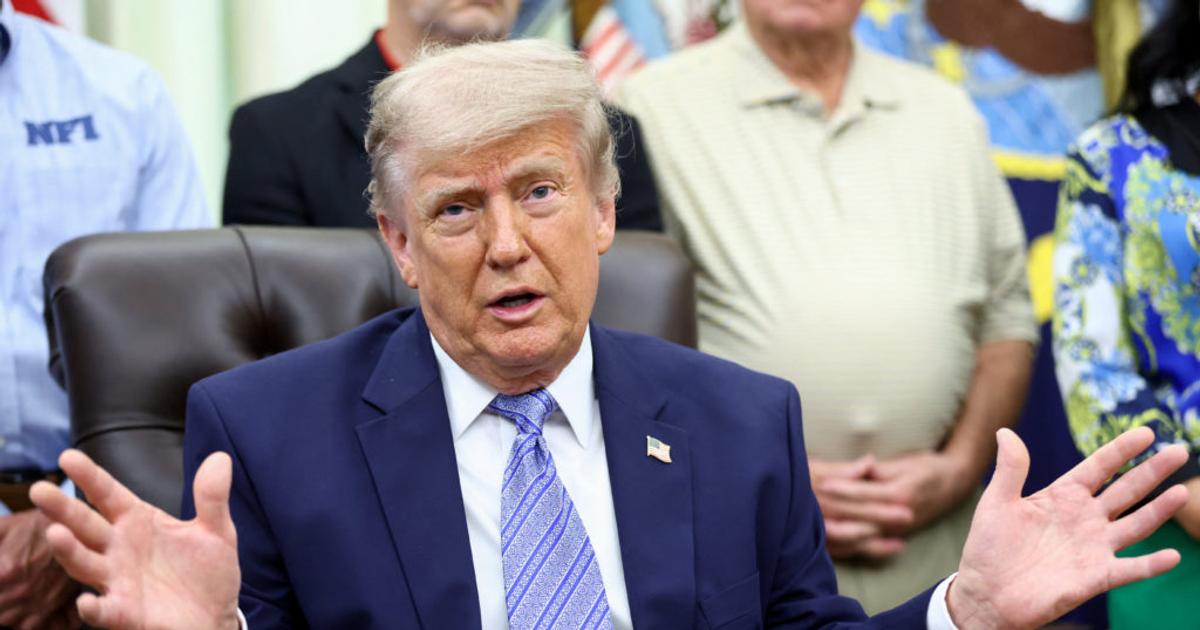
Global oil markets react to US-Iran standoff after closure of Strait of Hormuz, raising concerns over inflation in Nigeria
Global oil markets react to US-Iran standoff after closure of Strait of Hormuz, raising concerns over inflation in Nigeria
Brent crude oil prices climbed past $93 per barrel on Tuesday in Lagos following heightened tensions between the United States and Iran, with experts warning of imminent increases in petrol landing costs and inflation across Nigeria. The development comes after US President Donald Trump, ahead of his 80th birthday on June 14, issued a stern ultimatum to Iranian leaders amid an escalating military confrontation.
The diplomatic standoff escalated sharply after Iran announced the total closure of the Strait of Hormuz—a critical maritime passage for global energy shipments—following the downing of an American military helicopter. In response, President Trump told Fox News during a phone interview that unless Iranian authorities sign a new agreement immediately, “We’ll bomb the shit out of them tomorrow night.” The US had earlier launched 49 Tomahawk missiles targeting Iranian radar and air defence sites near the Persian Gulf.
Analysts say that any disruption to traffic through the Strait of Hormuz could have significant consequences for Nigeria’s economy, given that one-fifth of global petroleum passes through this channel daily. The Nigerian National Petroleum Company Limited (NNPC Ltd) has repeatedly warned that spikes in international crude prices and supply disruptions directly affect fuel import costs and naira stability, with previous crises leading to sharp increases at filling stations nationwide.
Reacting to developments, senior Iranian officials reportedly reached out to the White House requesting a halt to further attacks as diplomatic talks remained inconclusive. While government sources in Abuja declined immediate comment on contingency plans for fuel imports, industry stakeholders have raised concerns over possible shortages and further upward pressure on consumer prices if the conflict persists. “Any escalation in the Middle East will hit Nigeria’s economy through higher petrol prices and exchange rate volatility,” an oil sector analyst said.
As at Tuesday evening, energy traders in Lagos and Port Harcourt were already factoring higher freight and insurance costs into their pricing models. Experts say Nigerians should brace for possible hikes in pump prices if hostilities continue or oil shipments remain stranded at sea. Meanwhile, opposition leaders have called on government to strengthen domestic refining capacity as a long-term buffer against external shocks linked to global geopolitical risks.
House of Representatives Votes on State Police Bill in Abuja
Ruth Kadiri Laments Soaring Food Prices in Lagos, Questions Impact on Ordinary Nigerians
Brent Crude Surges Above $93 as Trump Threatens Iran Strike, Fuel Prices Set to Rise in Lagos

Kogi Bandit Attack Forces School Closures in North-Central, Three Killed in Kabba-Bunu LGA
Lagos SMEs Embrace Oloja Platform as Over 37 Million Businesses Seek Digital Upgrade
Sandstorm Disrupts Activities in Birnin Kebbi as Residents Seek Shelter

Aviation Minister Keyamo Flags Delta Road Aircraft Landing as Security Breach, Vows Sanctions

Actor Ugo Nwokolo Launches Free Digital Platform, Urges Practical Life Skills for Young Nigerians
First Batch of Nigerians Evacuated from South Africa Arrives in Lagos
Lagos State Begins Phase Two Expansion of Lekki Port as Cargo Volumes Surge
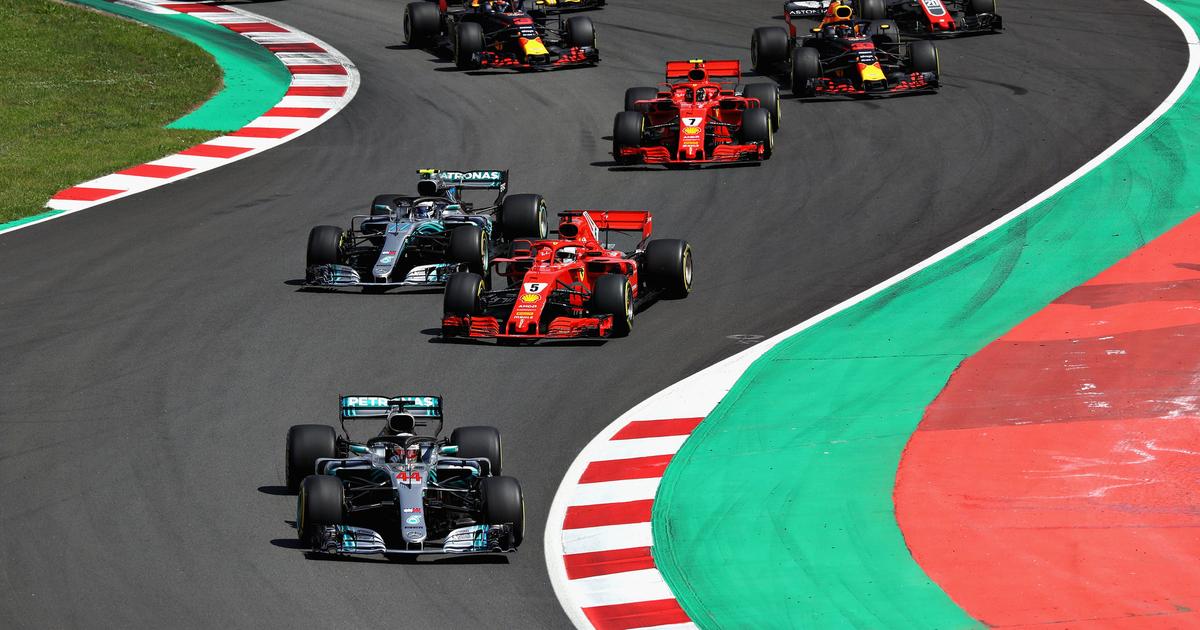
FG Launches $500m Abuja Formula 1 Bid, Targets Africa’s First Grand Prix Since 1993

Gọvanmenti Nigeria Kwupụtara 53 Orù Anyanwụ Maka Ike Ọhụrụ N’iru Afọ 2050

Why More Nigerians Are Searching for Casino Bonuses—and What You Should Know Before Claiming

Fresh Romance Rumours Trail Lando Norris as Alix Earle Sparks Drama in Monaco

Moniepoint Graduates Second DreamDevs Cohort in Lagos to Strengthen Nigeria’s Engineering Workforce

Somali Referee Omar Artan Blocked From US World Cup Over Visa Row, Misses Dream Debut
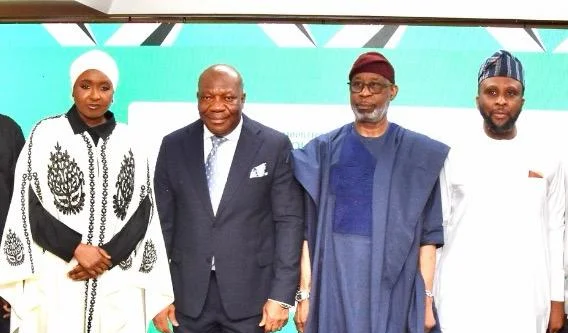
Federal Government Launches Mining Grants for Research and Exploration Across Nigeria
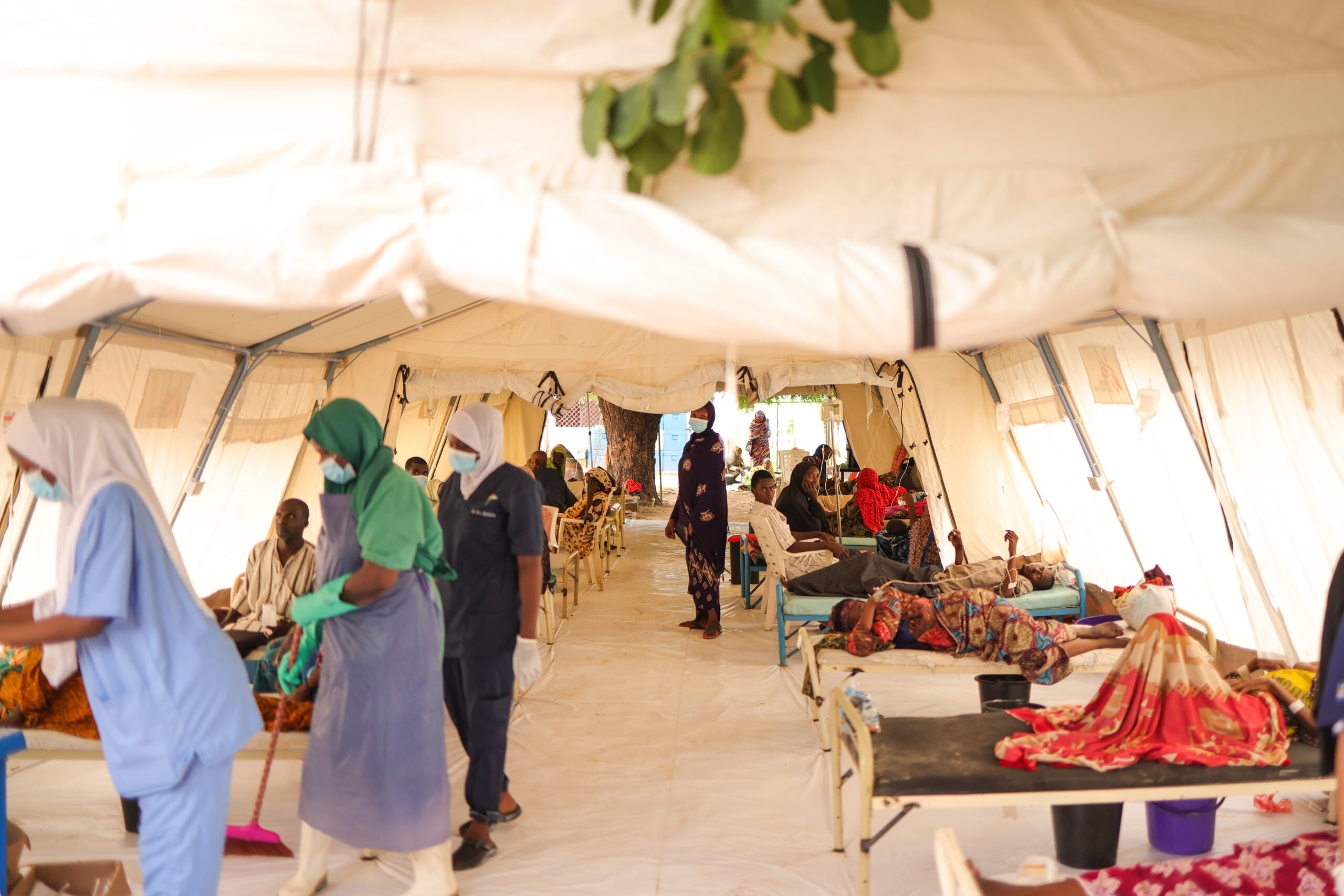
Borno State Records 74 Deaths as Cholera Outbreak Overwhelms Health Facilities
Ụlọ akụ Nigeria Welie Ogo Ego Naira Maka Ịkwụ Ụgwọ Mba Ọzọ N’ihi Ndokwa N’ahịa Ego Mpụga