Nigeria News (Standard)
Sanwo-Olu Presents Hamzat, Sonayon-James as APC Lagos Governorship Ticket for 2027
Governor unveils current deputy and new running mate, signaling party’s strategy ahead of next Lagos election

Governor unveils current deputy and new running mate, signaling party’s strategy ahead of next Lagos election
Governor Babajide Sanwo-Olu on Thursday in Lagos introduced his current deputy, Obafemi Hamzat, alongside Sonayon-James as the All Progressives Congress (APC) joint ticket for the state’s 2027 governorship election. The announcement was made during a gathering of party stakeholders in Lagos.
According to details shared at the event, Governor Sanwo-Olu formally presented Dr. Hamzat and Mrs. Sonayon-James to APC leaders and supporters as the preferred flagbearers for the next election cycle. The move is seen as part of APC’s early preparations to maintain its hold on Nigeria’s commercial capital.
Lagos State has remained under APC control since Nigeria’s return to democracy in 1999. Political observers say that by confirming his deputy and introducing a fresh face like Sonayon-James, Sanwo-Olu is positioning the party to address both continuity and demands for broader representation within Lagos politics.
The formal presentation was attended by top APC officials in Lagos State. However, opposition parties are yet to react officially to the unveiling of the APC ticket. Party members at the event expressed confidence that the duo will deliver victory for APC in 2027.
With this early declaration, political activities are expected to intensify as other parties strategise ahead of the governorship poll. Stakeholders are watching closely to see how APC’s choice will shape alliances and opposition tactics in coming months.
Nigeria News (Standard)
EFCC, INEC Seal Partnership to Tackle Vote Buying in Abuja Ahead of 2027 Elections
Agencies vow to enforce campaign finance laws and curb electoral fraud amid concerns over high spending by aspirants
Agencies vow to enforce campaign finance laws and curb electoral fraud amid concerns over high spending by aspirants
The Economic and Financial Crimes Commission (EFCC) and the Independent National Electoral Commission (INEC) have agreed to intensify collaboration in Abuja as part of preparations for the 2027 general elections. The decision, reached during a meeting between top officials on Tuesday, aims to address rising cases of vote buying, electoral fraud, and violations of campaign finance regulations across Nigeria.
Discussions between both agencies focused on strengthening investigations and enforcement actions against individuals and groups suspected of manipulating election outcomes through illicit financial activities. The move comes as Nigeria faces persistent challenges with vote buying and campaign finance abuses, issues observers say have eroded public confidence in the country’s electoral process.
According to statements from EFCC and INEC, the partnership will prioritise intelligence sharing, coordinated enforcement, and closer monitoring of political campaign spending. Both agencies cited recent revelations by EFCC Chairman Ola Olukoyede that some governorship aspirants spent between ₦20 billion and ₦30 billion to contest elections, warning that unchecked spending fuels corruption and undermines democracy. INEC Chairman Joash Amupitan reiterated the need for strict enforcement of electoral laws, noting that credible polls depend on transparent processes free from undue influence.
Civil society groups have repeatedly raised alarm about the growing influence of money in Nigerian politics, urging regulatory agencies to take concrete action ahead of future polls. The EFCC said its focus would include tracking suspicious financial flows before, during, and after the elections, while INEC pledged full support for investigations into alleged violations by candidates or parties.
With political activities already picking up pace nationwide ahead of 2027, stakeholders will be watching closely to see how this partnership translates into real improvements. Both commissions say their goal is to deliver violence-free, credible elections that reflect the true will of Nigerian voters.
Nigeria News (Standard)
House of Representatives Passes Bill to Establish State Police Nationwide
Legislation advances amid rising insecurity; bill requires Senate concurrence and presidential assent for final approval
Legislation advances amid rising insecurity; bill requires Senate concurrence and presidential assent for final approval
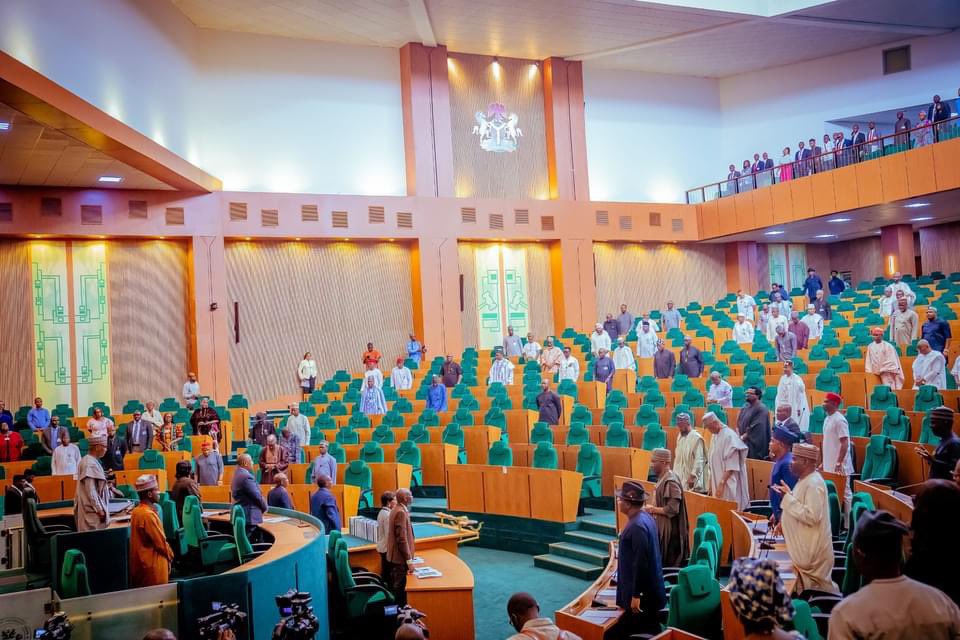
The House of Representatives on Thursday passed a bill seeking to establish state police across Nigeria, marking a significant step towards decentralising the country’s policing structure. The session, which took place at the National Assembly complex in Abuja, saw lawmakers vote in favour of the proposal following a heated debate on the measure’s potential impact on national security.
The bill, which aims to amend existing constitutional provisions, was adopted after a clause-by-clause consideration during plenary. Lawmakers supporting the move argued that state-controlled police forces would help address growing security challenges at the grassroots level by enabling state governments to respond more swiftly to local threats. Opponents, however, expressed concern over possible abuse by state governors and called for safeguards against political interference.
Calls for state police have intensified recently as insecurity persists in several parts of Nigeria, particularly with frequent reports of kidnappings and armed attacks in the North-West and South-East zones. Supporters say giving states authority over their own police formations could improve response times and accountability, while critics worry about fragmentation and the risk of human rights violations if not properly regulated.
The Speaker of the House said after the vote that “the House has listened to Nigerians’ demands for improved security and taken action,” noting that further consultations would be held with stakeholders as the legislative process continues. The bill now awaits concurrence from the Senate before it can be transmitted to President Bola Tinubu for assent.
If signed into law, this measure will mark a major shift in Nigeria’s policing framework, ending decades of exclusive federal control. Observers say implementation details — such as recruitment standards and operational oversight — will be critical in determining whether state police achieve their intended objectives.
Nigeria News (Standard)
Senate Disowns Arrest Warrant for Ex-NNPC Boss Kyari, Rebukes Oshiomhole Over ₦210trn Probe Comments
Red Chamber clarifies only Senate President can authorise warrants, distances itself from Oshiomhole’s remarks against NNPCL
Red Chamber clarifies only Senate President can authorise warrants, distances itself from Oshiomhole’s remarks against NNPCL
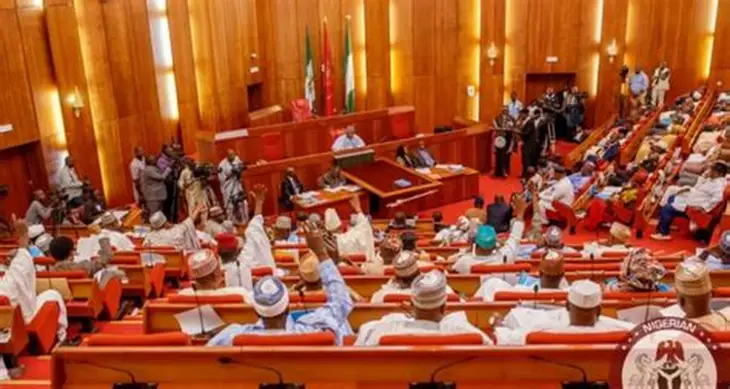
The Senate in Abuja on Thursday firmly dissociated itself from a reported warrant of arrest against former Nigerian National Petroleum Company Limited (NNPCL) Group Chief Executive Officer Mele Kyari and rebuked comments by Senator Adams Oshiomhole (APC, Edo North), who had described the company as “a bunch of criminals and thieves”. The clarification came less than a day after the Senate Committee on Public Accounts allegedly recommended Kyari’s arrest for failing to appear before the committee investigating a ₦210 trillion matter.
During plenary, Senate Leader Opeyemi Bamidele (APC, Ekiti Central) moved a motion stressing that no committee has power to issue or enforce any warrant of arrest without strict adherence to the Legislative Houses (Powers and Privileges) Act and express approval of the Senate President. Bamidele warned that any attempt by a committee to act independently in this regard would amount to an unlawful exercise of power.
The probe into NNPCL’s financial activities has drawn significant attention from both lawmakers and the public, with concerns about transparency in the oil and gas sector amid Nigeria’s revenue challenges. The Senate’s move to clarify its position comes at a time when oversight functions are under scrutiny and public trust in institutions remains fragile.
“The power to issue a warrant affecting the liberty of a citizen is an extraordinary statutory power which must be exercised strictly in accordance with the procedure prescribed by law,” Bamidele said on the floor. He added that fair hearing and presumption of innocence require that no person or institution should be adjudged guilty except by a court after due process. The Senate also resolved that statements such as those made by Oshiomhole could be misinterpreted as representing the official position of the chamber, thereby undermining confidence in ongoing legislative oversight.
Deputy Senate President Barau Jibrin (APC, Kano North) backed Bamidele’s motion, and the Red Chamber adopted a resolution formally distancing itself from both the arrest warrant recommendation and Oshiomhole’s comments. The Senate reiterated its commitment to upholding due process and ensuring impartiality as it continues its investigation into financial matters involving NNPCL.
EFCC, INEC Seal Partnership to Tackle Vote Buying in Abuja Ahead of 2027 Elections

Visa Blow for Ivory Coast Fans as US Bars Entry Ahead of World Cup Opener in Philadelphia
House of Representatives Passes Bill to Establish State Police Nationwide
Senate Disowns Arrest Warrant for Ex-NNPC Boss Kyari, Rebukes Oshiomhole Over ₦210trn Probe Comments
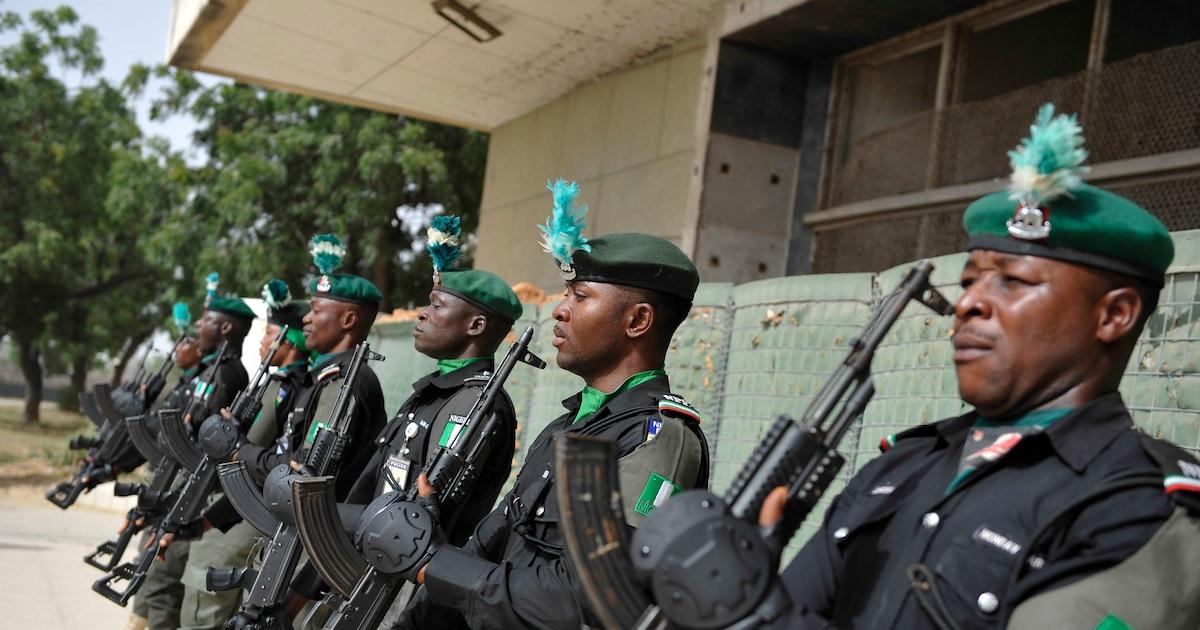
House of Reps Approves State Police Bill with 289 Votes, Amends Constitution for Decentralised Policing
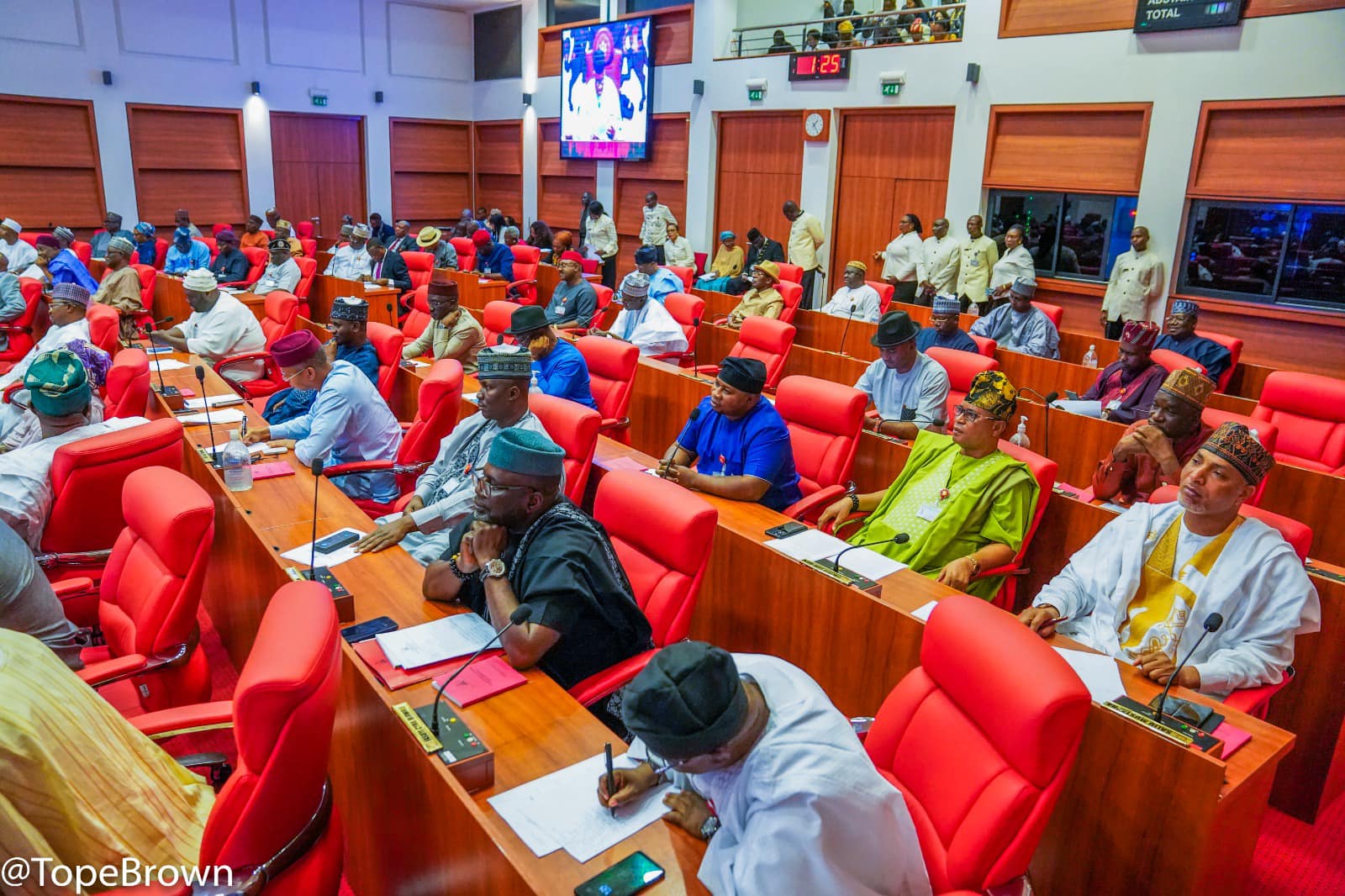
Senate Withdraws Arrest Threat Against Ex-NNPC MD Kyari Over ‘Missing’ ₦210trn Oil Revenue
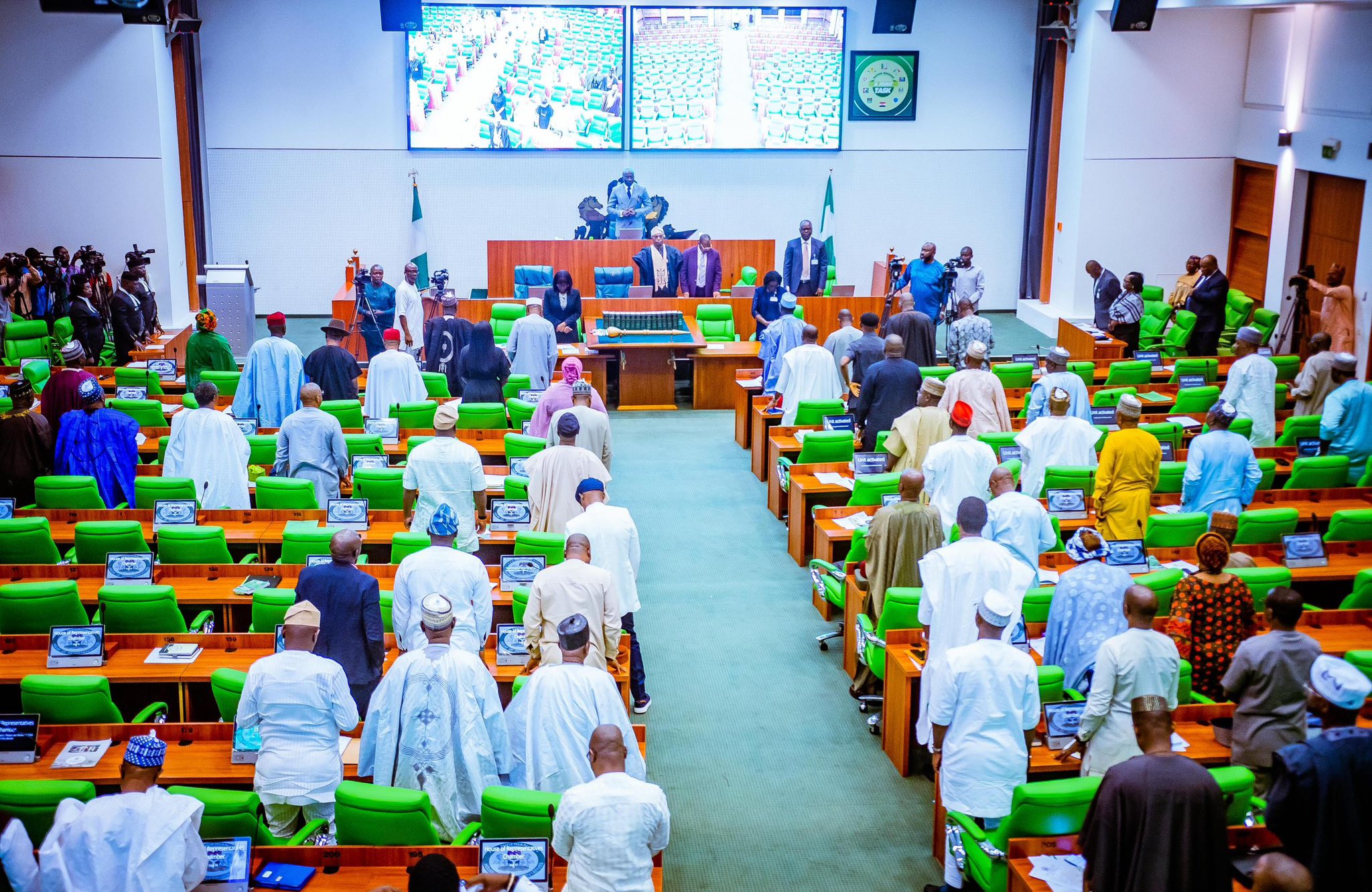
Ụlọ Nnọchi Anya Kwupụtara Mmezi Iwu Ala Maka Ịmalite Ụlọ Ọrụ Ndị Uweojii Steeti

LeagueBook Kwupụtara Njikọ Ahịa Ngwaahịa Maka Ndị Na-akwado Egwuregwu
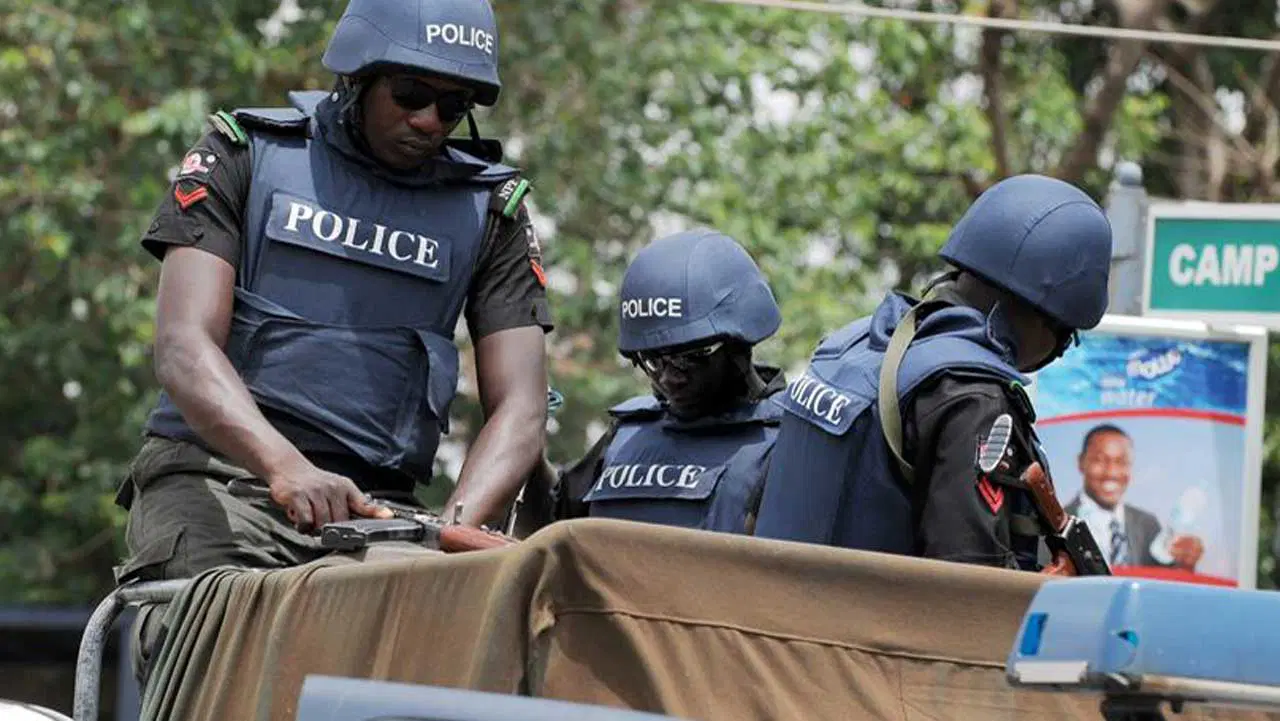
Nigeria Police Launches 24/7 School Emergency Response Centre Amid Surge in Student Abductions

Chelsea Set for Blockbuster FA Cup Fifth Round as Manchester City Await at Stamford Bridge

Gọvanmenti Nigeria Kwupụtara 53 Orù Anyanwụ Maka Ike Ọhụrụ N’iru Afọ 2050
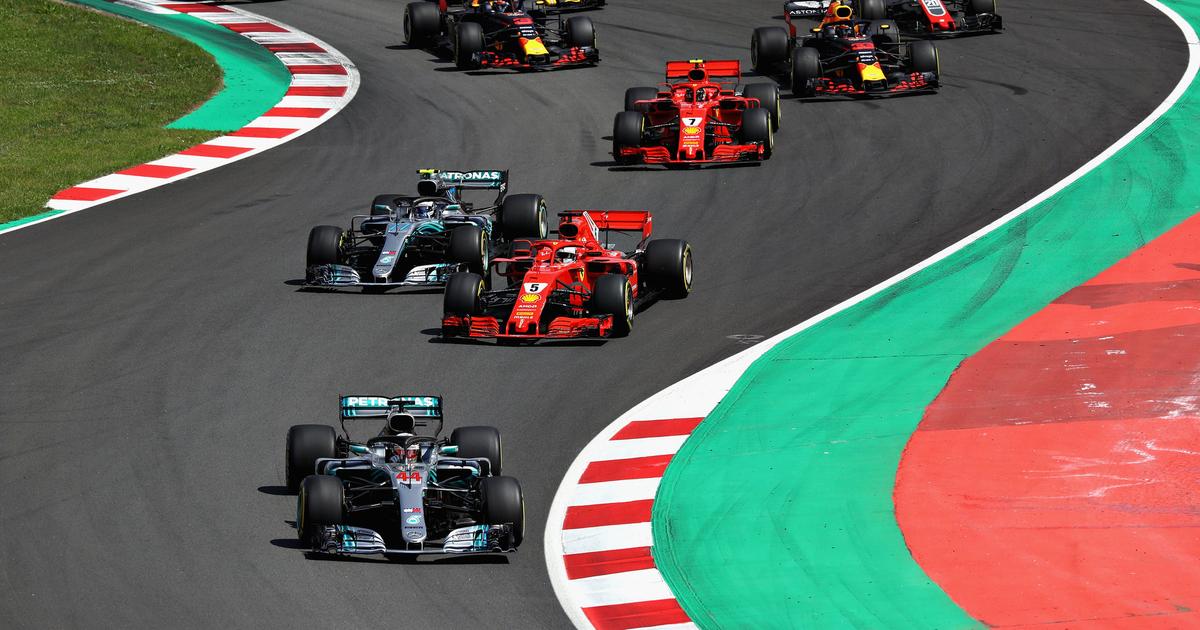
FG Launches $500m Abuja Formula 1 Bid, Targets Africa’s First Grand Prix Since 1993

Why More Nigerians Are Searching for Casino Bonuses—and What You Should Know Before Claiming

Fresh Romance Rumours Trail Lando Norris as Alix Earle Sparks Drama in Monaco

Moniepoint Graduates Second DreamDevs Cohort in Lagos to Strengthen Nigeria’s Engineering Workforce
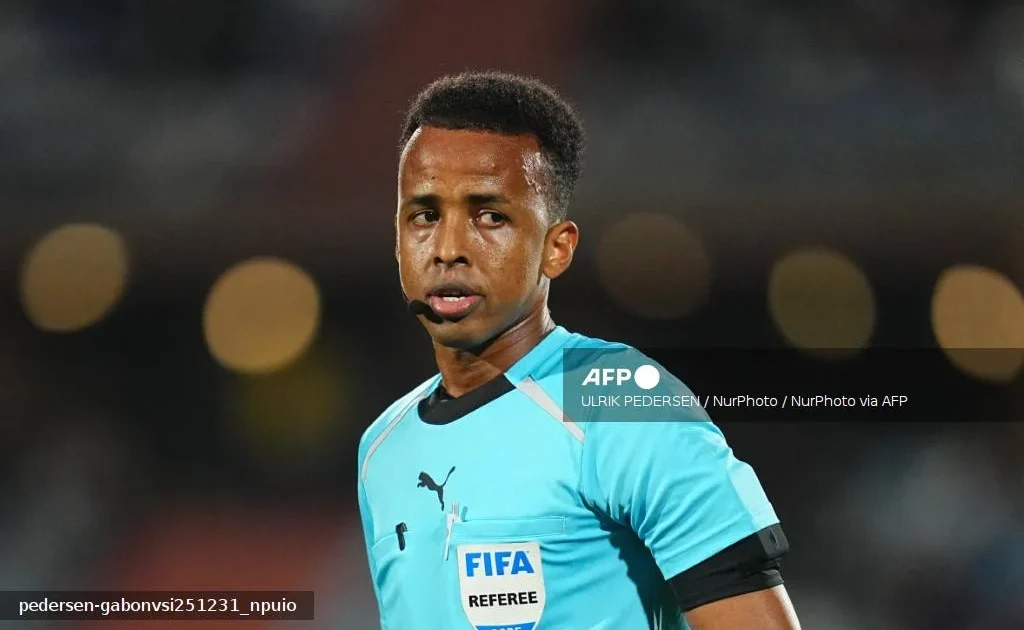
Somali Referee Omar Artan Blocked From US World Cup Over Visa Row, Misses Dream Debut
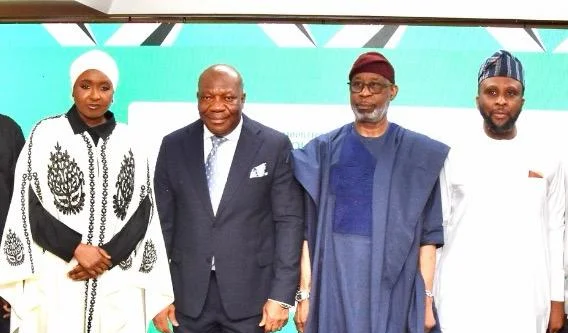
Federal Government Launches Mining Grants for Research and Exploration Across Nigeria
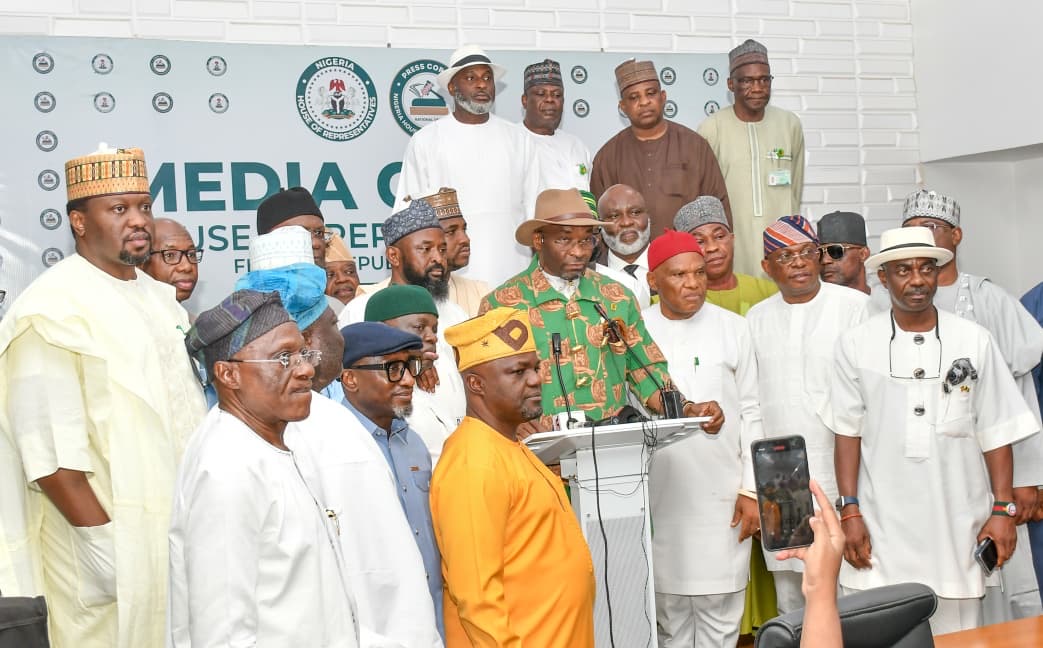
House of Representatives Sets Thursday Vote on State Police Proposal

Borno State Records 74 Deaths as Cholera Outbreak Overwhelms Health Facilities