
Nigeria News (Standard)
Rivers: Road Accident Claims Lives of Two WAEC Candidates, Okada Rider in Port Harcourt
Students returning from Odoha Community Secondary School after WAEC exams killed as motorcycle collides with truck near Choba Bridge

Students returning from Odoha Community Secondary School after WAEC exams killed as motorcycle collides with truck near Choba Bridge
A fatal accident along Choba Bridge on the East–West Road in Port Harcourt, Rivers State, claimed the lives of two female students writing the ongoing West African Senior School Certificate Examination (WASSCE) and a commercial motorcyclist on Wednesday. The incident occurred as the students were returning home from their examination centre at Odoha Community Secondary School in Emohua Local Government Area.
Eyewitnesses reported that the students boarded motorcycles after their exam session and were heading home when their bike collided with a moving truck on the busy stretch of road. All three victims—the Okada rider and two schoolgirls—were confirmed dead at the scene. The tragic event has thrown the local community into mourning, especially as it involved students who had just concluded a crucial examination.
The West African Examinations Council (WAEC) is currently conducting its annual WASSCE nationwide, a period often marked by increased travel for candidates between their homes and designated exam centres. The loss of these students highlights ongoing safety concerns on major roads in Rivers State and across Nigeria, particularly for young people relying on commercial motorcycles for transportation.
Authorities in Rivers State are yet to issue an official statement regarding the crash as at press time. Efforts to reach representatives of WAEC for comment were unsuccessful. Road safety advocates have repeatedly called for stricter enforcement of traffic regulations and improved road infrastructure around educational institutions to prevent such tragedies.
Community leaders and parents are urging government to take urgent action to enhance road safety near schools, especially during national examinations. Stakeholders emphasise that safeguarding the lives of students must remain a priority as thousands continue to participate in WASSCE across the country.
Nigeria News (Standard)
House of Representatives Passes Bill to Establish State Police Nationwide
Legislation advances amid rising insecurity; bill requires Senate concurrence and presidential assent for final approval
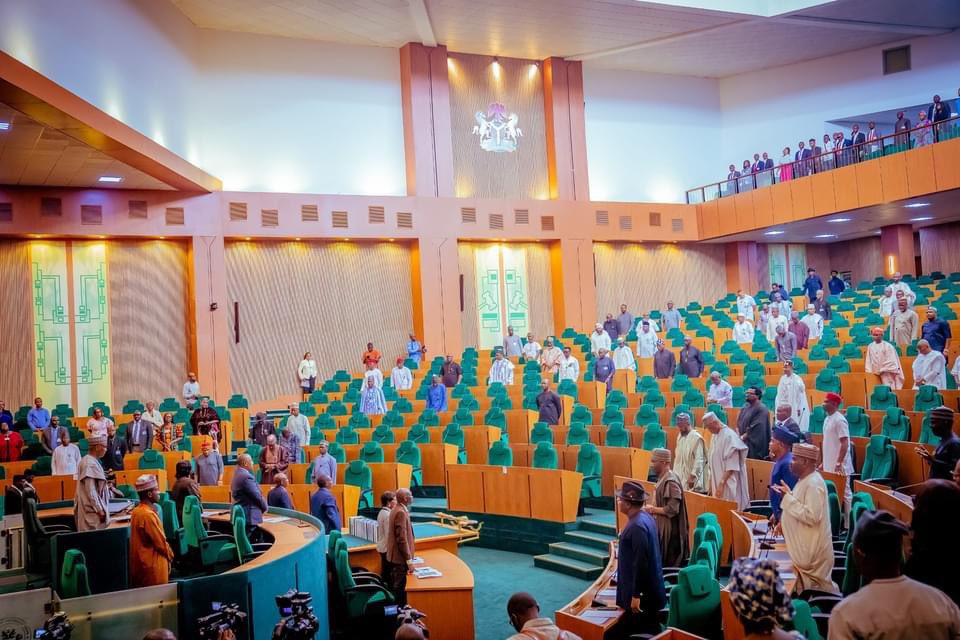
Legislation advances amid rising insecurity; bill requires Senate concurrence and presidential assent for final approval
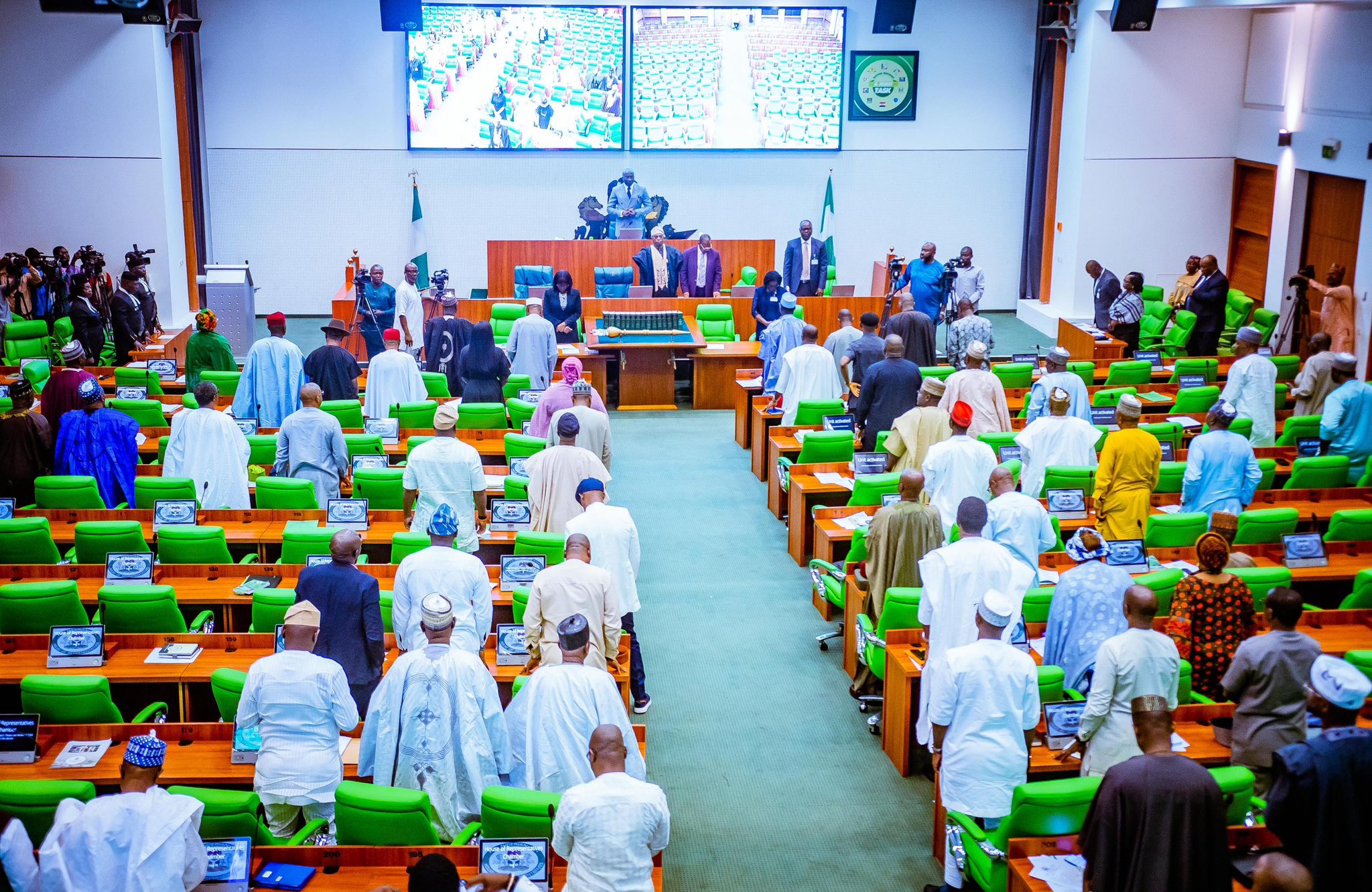
The House of Representatives on Thursday passed a bill seeking to establish state police across Nigeria, marking a significant step towards decentralising the country’s policing structure. The session, which took place at the National Assembly complex in Abuja, saw lawmakers vote in favour of the proposal following a heated debate on the measure’s potential impact on national security.
The bill, which aims to amend existing constitutional provisions, was adopted after a clause-by-clause consideration during plenary. Lawmakers supporting the move argued that state-controlled police forces would help address growing security challenges at the grassroots level by enabling state governments to respond more swiftly to local threats. Opponents, however, expressed concern over possible abuse by state governors and called for safeguards against political interference.
Calls for state police have intensified recently as insecurity persists in several parts of Nigeria, particularly with frequent reports of kidnappings and armed attacks in the North-West and South-East zones. Supporters say giving states authority over their own police formations could improve response times and accountability, while critics worry about fragmentation and the risk of human rights violations if not properly regulated.
The Speaker of the House said after the vote that “the House has listened to Nigerians’ demands for improved security and taken action,” noting that further consultations would be held with stakeholders as the legislative process continues. The bill now awaits concurrence from the Senate before it can be transmitted to President Bola Tinubu for assent.
If signed into law, this measure will mark a major shift in Nigeria’s policing framework, ending decades of exclusive federal control. Observers say implementation details — such as recruitment standards and operational oversight — will be critical in determining whether state police achieve their intended objectives.
Nigeria News (Standard)
Senate Disowns Arrest Warrant for Ex-NNPC Boss Kyari, Rebukes Oshiomhole Over ₦210trn Probe Comments
Red Chamber clarifies only Senate President can authorise warrants, distances itself from Oshiomhole’s remarks against NNPCL
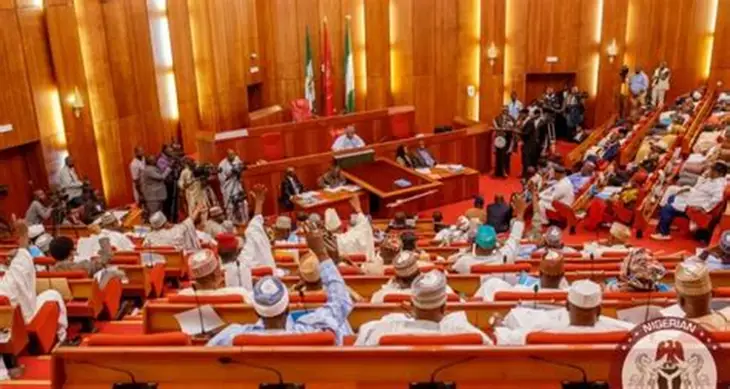
Red Chamber clarifies only Senate President can authorise warrants, distances itself from Oshiomhole’s remarks against NNPCL
The Senate in Abuja on Thursday firmly dissociated itself from a reported warrant of arrest against former Nigerian National Petroleum Company Limited (NNPCL) Group Chief Executive Officer Mele Kyari and rebuked comments by Senator Adams Oshiomhole (APC, Edo North), who had described the company as “a bunch of criminals and thieves”. The clarification came less than a day after the Senate Committee on Public Accounts allegedly recommended Kyari’s arrest for failing to appear before the committee investigating a ₦210 trillion matter.
During plenary, Senate Leader Opeyemi Bamidele (APC, Ekiti Central) moved a motion stressing that no committee has power to issue or enforce any warrant of arrest without strict adherence to the Legislative Houses (Powers and Privileges) Act and express approval of the Senate President. Bamidele warned that any attempt by a committee to act independently in this regard would amount to an unlawful exercise of power.
The probe into NNPCL’s financial activities has drawn significant attention from both lawmakers and the public, with concerns about transparency in the oil and gas sector amid Nigeria’s revenue challenges. The Senate’s move to clarify its position comes at a time when oversight functions are under scrutiny and public trust in institutions remains fragile.
“The power to issue a warrant affecting the liberty of a citizen is an extraordinary statutory power which must be exercised strictly in accordance with the procedure prescribed by law,” Bamidele said on the floor. He added that fair hearing and presumption of innocence require that no person or institution should be adjudged guilty except by a court after due process. The Senate also resolved that statements such as those made by Oshiomhole could be misinterpreted as representing the official position of the chamber, thereby undermining confidence in ongoing legislative oversight.
Deputy Senate President Barau Jibrin (APC, Kano North) backed Bamidele’s motion, and the Red Chamber adopted a resolution formally distancing itself from both the arrest warrant recommendation and Oshiomhole’s comments. The Senate reiterated its commitment to upholding due process and ensuring impartiality as it continues its investigation into financial matters involving NNPCL.
Nigeria News (Standard)
House of Reps Approves State Police Bill with 289 Votes, Amends Constitution for Decentralised Policing
New law mandates states to meet strict guidelines before launching police forces, marking historic shift in Nigeria’s security structure
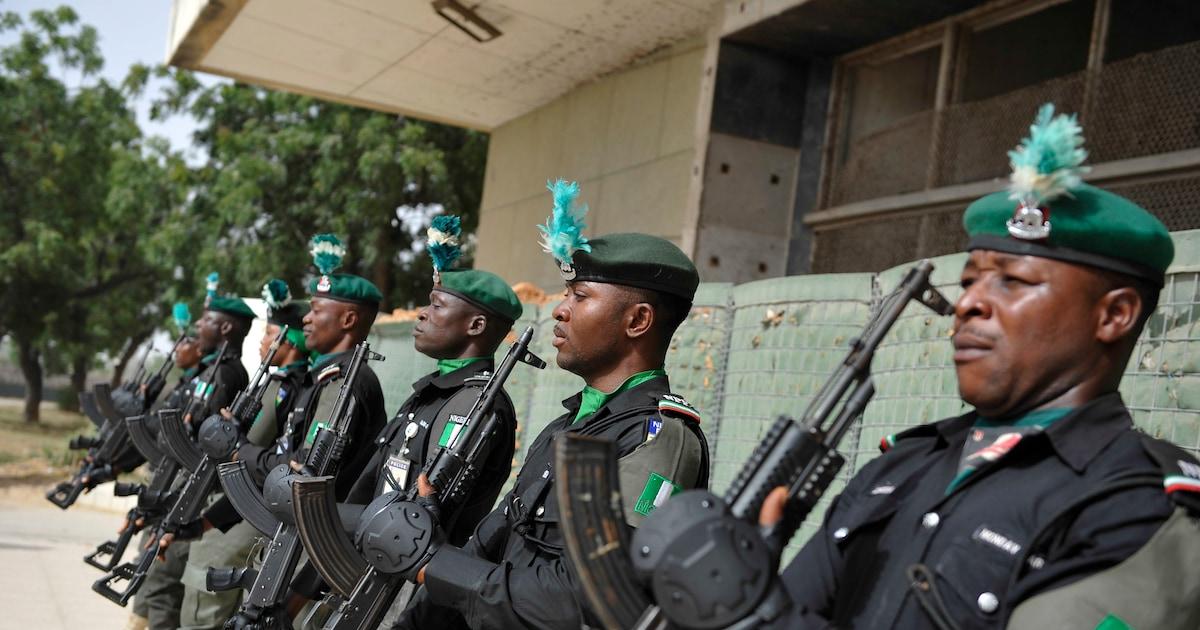
New law mandates states to meet strict guidelines before launching police forces, marking historic shift in Nigeria’s security structure
The House of Representatives on Tuesday, 11 June 2026, passed a landmark bill amending Section 214 of the 1999 Constitution to allow for the creation of state police, with an overwhelming majority of lawmakers—289 voting in favour and only four against—at the National Assembly complex in Abuja. The bill aims to decentralise Nigeria’s policing system after years of debate over rising insecurity and calls for state-level control.
The voting was conducted by show of hands due to technical faults with the electronic voting system. Speaker Tajudeen Abbas (APC, Kaduna) announced the result on the floor, confirming that just four lawmakers opposed the amendment while none abstained. The constitutional change sets out guidelines that must be met before any state can establish its own police force: each must pass a law through its House of Assembly and meet minimum standards prescribed by a future Act of the National Assembly.
Nigeria’s policing has long been centralised under federal control, but pressure has mounted amid widespread banditry, terrorism and mass kidnappings. Proponents argue that local policing will improve response times and tailor security measures to unique challenges in each state. Critics have expressed concerns about possible abuse by state governments and political interference.
Under the new structure, the Federal Police will retain national security responsibilities but cannot intervene in state police matters except where there is a total breakdown of law and order or upon request from a governor. Any intervention must be approved by the National Police Council. The Federal Capital Territory remains solely under federal policing. Leadership appointments will require confirmation from relevant legislative bodies: the Inspector-General of Police (IGP) at federal level is appointed by the President and confirmed by the National Assembly, while State Commissioners of Police are appointed by governors and confirmed by State Houses of Assembly.
Speaker Abbas described the passage as “a turning point for internal security,” urging states to begin preparations for compliance with new national standards. The opposition could not be immediately reached for comment at press time. Next steps include passage of supporting legislation at both federal and state levels before any state police agency becomes operational.

Visa Blow for Ivory Coast Fans as US Bars Entry Ahead of World Cup Opener in Philadelphia
House of Representatives Passes Bill to Establish State Police Nationwide
Senate Disowns Arrest Warrant for Ex-NNPC Boss Kyari, Rebukes Oshiomhole Over ₦210trn Probe Comments
House of Reps Approves State Police Bill with 289 Votes, Amends Constitution for Decentralised Policing
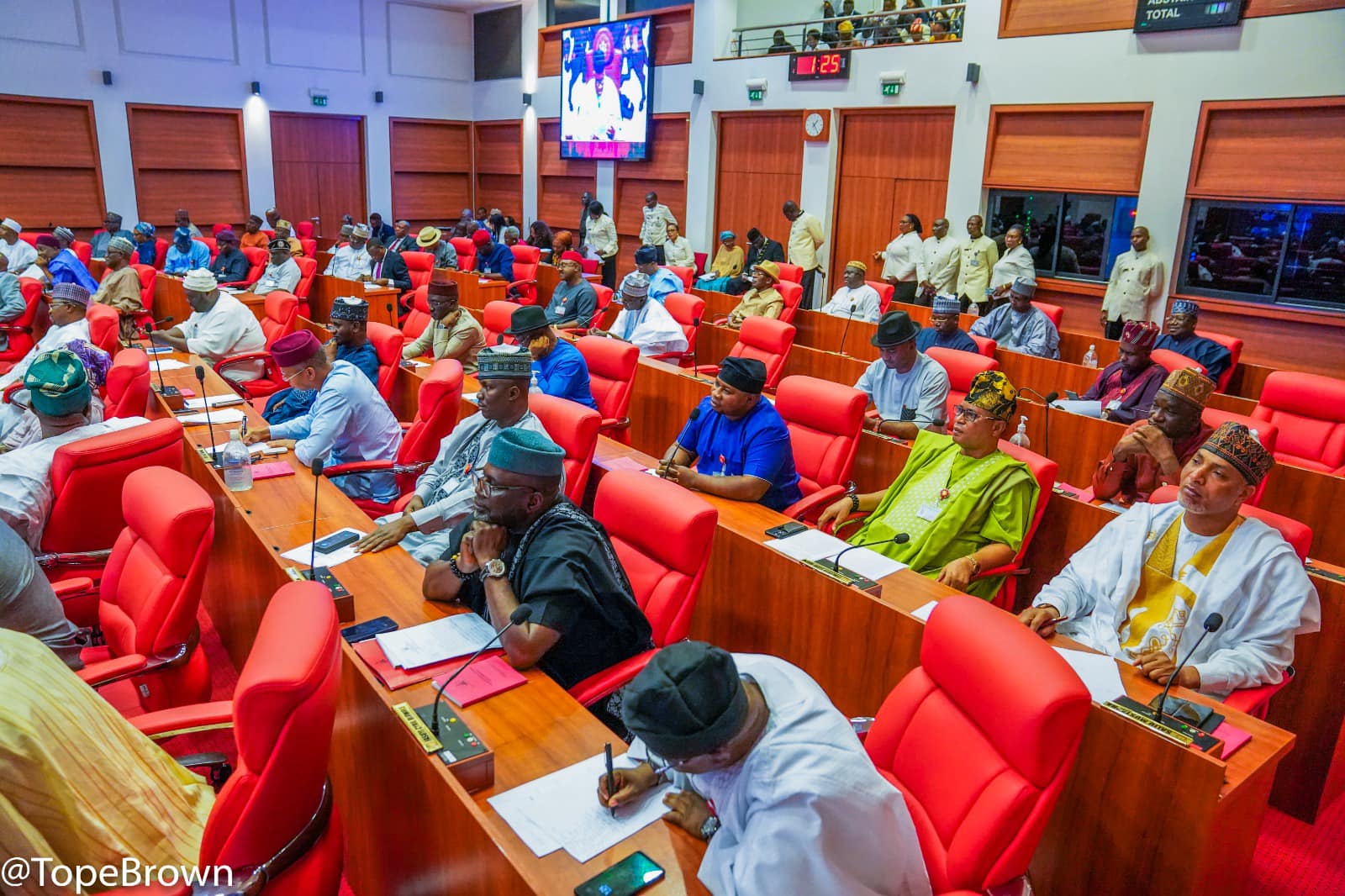
Senate Withdraws Arrest Threat Against Ex-NNPC MD Kyari Over ‘Missing’ ₦210trn Oil Revenue
Ụlọ Nnọchi Anya Kwupụtara Mmezi Iwu Ala Maka Ịmalite Ụlọ Ọrụ Ndị Uweojii Steeti

LeagueBook Kwupụtara Njikọ Ahịa Ngwaahịa Maka Ndị Na-akwado Egwuregwu
Nigeria Police Launches 24/7 School Emergency Response Centre Amid Surge in Student Abductions

Chelsea Set for Blockbuster FA Cup Fifth Round as Manchester City Await at Stamford Bridge

Somali Referee Omar Artan Gets UEFA Super Cup Call After US Ban Blocks World Cup Dream

Gọvanmenti Nigeria Kwupụtara 53 Orù Anyanwụ Maka Ike Ọhụrụ N’iru Afọ 2050

FG Launches $500m Abuja Formula 1 Bid, Targets Africa’s First Grand Prix Since 1993

Fresh Romance Rumours Trail Lando Norris as Alix Earle Sparks Drama in Monaco

Why More Nigerians Are Searching for Casino Bonuses—and What You Should Know Before Claiming

Moniepoint Graduates Second DreamDevs Cohort in Lagos to Strengthen Nigeria’s Engineering Workforce
Somali Referee Omar Artan Blocked From US World Cup Over Visa Row, Misses Dream Debut

Federal Government Launches Mining Grants for Research and Exploration Across Nigeria
House of Representatives Sets Thursday Vote on State Police Proposal

Borno State Records 74 Deaths as Cholera Outbreak Overwhelms Health Facilities