Nigeria News (Standard)
NICRAT DG Says Private Sector Key to Boosting Cancer Care in Nigeria
Director-General stresses need for corporate investment to bridge funding gaps in cancer diagnosis and treatment nationwide
Director-General stresses need for corporate investment to bridge funding gaps in cancer diagnosis and treatment nationwide
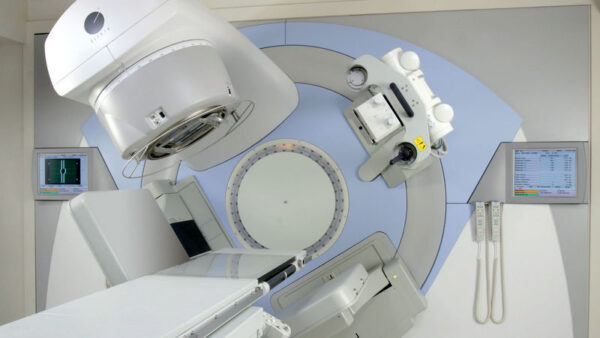
The Director-General of the National Institute for Cancer Research and Treatment (NICRAT) has emphasised that private sector involvement is crucial for improving cancer care delivery across Nigeria. Speaking in Abuja on Thursday, the NICRAT DG highlighted that government resources alone are not enough to address the rising burden of cancer cases and improve patient outcomes nationwide.
According to the NICRAT chief, public health facilities often face shortages of equipment and trained personnel, leading to delays in diagnosis and limited access to lifesaving treatments. He noted that increased partnership with private investors can help provide modern diagnostic machines, support training of health workers, and fund awareness campaigns aimed at early detection.
Cancer remains a significant public health challenge in Nigeria, with thousands of new cases reported annually. Experts say most patients present at advanced stages due to lack of awareness and inadequate screening services. The NICRAT DG stressed that without substantial private sector investment, efforts to reduce cancer-related deaths may fall short, especially in underserved communities.
He called on banks, telecommunications companies, oil firms and other major players in Nigeria’s economy to channel part of their corporate social responsibility budgets into cancer care initiatives. “Private sector participation will not only enhance service delivery but also ensure sustainability of intervention programmes,” the DG stated.
While government continues to invest in primary healthcare centres and regional cancer treatment hubs, stakeholders say collaborative funding models involving both public and private partners are needed for long-term impact. The institute plans to convene a national summit later this year to engage business leaders on concrete partnership frameworks for supporting Nigeria’s fight against cancer.
Nigeria News (Standard)
Lagos State Begins Phase Two Expansion of Lekki Port as Cargo Volumes Surge
Governor Sanwo-Olu says move will boost Nigeria’s AfCFTA trade prospects and ease pressure on Apapa, Tin Can ports
Governor Sanwo-Olu says move will boost Nigeria’s AfCFTA trade prospects and ease pressure on Apapa, Tin Can ports
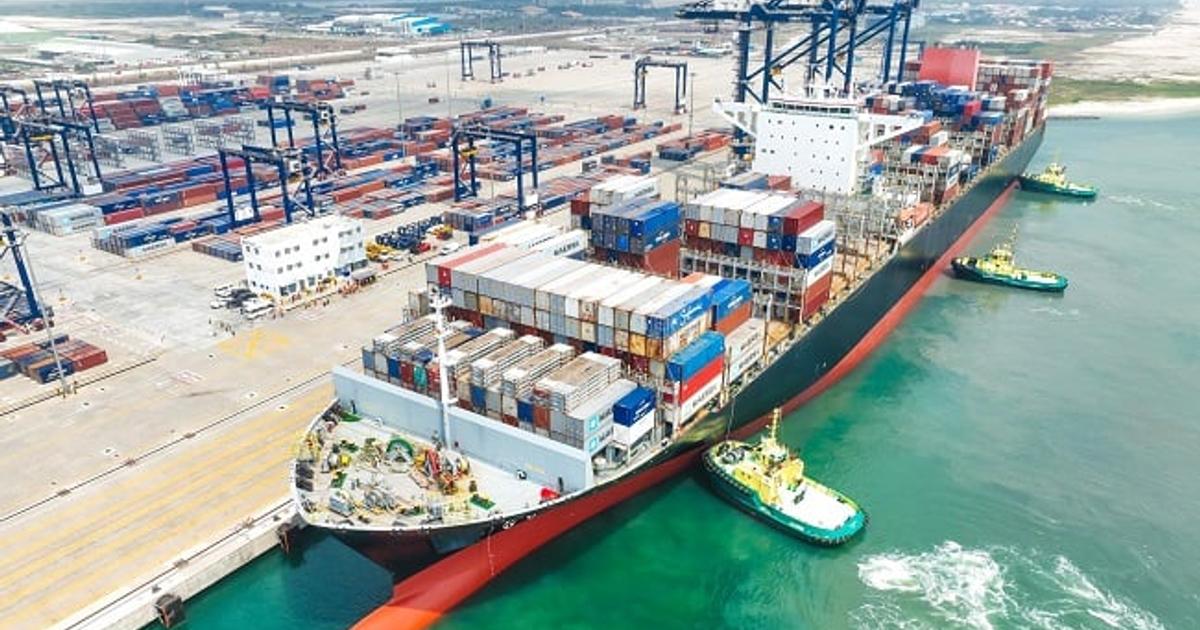
Lagos State Government has announced commencement of the second phase expansion of Lekki Deep Sea Port, citing rising cargo demand that has pushed the new maritime facility towards its maximum capacity. The disclosure was made by Governor Babajide Sanwo-Olu on Tuesday during the Invest Lagos Summit 3.0, held in Lagos.
According to Governor Sanwo-Olu, preparations are underway for Phase Two development as Lekki Port has witnessed significant growth since it began operations in 2023. The port was initially developed to relieve congestion at older terminals in Apapa and Tin Can Island and to position Nigeria as a competitive logistics hub in West Africa.
Governor Sanwo-Olu stated that the rapid increase in cargo volumes at Lekki Port has made expansion inevitable. He said, “The next phase will help us meet future demands and reinforce Lagos’ status as a major trade gateway on the continent.” He further noted that expanding the port aligns with Nigeria’s ambitions under the African Continental Free Trade Area (AfCFTA), targeting a market of over 1.4 billion people. The governor emphasised that improved logistics and increased capacity would attract more investment and strengthen the state’s economy.
Managing Director of Lekki Port, Wang Qiang, confirmed that Phase Two will focus on ramping up operational capacity and enhancing logistics efficiency. He explained that this development is expected to draw more international shipping lines and support businesses relying on seamless import-export operations, while helping to reduce congestion experienced at other Nigerian ports.
With work set to begin on the next phase, stakeholders are watching how swiftly the project will be delivered and its wider impact on regional commerce. The expansion is seen as another milestone for the Lekki industrial corridor, which has become a magnet for manufacturing, energy, and logistics investments in recent years.
Nigeria News (Standard)
NDC Leader Dickson Admits Irregularities in Primaries, Appeals to Aggrieved Aspirants
Former Bayelsa Governor urges patience as party faces complaints over direct primaries held under tight electoral timeline
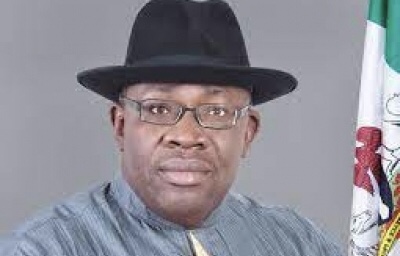
Former Bayelsa Governor urges patience as party faces complaints over direct primaries held under tight electoral timeline
Senator Seriake Dickson, National Leader of the Nigeria Democratic Congress (NDC), has acknowledged irregularities in the party’s recently concluded primaries and appealed to aggrieved aspirants for understanding. Speaking on Thursday via his official X handle after a televised interview, Dickson addressed concerns raised by participants regarding the conduct of the exercise across several states.
Dickson, who is also the former Governor of Bayelsa State, explained that the party—just four months old—was compelled to organise membership registration, congresses, a national convention and primaries within a compressed electoral calendar. He noted that this rapid process contributed to some of the challenges experienced during the selection of candidates.
He further stated that such issues are not unique to the NDC, arguing that even more established parties have faced similar complaints under Nigeria’s current Electoral Act. “The APC-led majority were wrong in foisting compulsory direct primaries on political parties and the country. Complaints about irregularities in direct primaries are pervasive across all parties and are not peculiar to the NDC,” Dickson said.
Despite reported grievances from some aspirants, Dickson maintained that the NDC’s performance should be commended given its youth and large number of candidates. He dismissed rumours circulating online which claimed winners had already been announced from the primaries, insisting no official results have been released. “No party has announced any set of winners from its primaries, and neither has the NDC. The public should disregard any such claims in circulation, especially on social media, and await the party’s formal submissions through the appropriate channels,” he said.
The NDC is expected to proceed with reconciliation processes while awaiting formal ratification of primary outcomes. Political observers will watch how the party manages internal dissent as it prepares for its debut general elections.
Source: https://punchng.com/dickson-admits-irregularities-in-ndc-primaries-begs-aggrieved-aspirants/
Nigeria News (Standard)
Lagos’ Dangote Refinery Boosts Jet Fuel Exports as Russia Extends Ban to November 2026
Refinery ships over 1.1 billion litres to Europe in two months, now meets 95% of Nigeria’s Jet A1 demand
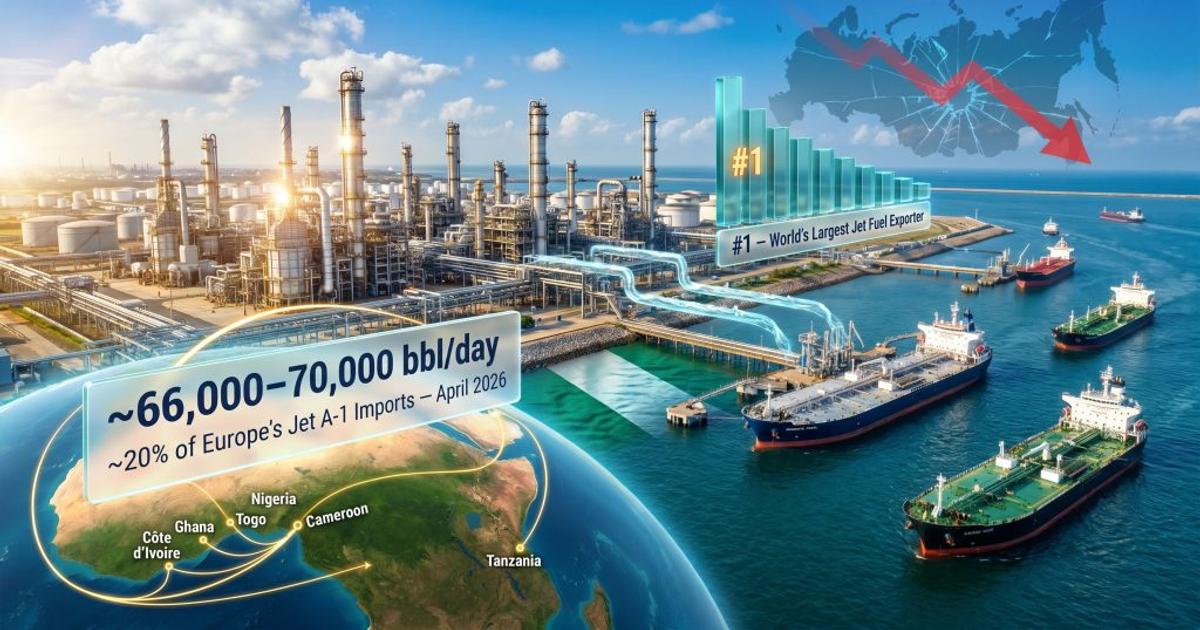
Refinery ships over 1.1 billion litres to Europe in two months, now meets 95% of Nigeria’s Jet A1 demand
Dangote Petroleum Refinery in Lagos has rapidly increased its presence in the international aviation fuel market after Russia extended its jet fuel export ban until November 2026, a move that is tightening global supply and sending European buyers searching for new suppliers. The development was confirmed on Monday as Russia announced it would continue restricting jet fuel exports to protect domestic supplies amid ongoing attacks on its refining infrastructure.
The Russian government’s decision, which exempts only intergovernmental agreements and already-cleared cargoes, follows earlier controls on gasoline exports and comes at a time when air travel demand is rebounding worldwide. Industry analysts say although Russia is not among the leading global exporters of jet fuel, the ban adds to wider concerns over aviation fuel shortages caused by refinery disruptions and geopolitical tensions—factors now making alternative suppliers like Dangote Refinery more attractive.
Recent industry data shows Dangote Refinery exported about 1.1 billion litres of aviation fuel to Europe between March and April 2026 while also meeting more than 95 percent of Nigeria’s domestic Jet A1 needs. In April alone, shipments from the Lagos-based refinery reached around 615 million litres of aviation fuel as part of a total 1.66 billion litres of refined products exported that month, indicating strong international demand for Nigerian petroleum products.
According to market observers, major disruptions affecting established refining centres have elevated the role of new large-scale facilities such as Dangote Refinery in global supply chains. “The environment is supporting suppliers with significant export capacity and stable production,” one energy analyst noted, pointing out that European buyers are increasingly looking beyond traditional Middle Eastern sources due to uncertainties and supply bottlenecks.
As at now, Dangote Refinery is seen capitalising on these shifts—strengthening Nigeria’s position in the international oil and gas sector while stabilising local jet fuel availability. Stakeholders expect continued strong demand for Dangote’s exports as long as geopolitical tensions persist and established supply routes remain under pressure.
Lagos State Begins Phase Two Expansion of Lekki Port as Cargo Volumes Surge
NDC Leader Dickson Admits Irregularities in Primaries, Appeals to Aggrieved Aspirants
Lagos’ Dangote Refinery Boosts Jet Fuel Exports as Russia Extends Ban to November 2026
First Batch of Nigerians Evacuated from South Africa Arrives Lagos Airport
Ronaldo Declares Portugal ‘Ready’ After Unspecified Win Over Super Eagles in Lisbon

Endrick’s Wife Gabriely Miranda Reveals She Has ‘Full Access’ in Their Marriage — Fans React to the Unusual Detail
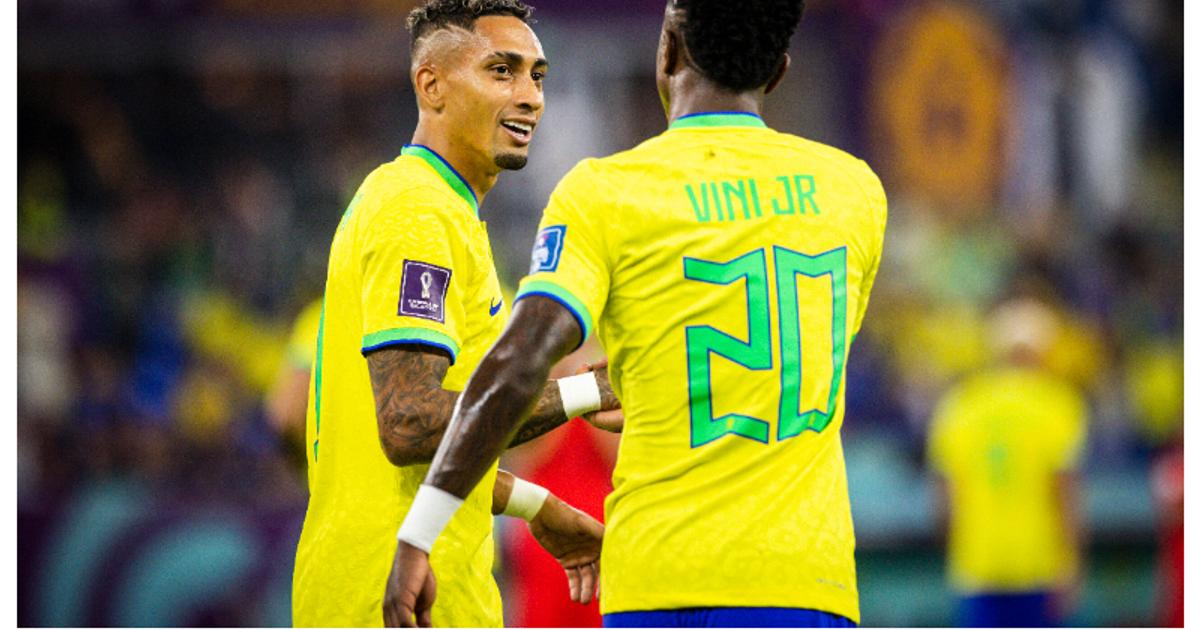
Raphinha Tips Vinicius to Lead Brazil to Sixth World Cup Title as Pressure Mounts
ISWAP Bomb Expert, Senior Commander Surrender to Troops in Yobe State
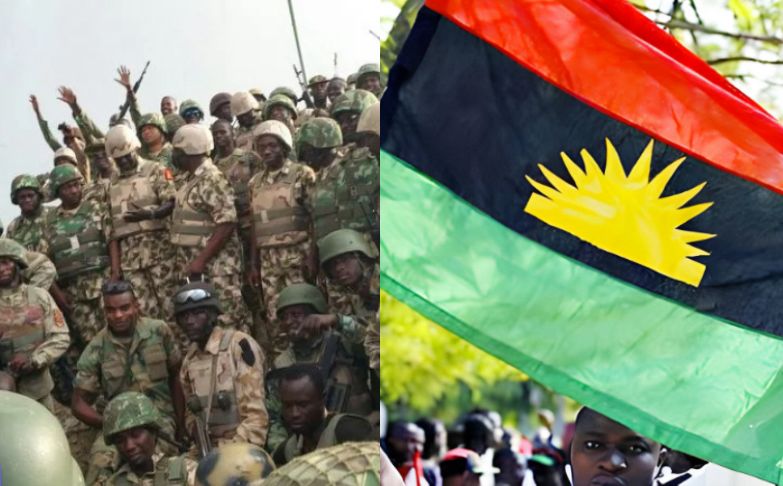
Troops Uncover IPOB Arms Cache, Arrest Suspects in South-East Raid
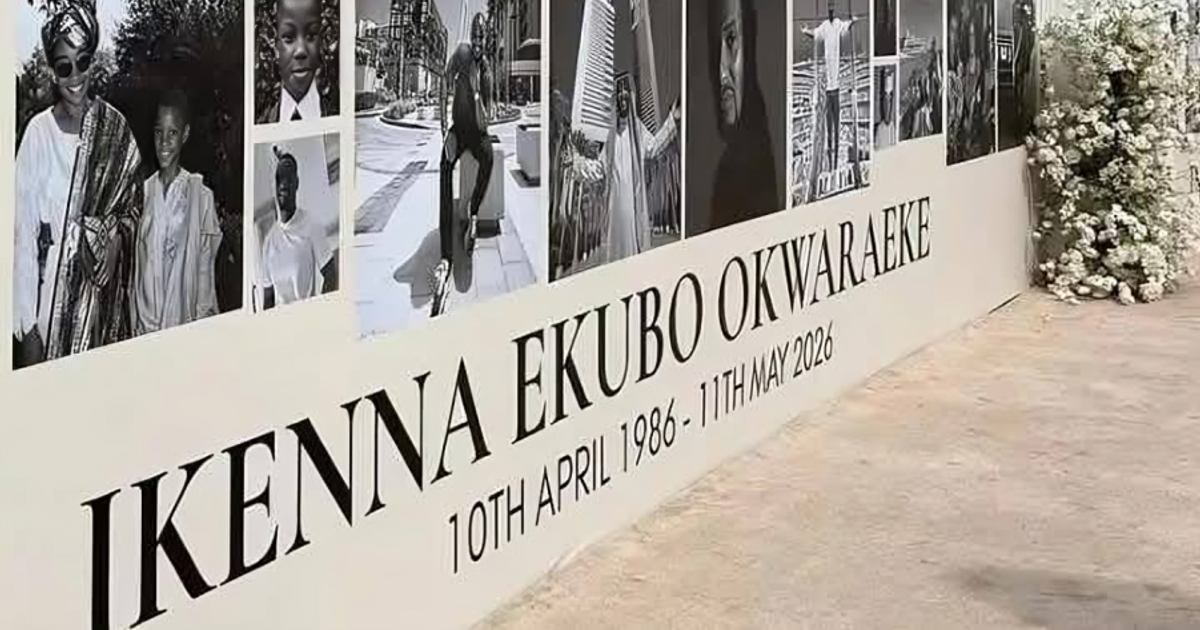
Lagos Celebrities Honour Late Alexx Ekubo at Service of Songs, Gospel Ministers Lead Tributes
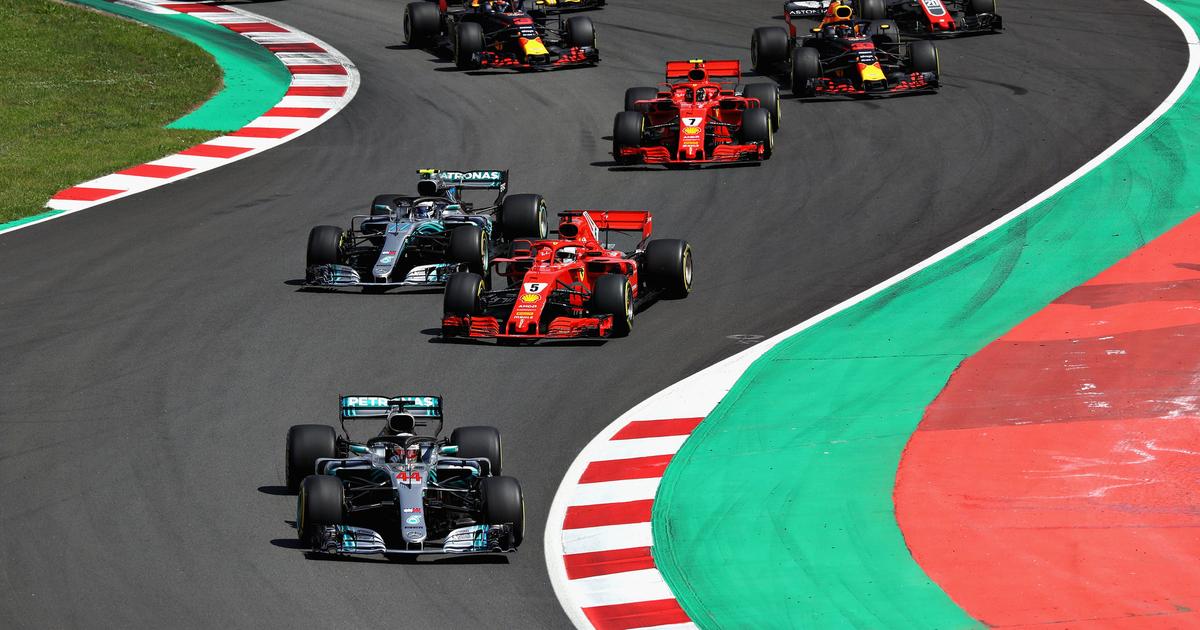
FG Launches $500m Abuja Formula 1 Bid, Targets Africa’s First Grand Prix Since 1993

Gọvanmenti Nigeria Kwupụtara 53 Orù Anyanwụ Maka Ike Ọhụrụ N’iru Afọ 2050

Why More Nigerians Are Searching for Casino Bonuses—and What You Should Know Before Claiming
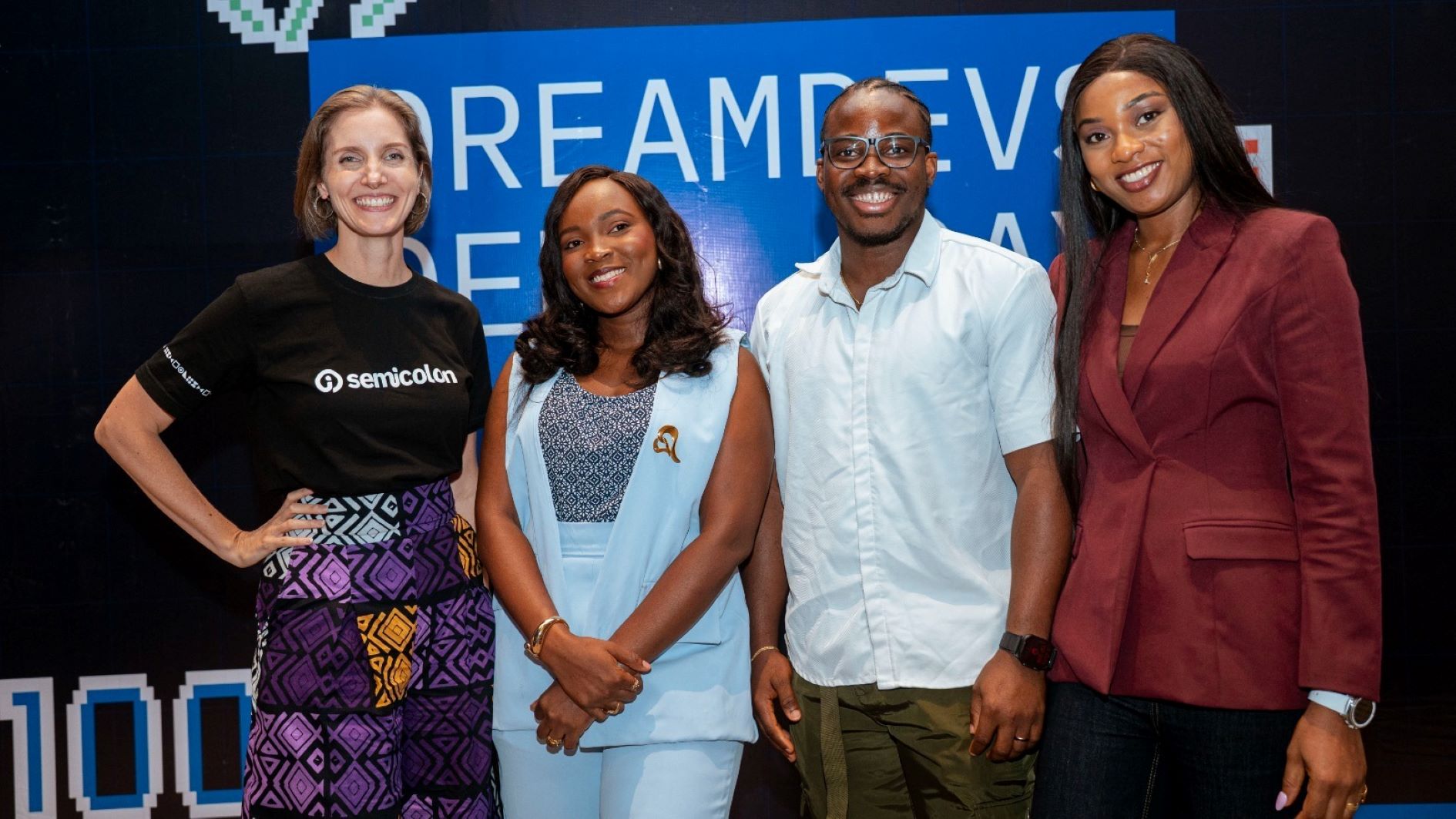
Moniepoint Graduates Second DreamDevs Cohort in Lagos to Strengthen Nigeria’s Engineering Workforce

Fresh Romance Rumours Trail Lando Norris as Alix Earle Sparks Drama in Monaco
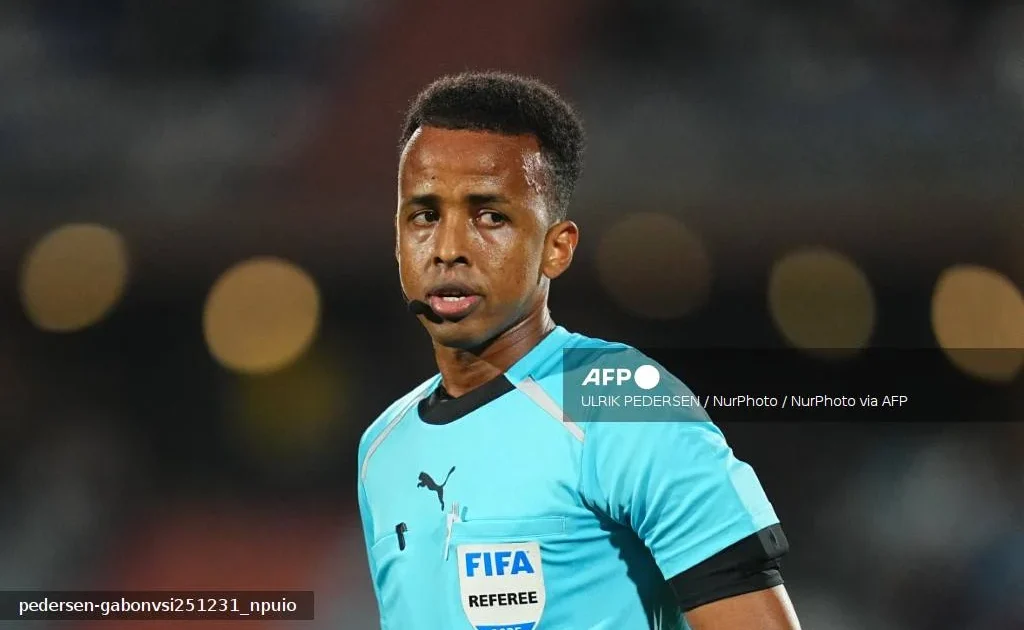
Somali Referee Omar Artan Blocked From US World Cup Over Visa Row, Misses Dream Debut
Federal Government Launches Mining Grants for Research and Exploration Across Nigeria
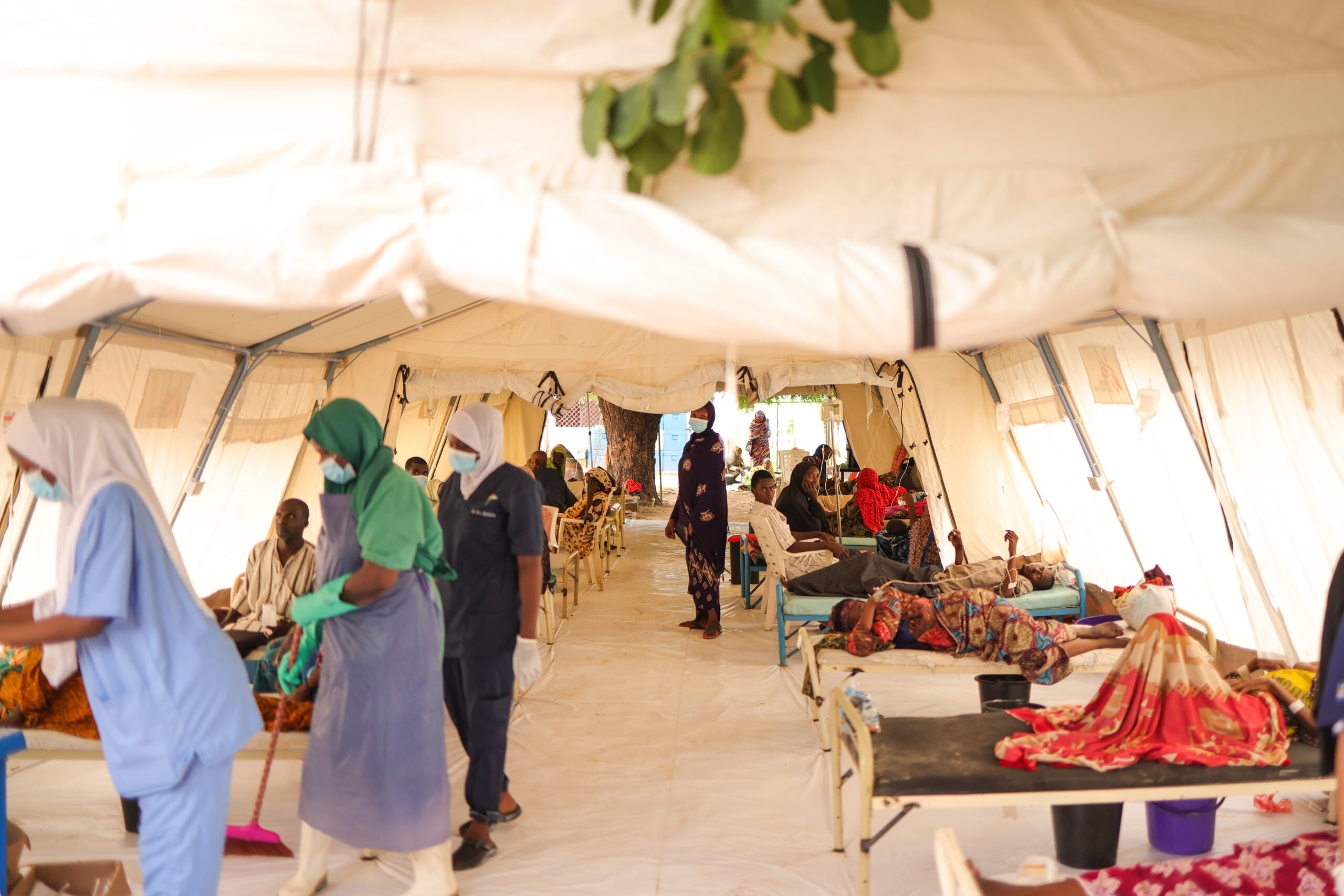
Borno State Records 74 Deaths as Cholera Outbreak Overwhelms Health Facilities
Ụlọ akụ Nigeria Welie Ogo Ego Naira Maka Ịkwụ Ụgwọ Mba Ọzọ N’ihi Ndokwa N’ahịa Ego Mpụga