
Nigeria News (Standard)
Airtel Africa Converts 950 Sites to Grid Power, Cuts Diesel Use by 9.1 Million Litres
Telecoms operator in Lagos records major drop in emissions as CEO Sunil Taldar pledges stronger sustainability push
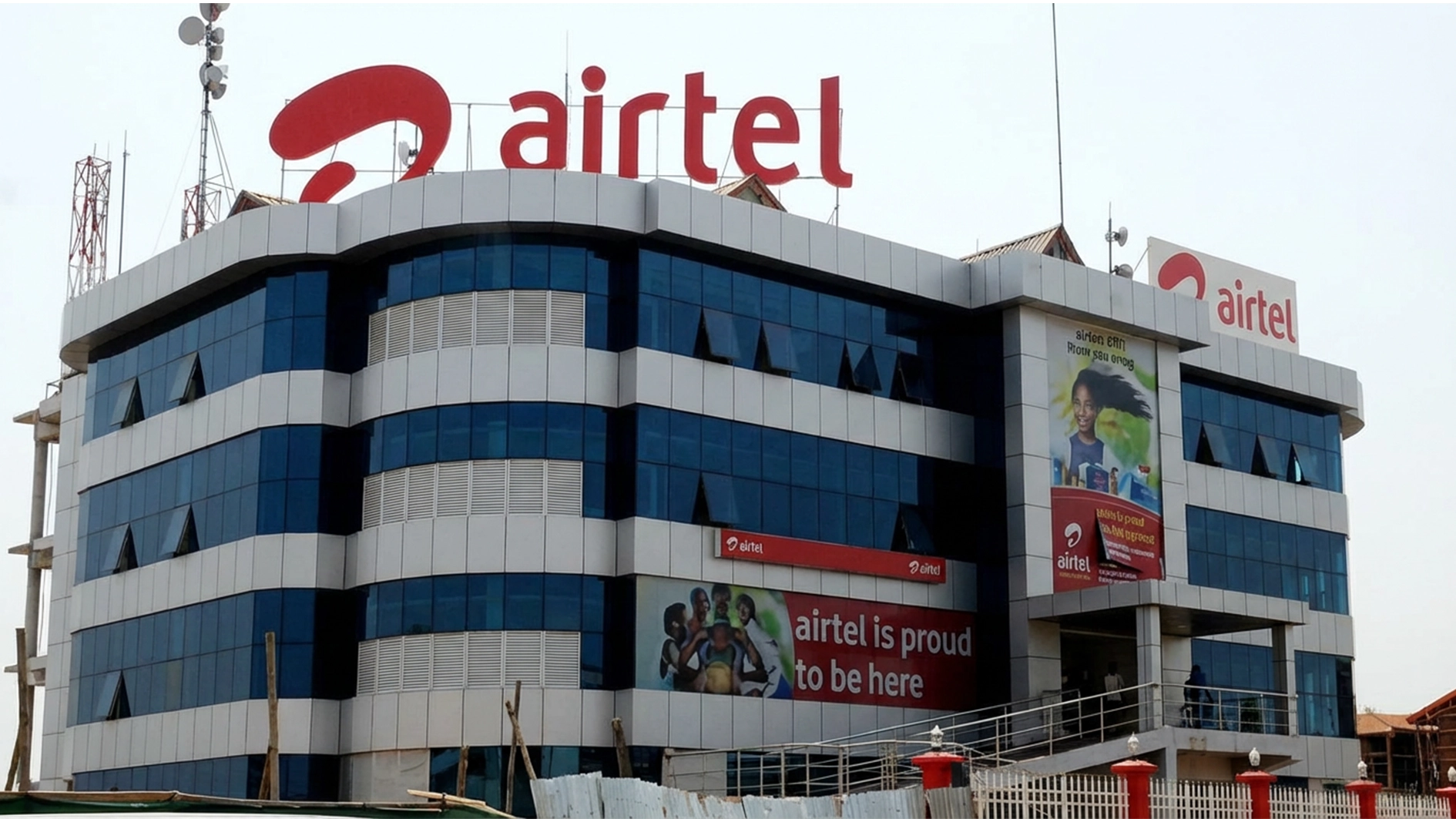
Telecoms operator in Lagos records major drop in emissions as CEO Sunil Taldar pledges stronger sustainability push
Airtel Africa has announced the conversion of over 950 infrastructure sites from off-grid to on-grid power supply across its Nigerian operations during the 2025/26 reporting period, nearly doubling last year’s effort. The move, detailed in the company’s newly released Sustainability Report 2026, took place mostly in Lagos and other major urban centres, and resulted in a reduction of diesel consumption by 9.1 million litres within one year.
The telecommunications giant said the transition away from diesel generators is part of a broader environmental strategy aimed at decarbonising its network operations and improving energy efficiency. The number of converted sites rose sharply from about 500 recorded last year, demonstrating what company officials describe as a significant operational shift towards cleaner grid electricity.
Industry stakeholders say Airtel Africa’s latest actions matter for Nigeria’s telecoms sector because diesel-powered base stations have long contributed to high carbon emissions and operational costs, especially with frequent power outages. The company’s focus on sustainability aligns with growing calls from environmental groups and government agencies for operators to adopt greener practices amid global climate targets.
Chief Executive Officer of Airtel Africa, Sunil Taldar, said in a written statement that the ongoing transition would strengthen operational resilience while supporting long-term sustainable growth. “By improving energy efficiency and reducing reliance on diesel, we’re strengthening operational resilience while supporting long-term sustainable growth,” Taldar noted.
In addition to reducing diesel use, Airtel Africa reported that it recycled 94 percent of total generated waste during the period under review—up from 93 percent recorded in the previous financial year—reflecting its continued commitment to responsible environmental stewardship. The company’s sustainability report did not detail specific naira figures but highlighted ongoing efforts to embed environmental considerations across all business operations. Further measures are expected in the coming months as part of Airtel Africa’s broader decarbonisation agenda.
Nigeria News (Standard)
Senate Leader Bamidele Unveils Plan to End Presidential, Governorship Second Term with Six-Year Single Tenure Bill
Proposed constitutional amendment aims to shift focus to governance; two-thirds of state assemblies’ approval required for passage
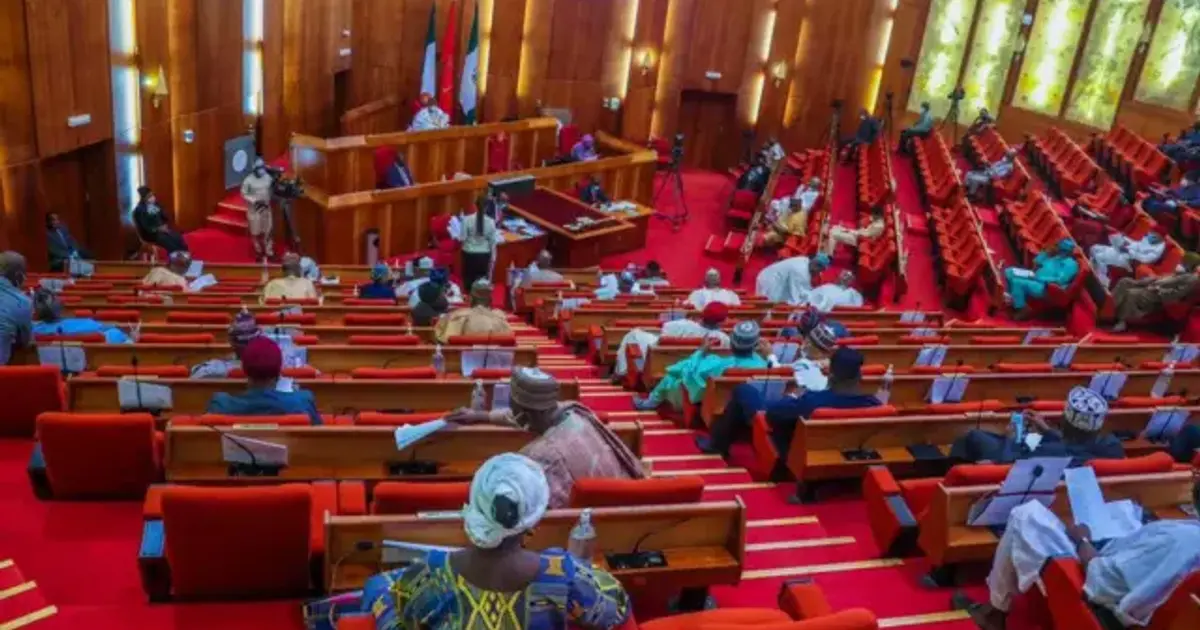
Proposed constitutional amendment aims to shift focus to governance; two-thirds of state assemblies’ approval required for passage
The Nigerian Senate, led by Senate Leader Opeyemi Bamidele (APC, Ekiti Central), has initiated steps to introduce a bill that would end the current two-term system for presidents and governors, replacing it with a single six-year tenure. The proposal, revealed in Abuja on Tuesday, seeks to amend the constitution so that elected chief executives at federal and state levels can no longer seek re-election after their first term.
Currently, both the President and state governors are allowed to serve two four-year terms under Nigeria’s 1999 Constitution. If the new measure becomes law, future presidents and governors will be limited to a one-time six-year term, with no opportunity for re-election. Bamidele stated that the rationale behind the move is to enable leaders focus squarely on governance rather than spending their first term preparing for a second-term campaign.
“This idea is meant to strengthen our democracy by allowing leaders devote themselves fully to development programmes without the distraction of re-election politics,” Bamidele said during a press briefing at the National Assembly Complex. He explained that the bill is part of wider ongoing constitutional and electoral reforms targeted at improving Nigeria’s political process ahead of the 2027 general elections.
However, such a significant change requires more than just passage in the Senate. As presidential and governorship tenure are stipulated in the constitution, any amendment must be approved by a two-thirds majority in both chambers of the National Assembly and also secure endorsement from at least two-thirds of Nigeria’s 36 State Houses of Assembly. The Senate leader noted that this broad support is necessary to ensure legitimacy and national consensus.
While similar proposals for single tenure have surfaced in past administrations but failed at various stages of constitutional review, analysts say this fresh attempt could spark robust debate about Nigeria’s political future. If enacted, it would represent one of the most consequential reforms since Nigeria’s return to civilian rule in 1999. Lawmakers are expected to begin formal deliberations on the bill after next year’s general elections as part of ongoing efforts at constitutional reform.
Nigeria News (Standard)
NICRAT DG Says Private Sector Key to Boosting Cancer Care in Nigeria
Director-General stresses need for corporate investment to bridge funding gaps in cancer diagnosis and treatment nationwide
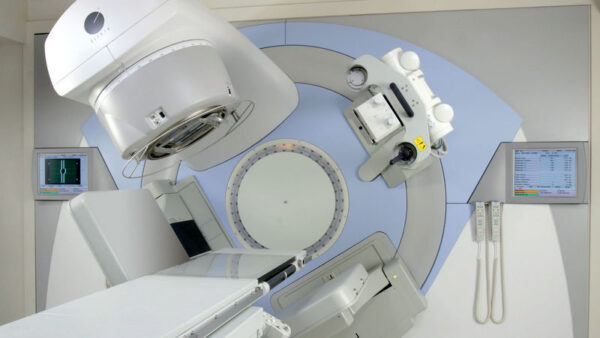
Director-General stresses need for corporate investment to bridge funding gaps in cancer diagnosis and treatment nationwide
The Director-General of the National Institute for Cancer Research and Treatment (NICRAT) has emphasised that private sector involvement is crucial for improving cancer care delivery across Nigeria. Speaking in Abuja on Thursday, the NICRAT DG highlighted that government resources alone are not enough to address the rising burden of cancer cases and improve patient outcomes nationwide.
According to the NICRAT chief, public health facilities often face shortages of equipment and trained personnel, leading to delays in diagnosis and limited access to lifesaving treatments. He noted that increased partnership with private investors can help provide modern diagnostic machines, support training of health workers, and fund awareness campaigns aimed at early detection.
Cancer remains a significant public health challenge in Nigeria, with thousands of new cases reported annually. Experts say most patients present at advanced stages due to lack of awareness and inadequate screening services. The NICRAT DG stressed that without substantial private sector investment, efforts to reduce cancer-related deaths may fall short, especially in underserved communities.
He called on banks, telecommunications companies, oil firms and other major players in Nigeria’s economy to channel part of their corporate social responsibility budgets into cancer care initiatives. “Private sector participation will not only enhance service delivery but also ensure sustainability of intervention programmes,” the DG stated.
While government continues to invest in primary healthcare centres and regional cancer treatment hubs, stakeholders say collaborative funding models involving both public and private partners are needed for long-term impact. The institute plans to convene a national summit later this year to engage business leaders on concrete partnership frameworks for supporting Nigeria’s fight against cancer.
Nigeria News (Standard)
SEDC Defends ₦153 Million Expenditure on Abuja Liaison Office
Commission says spending aligns with budgetary approval, cites strategic need for federal presence in FCT
Commission says spending aligns with budgetary approval, cites strategic need for federal presence in FCT
The State Economic Development Commission (SEDC) has clarified its expenditure of ₦153 million on a liaison office in Abuja, stating that the funds were used strictly in line with approved budgetary provisions. The commission made this disclosure in Abuja on Thursday, responding to public concerns over the cost associated with establishing and maintaining the office in the Federal Capital Territory.
According to SEDC, the process leading to the establishment of the liaison office followed due procurement procedures and was intended to strengthen the state’s representation at federal government meetings. The commission explained that the allocation covered rent, furnishing, and essential operational needs required for effective engagement with ministries, departments, and agencies based in Abuja.
The move comes amid ongoing scrutiny of state expenditures by civil society groups and opposition parties, who have called for greater transparency and prioritisation of funds amid economic pressures. With inflation rising above 30 percent as at April 2026 (according to NBS data), many stakeholders have questioned large outlays by state bodies.
In a statement issued by its spokesperson, SEDC noted: “This expenditure is not only necessary but also strategic for ensuring our state’s interests are well represented at the federal level. All disbursements were carried out according to established financial regulations and oversight mechanisms.”
Opposition lawmakers have urged an independent audit of all state liaison offices, arguing that such reviews are critical for public trust. The commission maintained that it is open to any probe as required by law. As debates continue over fiscal responsibility at subnational level, further legislative hearings on similar expenditures are expected in coming months.
Senate Leader Bamidele Unveils Plan to End Presidential, Governorship Second Term with Six-Year Single Tenure Bill
NICRAT DG Says Private Sector Key to Boosting Cancer Care in Nigeria
SEDC Defends ₦153 Million Expenditure on Abuja Liaison Office
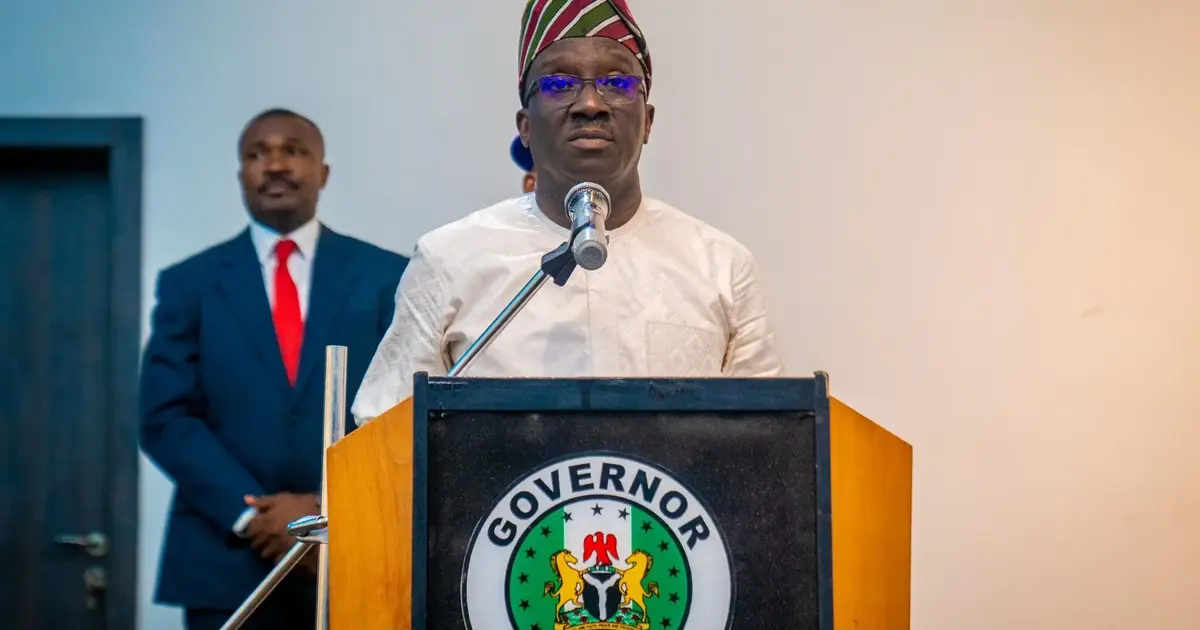
Edo State Shuts Three Akoko-Edo Schools Over Suspected Kidnap Plot, DSS Alerts Security Agencies

FG Launches Probe into Warri-Itakpe Train Crash in Delta State

Pele Tops BBC Sport’s World Cup Legends List as Messi and Maradona Make Top Four
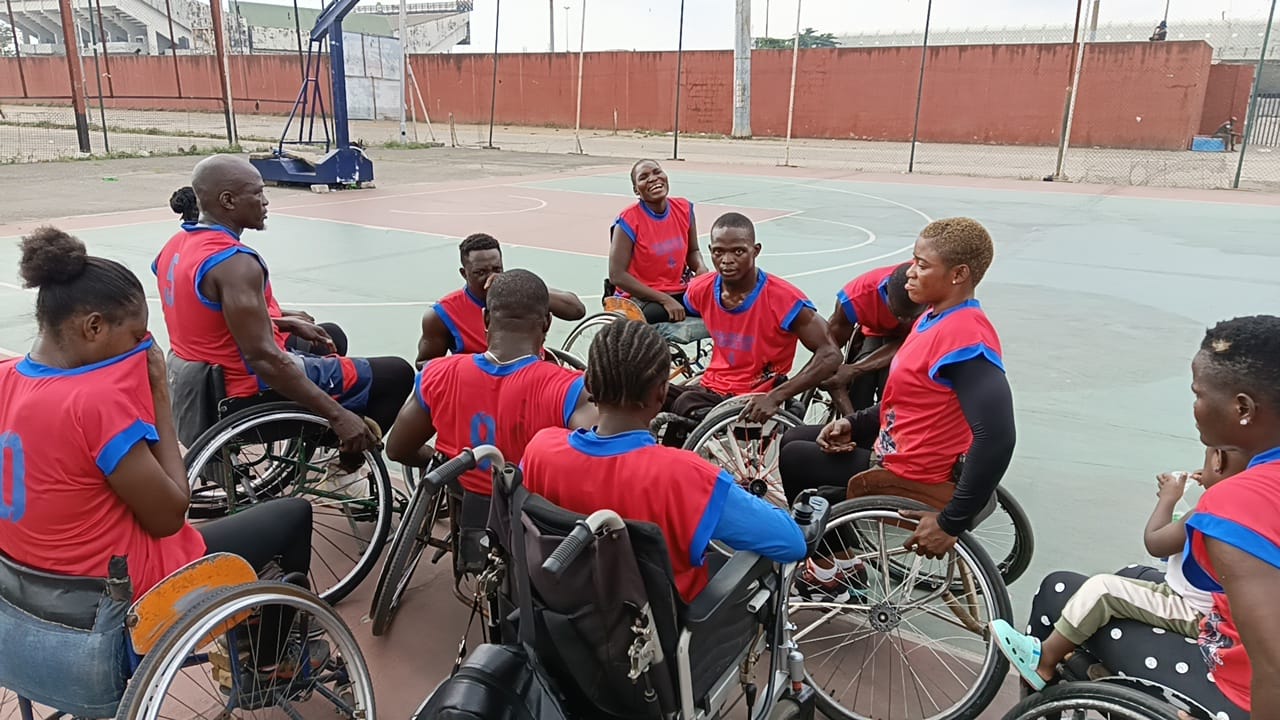
Folmus to Host Four-Team Wheelchair Basketball Invitational in Lagos, Promotes Disability Sports
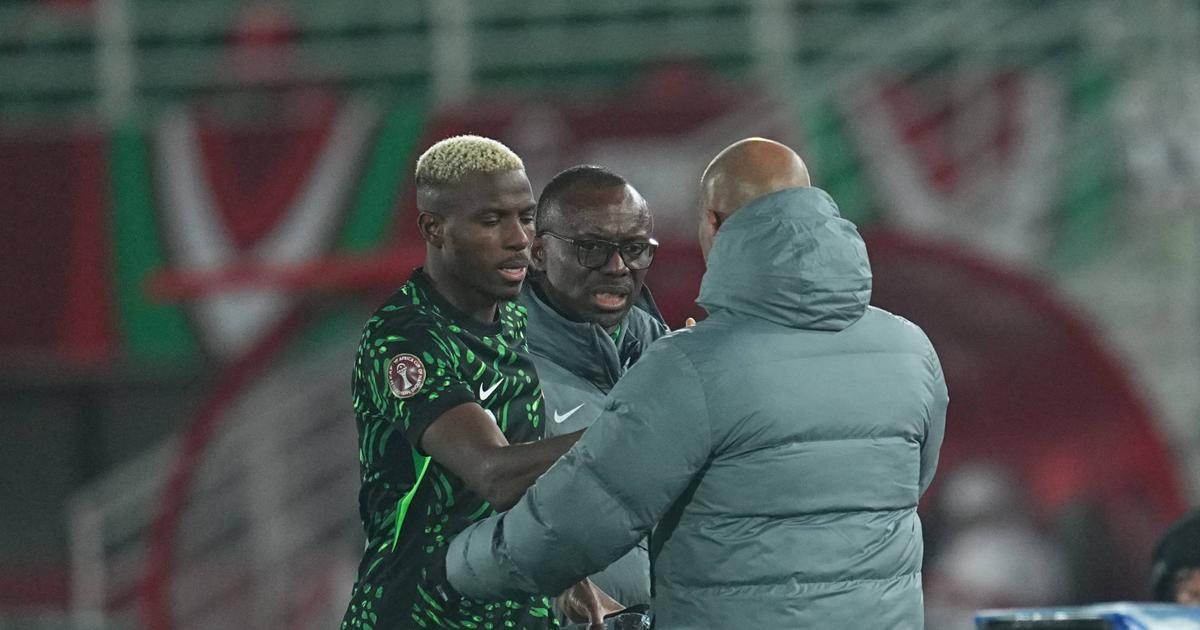
Super Eagles Coach Laments Osimhen’s Absence Ahead of Clash With Ronaldo’s Portugal

Bet of the Day: No Key Fixture Results or Predictions Reported for Nigerian Fans
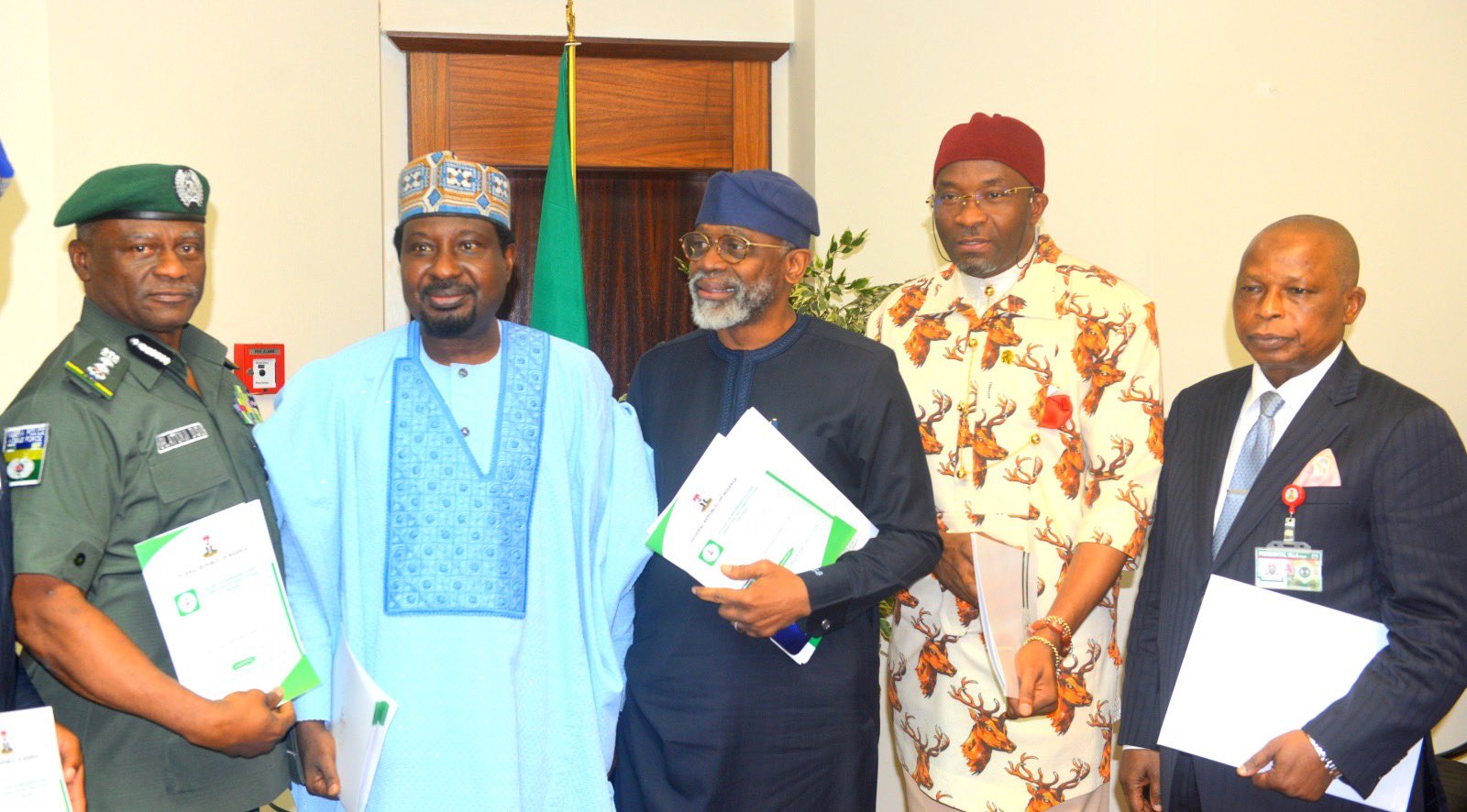
Gọvanmentị Federal Kwupụtara Malite Iwu Ọhụrụ Maka Ụlọ Ọrụ Pulisi Steeti N’ime Ụsọ Nigeria
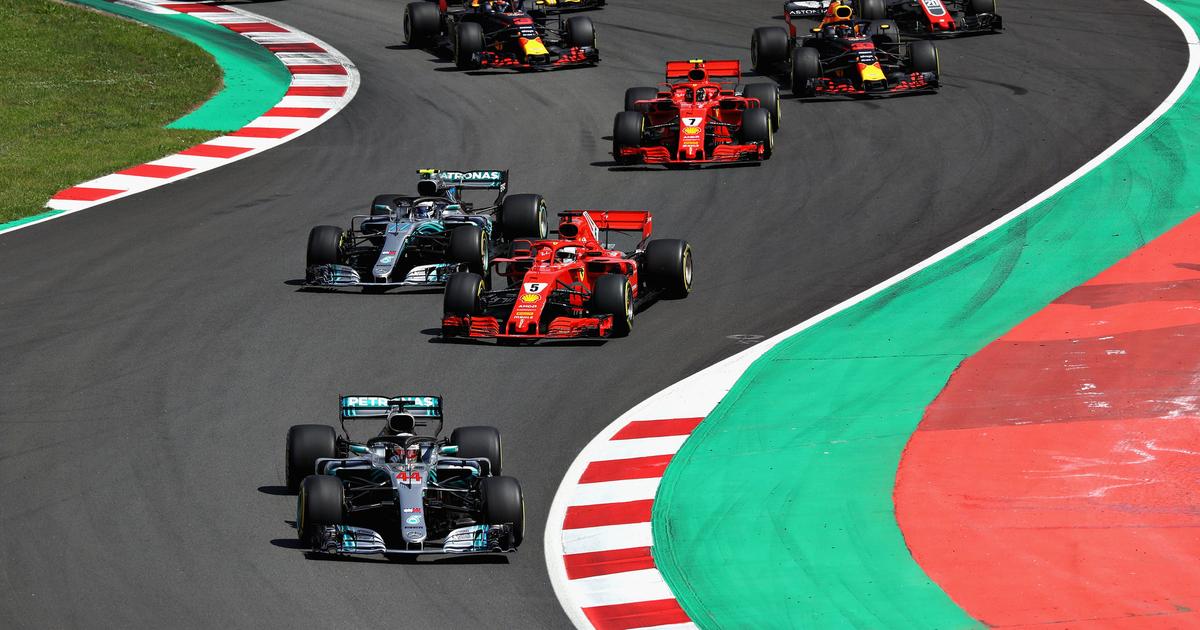
FG Launches $500m Abuja Formula 1 Bid, Targets Africa’s First Grand Prix Since 1993

Moniepoint Graduates Second DreamDevs Cohort in Lagos to Strengthen Nigeria’s Engineering Workforce

Gọvanmenti Nigeria Kwupụtara 53 Orù Anyanwụ Maka Ike Ọhụrụ N’iru Afọ 2050

Why More Nigerians Are Searching for Casino Bonuses—and What You Should Know Before Claiming

Fresh Romance Rumours Trail Lando Norris as Alix Earle Sparks Drama in Monaco
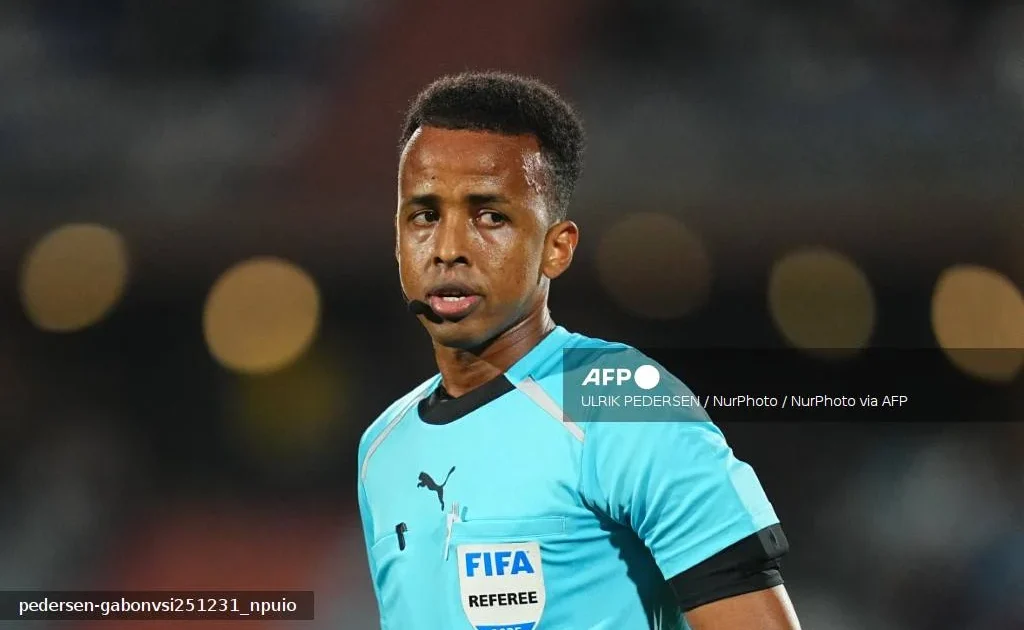
Somali Referee Omar Artan Blocked From US World Cup Over Visa Row, Misses Dream Debut
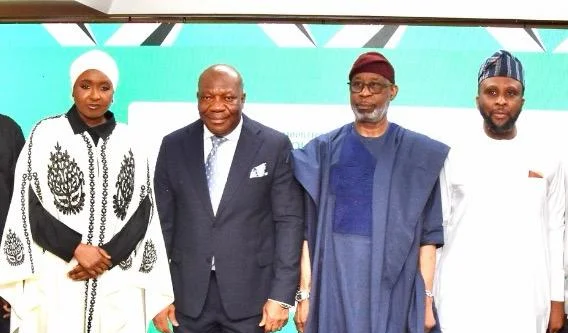
Federal Government Launches Mining Grants for Research and Exploration Across Nigeria
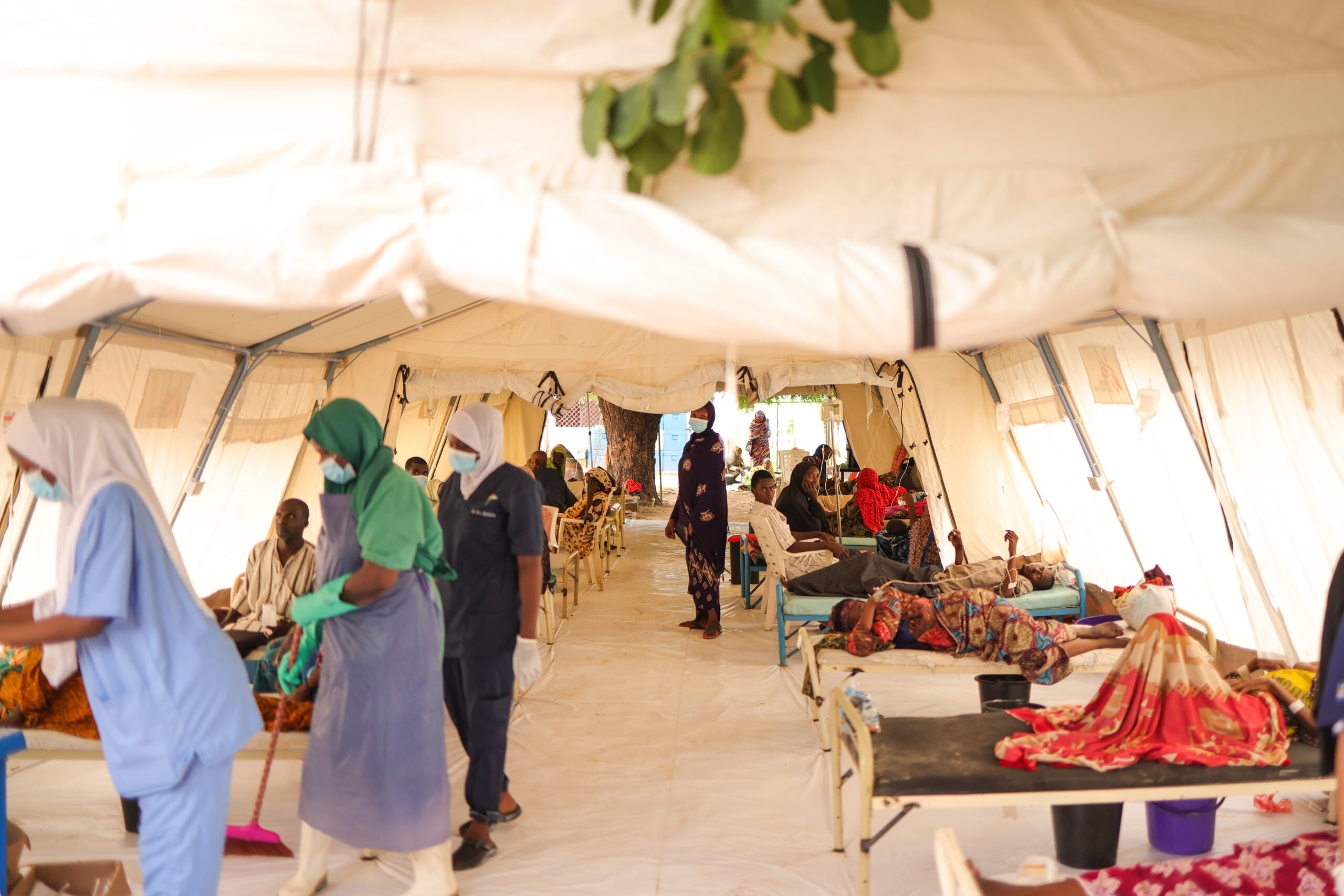
Borno State Records 74 Deaths as Cholera Outbreak Overwhelms Health Facilities
Ụlọ akụ Nigeria Welie Ogo Ego Naira Maka Ịkwụ Ụgwọ Mba Ọzọ N’ihi Ndokwa N’ahịa Ego Mpụga