
Nigeria News (Standard)
World Bank Warns 52.9 Million Nigerians Face Acute Food Insecurity Amid Middle East Crisis
Rising fuel and fertiliser costs threaten agriculture in North-East, Lake Chad Basin as government seeks urgent intervention
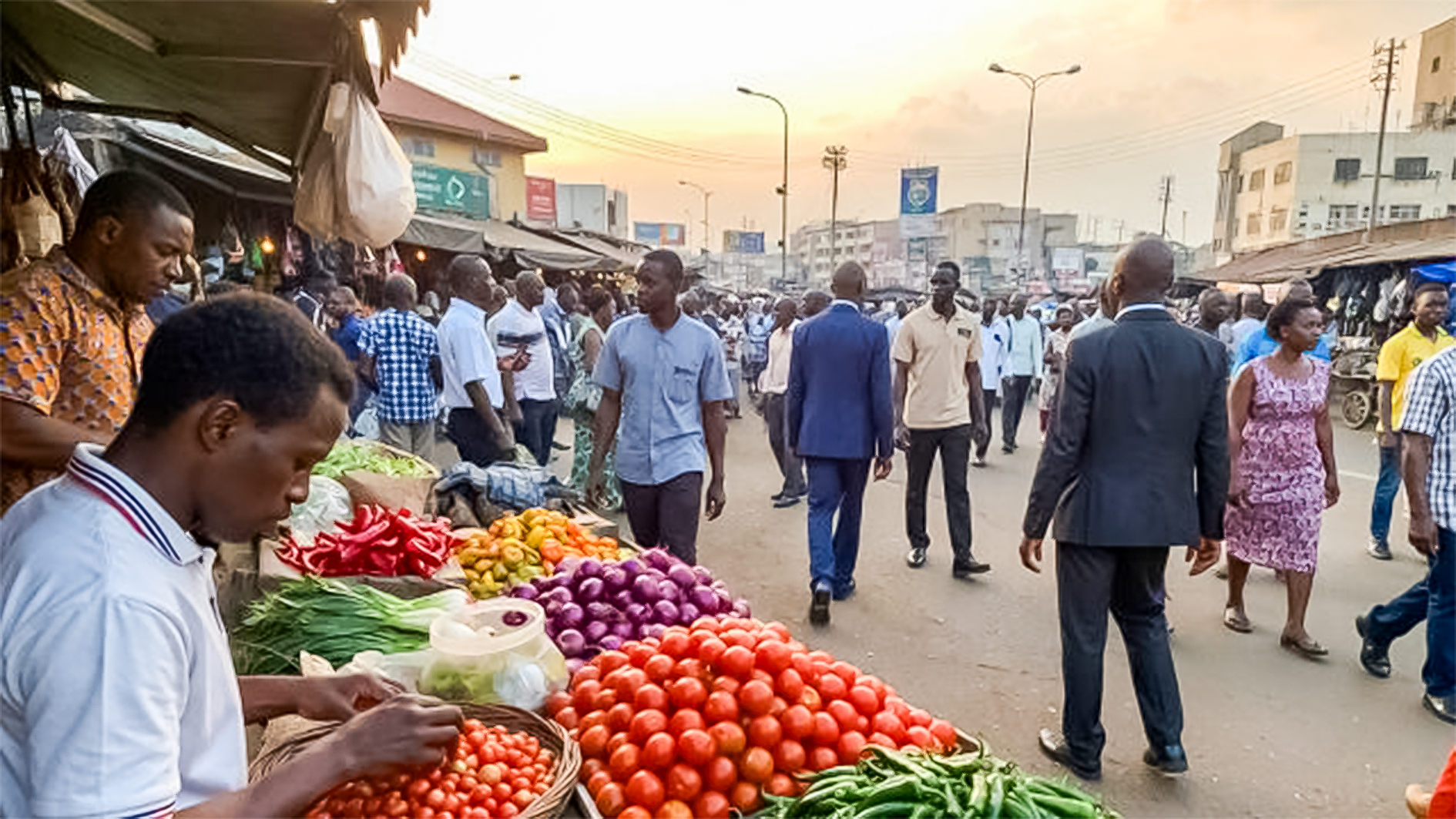
Rising fuel and fertiliser costs threaten agriculture in North-East, Lake Chad Basin as government seeks urgent intervention
The World Bank has projected that about 52.9 million people across Nigeria and neighbouring West and Central African countries will experience severe food and nutrition insecurity during the June to August 2026 lean season, with Borno, Adamawa, and Yobe states in the North-East among the most affected areas. This warning was contained in the bank’s latest global markets outlook released on Tuesday.
According to the report, the ongoing conflict in the Middle East is pushing up fuel, freight, and fertiliser prices across regions heavily reliant on imported agricultural inputs. The Sahel belt, Lake Chad Basin, and conflict-impacted communities in North-East Nigeria are expected to bear the brunt of these pressures, which may further worsen living conditions for millions already grappling with displacement and economic hardship.
The World Bank noted that higher input costs could reduce fertiliser affordability for local farmers, increase production expenses for staple crops, and threaten yields for the upcoming 2026/2027 planting season. Food prices have already been climbing steadily nationwide due to inflationary trends and naira depreciation. The National Bureau of Statistics (NBS) recently reported that headline inflation stood at 33.7 percent as at April 2026.
“The Middle East conflict is increasing risks to food security. Nearly 52.9 million people are projected to be acutely food insecure in West and Central Africa during the June to August lean season, especially in conflict-affected areas of the central Sahel, the Lake Chad Basin and northeastern Nigeria,” the World Bank stated in its report.
While government has yet to issue an official response to this latest projection, previous interventions such as emergency grain releases and support programmes have been deployed in affected states. Agricultural stakeholders are urging urgent action to cushion vulnerable communities from further hardship. The opposition Peoples Democratic Party (PDP) has called for a comprehensive review of import policies to make fertiliser more affordable for local farmers.
Experts say that unless global supply chains stabilise and targeted government relief reaches those most at risk, food insecurity could escalate into wider humanitarian challenges in Nigeria’s North-East and beyond over the coming months.
Source: https://guardian.ng/business-services/52-9m-nigerians-others-face-acute-food-insecurity-says-wbank/
Nigeria News (Standard)
Falana, Youth Groups Launch Nationwide Protest on June 12 Over Insecurity, Economic Hardship
Demonstrations set for major cities as organisers demand urgent government action on food prices, unemployment, and security
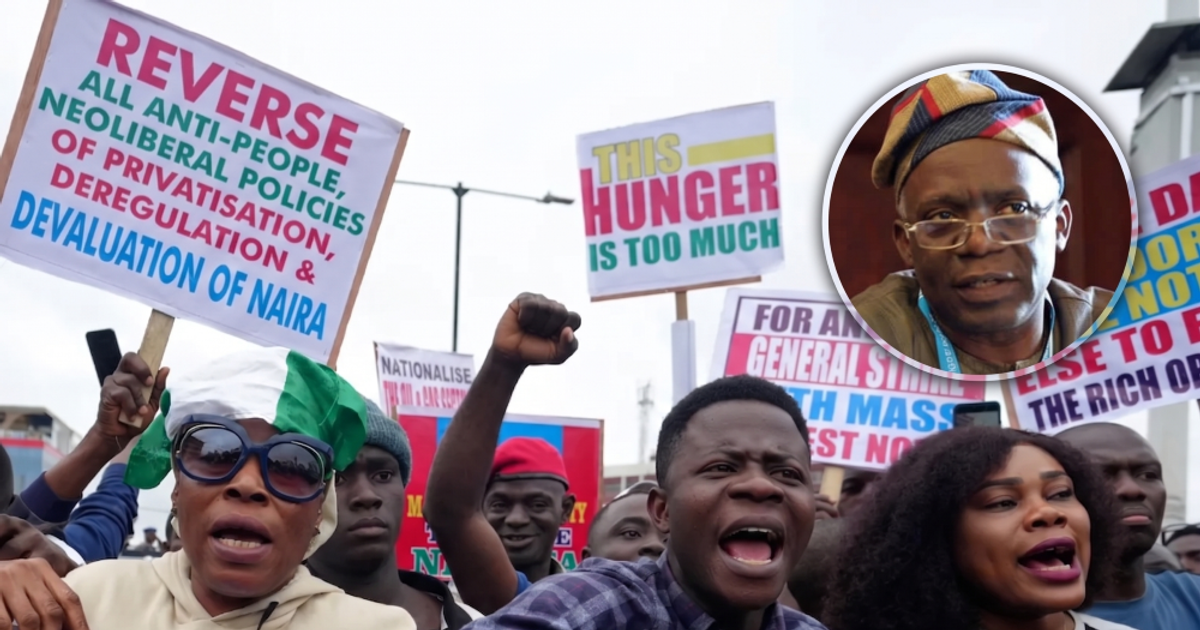
Demonstrations set for major cities as organisers demand urgent government action on food prices, unemployment, and security
Human rights lawyer Femi Falana (SAN), youth groups, and civil society organisations have announced a nationwide protest to hold across major Nigerian cities on Wednesday, June 12, coinciding with the country’s Democracy Day. The organisers say the demonstration aims to spotlight rising insecurity, economic hardship, and governance challenges affecting millions of Nigerians.
According to statements released by the coalition, the protest was deliberately scheduled for June 12 because of its significance in Nigeria’s democratic history. Democracy Day commemorates the legacy of late Chief Moshood Kashimawo Olawale (MKO) Abiola, regarded as winner of the annulled June 12, 1993 presidential election. Organisers insist that this year’s anniversary offers a platform for peaceful citizens’ action on urgent national issues.
The groups behind the protest cite worsening living conditions as a key driver. They highlight soaring food inflation, high unemployment among young people, and persistent threats to security in several states. “Nigerians are facing daily hardships due to high cost of living and lack of job opportunities,” one organiser stated. They have listed their core demands as immediate action on insecurity nationwide; measures to reduce food prices; policies to alleviate economic suffering; job creation for young people; improved accountability from public officials; and protection of citizens’ constitutional rights.
The coalition has emphasised that the planned demonstration will be peaceful and conducted within legal boundaries. “Our intention is not to undermine democracy but to call for urgent intervention from government on issues that affect us all,” an organiser said during a briefing. At press time, federal authorities had not issued any official response regarding the planned protests.
With public concern mounting over inflation and security—as reported by National Bureau of Statistics data showing double-digit inflation rates—this year’s Democracy Day is expected to draw significant attention from both citizens and authorities. Organisers say mobilisation efforts are ongoing in Lagos, Abuja, Port Harcourt, Kano and other cities nationwide.
Nigeria News (Standard)
Nigerians Flood UAE Bank Social Media, Reject Fresh $5bn Loan Request for Tinubu Government
Public outcry follows IMF warning on loan transparency as citizens cite rising debt, economic hardship
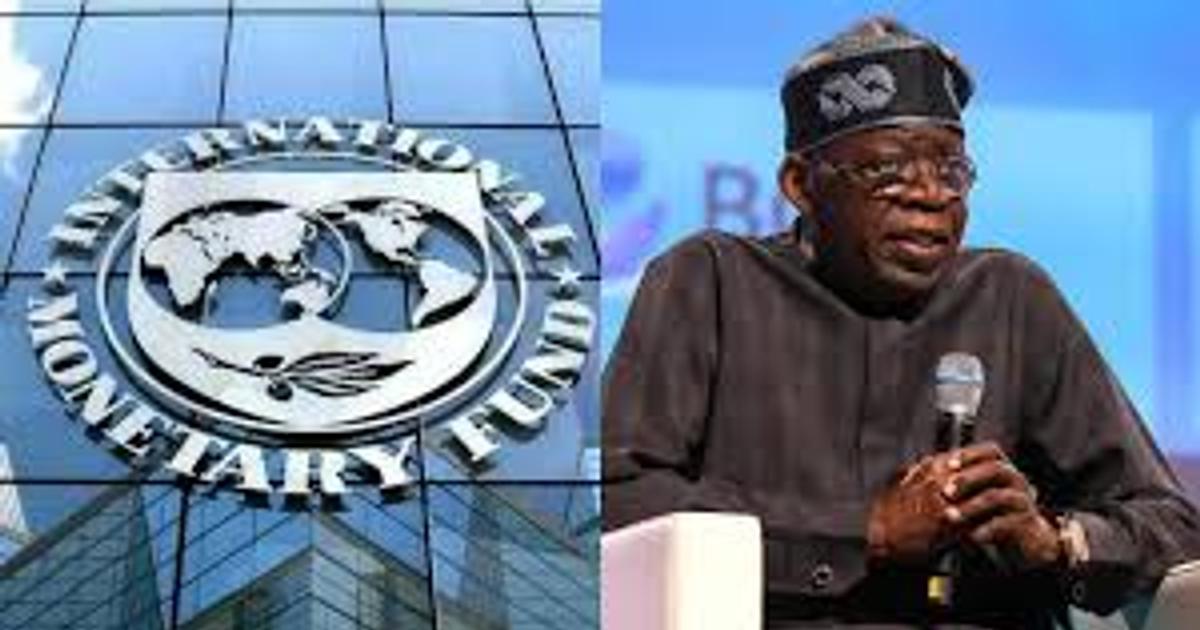
Public outcry follows IMF warning on loan transparency as citizens cite rising debt, economic hardship
Hundreds of Nigerians have taken to the social media platforms of First Abu Dhabi Bank (FAB) in the United Arab Emirates, urging the bank not to approve a proposed $5 billion loan to President Bola Tinubu’s administration. The coordinated online protest, which intensified on Tuesday, came after the International Monetary Fund (IMF) warned that the planned financing arrangement poses significant risks and lacks transparency.
The controversy erupted following the presentation of the IMF’s 2026 Article IV Consultation Report on Nigeria, where IMF Resident Representative Christian Ebeke cautioned that the proposed borrowing—structured as a Total Return Swap (TRS)—could expose Nigeria to hidden financial vulnerabilities. According to Ebeke, such financing models are risky for countries already facing debt challenges, especially if underlying asset values fall or exchange rates deteriorate.
Nigeria’s national debt has continued to mount amid ongoing economic hardship and high inflation, a situation that has fuelled public anger over new external borrowing. Many citizens argue that previous loans have not improved living conditions or infrastructure, and some claim that Nigeria’s resources are adequate if properly managed. On FAB’s social media accounts, users left hundreds of comments demanding the bank refuse any fresh loan requests from government.
One X user, Oluwa Seun, wrote: “Don’t borrow Tinubu money, we don’t need money, we are rich in our country.” Another commenter, Charles Stigberg, insisted: “We heard you want to borrow money to @officialABAT the president of Nigeria for Nigerians… if you borrow that money to him, Nigerians are not to be held accountable for it. Note that over 200million Nigerians aren’t in support.”
The IMF’s intervention has amplified scrutiny of government borrowing practices and raised questions about fiscal responsibility in Abuja. While government officials have yet to respond publicly to the mounting opposition online and from international partners, many Nigerians have signalled they will continue their campaign against further indebtedness. The outcome could impact future foreign financing deals as both lenders and policymakers weigh public sentiment alongside economic necessity.
Nigeria News (Standard)
Zenith Bank’s Adaora Umeoji, Fidelity’s Onyeali-Ikpe Named Among 2026 100 Most Notable Africans Honourees at Marrakech Summit
Recognition highlights growing influence of Nigerian banking sector as top executives join pan-African leaders on prestigious list

Recognition highlights growing influence of Nigerian banking sector as top executives join pan-African leaders on prestigious list
Dr. Adaora Umeoji, Group Managing Director and Chief Executive Officer of Zenith Bank, alongside Dr. Nneka Onyeali-Ikpe, who leads Fidelity Bank, have been announced as honourees for the upcoming 2026 edition of the 100 Most Notable Africans awards at the Marrakech Summit in Morocco. The announcement was made on Tuesday, confirming their inclusion among other distinguished African leaders from various sectors.
The event, which will be held in Marrakech, is set to celebrate influential figures such as Omar Yacoubi Soussane of Morocco and Dr. Emmanuel Fundira, Executive Chairman of ASTOC Leisure Group Inc. from Zimbabwe. Both Umeoji and Onyeali-Ikpe are recognised for their contributions to the financial services sector and their roles in advancing Nigeria’s reputation within Africa’s banking industry.
This recognition comes at a time when Nigeria’s banking sector is experiencing significant transformation and heightened international attention. The inclusion of two leading Nigerian bank executives on the continental list is seen by industry watchers as a testament to the country’s evolving corporate leadership and its impact across Africa.
While official statements from Zenith Bank and Fidelity Bank were not immediately available as at press time, stakeholders within Nigeria’s financial sector have described the honours as well deserved. Financial analysts note that such accolades reinforce confidence in local talent and underscore Nigeria’s ongoing influence in shaping the future of banking on the continent.
The Marrakech Summit is expected to bring together key players from across Africa to discuss leadership and innovation, with award recipients serving as models for excellence in their respective fields. The event will also provide a platform for networking among honourees and further collaboration across borders.
Falana, Youth Groups Launch Nationwide Protest on June 12 Over Insecurity, Economic Hardship
Nigerians Flood UAE Bank Social Media, Reject Fresh $5bn Loan Request for Tinubu Government
Martinez Refuses to Promise Ronaldo Starting Spot After Nigeria Friendly
Zenith Bank’s Adaora Umeoji, Fidelity’s Onyeali-Ikpe Named Among 2026 100 Most Notable Africans Honourees at Marrakech Summit

Neymar and Kylian Mbappé Spark Baby-Naming Craze Across South America Ahead of World Cup

New York Pays Tribute to Thierry Henry and Pele With Street Renaming Ahead of World Cup Kickoff
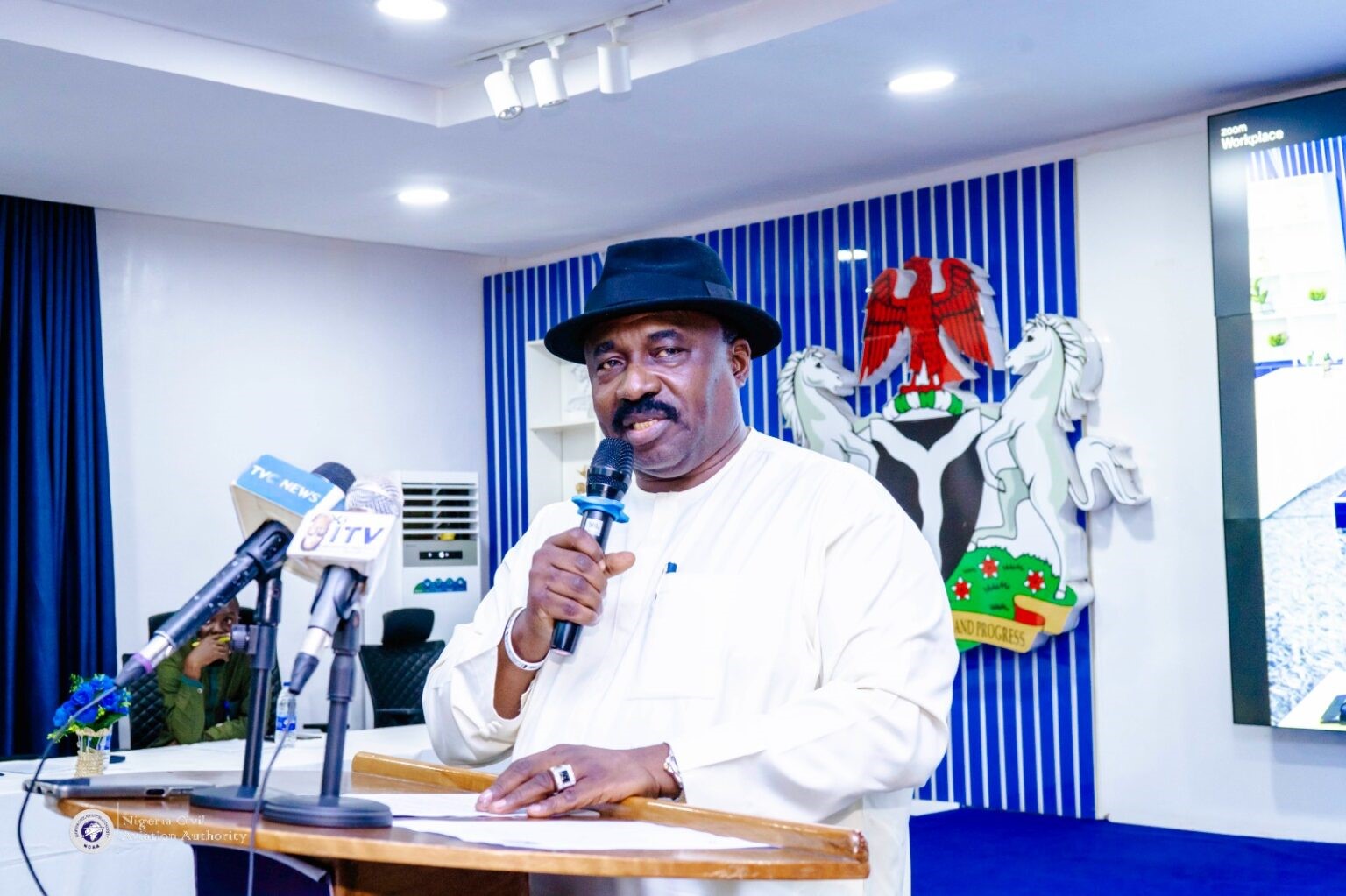
NCAA Suspends Permit of Operator After Aircraft Lands on Roadway Near Asaba

Former Real Madrid Manager Set to Take Charge of Iwobi and Bassey at Club Level

Canadian Pilot Faces Charges After Flying Over 900 Commercial Flights With Fake Licence

Delta Lawmakers Demand INEC Implements Supreme Court Order on Warri Federal Constituency Delineation
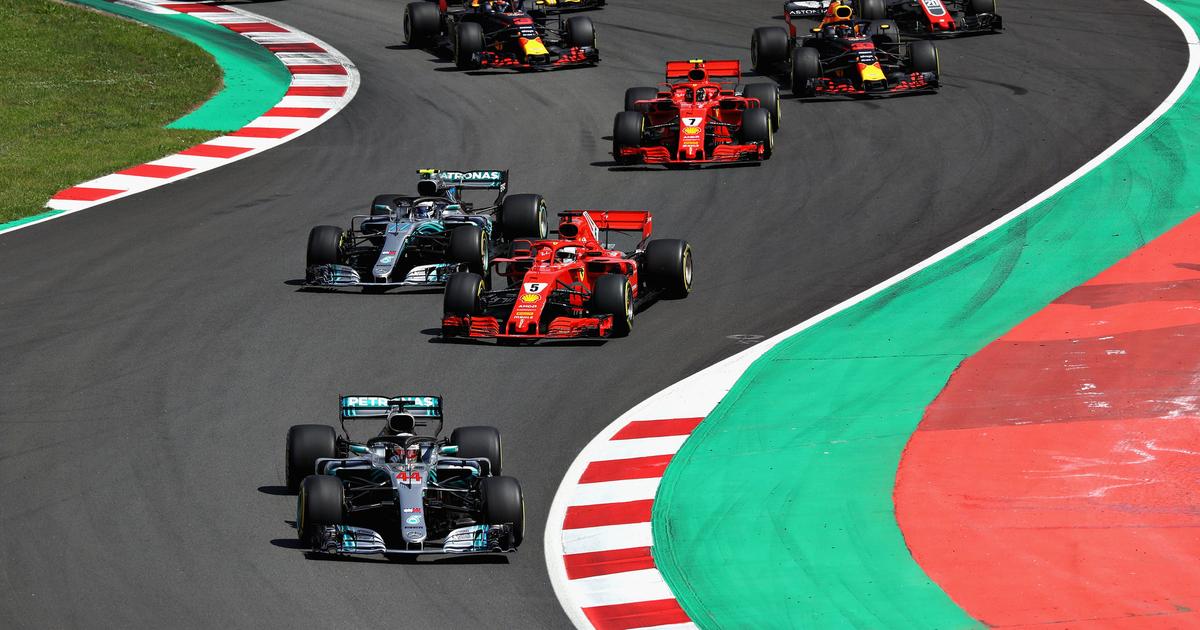
FG Launches $500m Abuja Formula 1 Bid, Targets Africa’s First Grand Prix Since 1993

Moniepoint Graduates Second DreamDevs Cohort in Lagos to Strengthen Nigeria’s Engineering Workforce

Gọvanmenti Nigeria Kwupụtara 53 Orù Anyanwụ Maka Ike Ọhụrụ N’iru Afọ 2050

Why More Nigerians Are Searching for Casino Bonuses—and What You Should Know Before Claiming

Fresh Romance Rumours Trail Lando Norris as Alix Earle Sparks Drama in Monaco
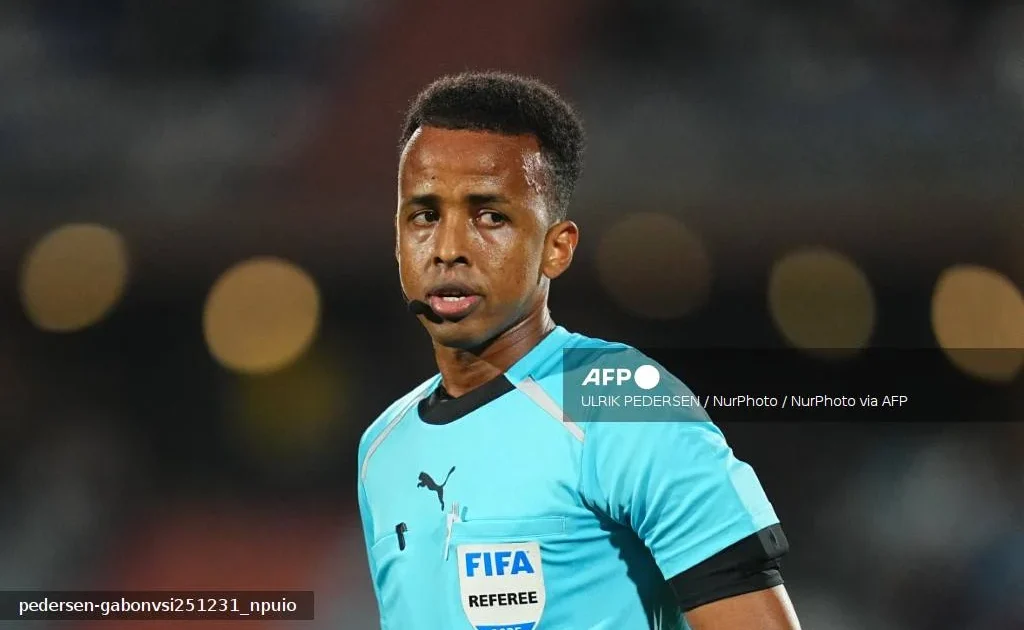
Somali Referee Omar Artan Blocked From US World Cup Over Visa Row, Misses Dream Debut
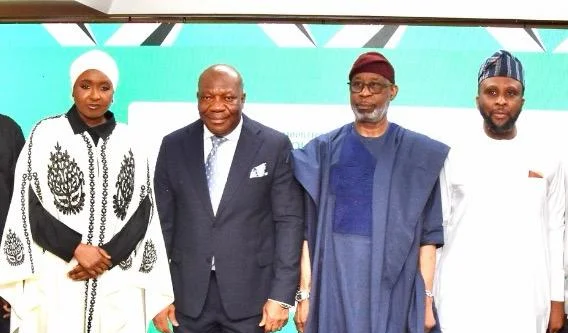
Federal Government Launches Mining Grants for Research and Exploration Across Nigeria
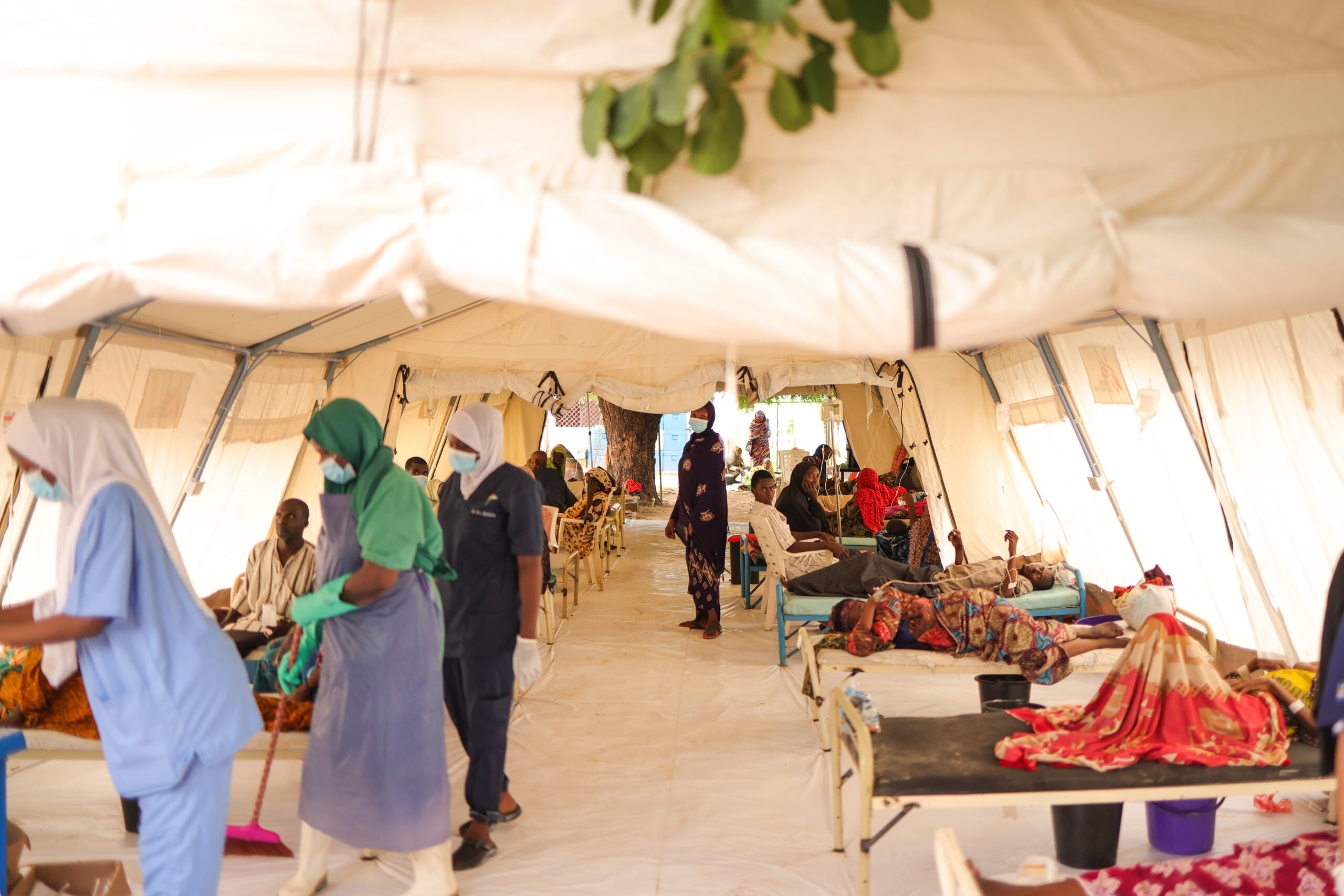
Borno State Records 74 Deaths as Cholera Outbreak Overwhelms Health Facilities
Ụlọ akụ Nigeria Welie Ogo Ego Naira Maka Ịkwụ Ụgwọ Mba Ọzọ N’ihi Ndokwa N’ahịa Ego Mpụga