Nigeria News (Standard)
Senate Leader Bamidele Says NASS Will Pass State Police Bill This Week Amid Security Concerns
Move follows rising insecurity nationwide as lawmakers debate constitutional amendment; Senate rejects probe into military spending
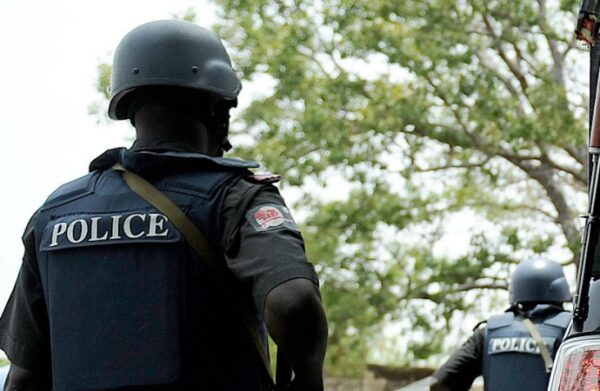
Move follows rising insecurity nationwide as lawmakers debate constitutional amendment; Senate rejects probe into military spending
The Senate Leader, Senator Opeyemi Bamidele (APC, Ekiti Central), has announced that the National Assembly will pass the constitutional amendment bill establishing state police within the week. Bamidele disclosed this development on Tuesday in Abuja, citing Nigeria’s worsening security challenges as a major reason for the urgent reform.
According to Bamidele, who spoke on recent legislative proceedings, the decision to fast-track the bill comes as lawmakers intensify efforts to address rising cases of armed attacks and kidnapping across the country. The proposed amendment seeks to give legal backing to state police operations, a move long demanded by various stakeholders amid persistent calls for more decentralised security structures.
He explained that while insecurity remains a pressing national issue, the Senate chose not to endorse a motion seeking an investigation into military expenditure at this time. “The issue of insecurity is one about which no serious, God-fearing public official can pretend any longer. It is a major issue,” Bamidele said. He noted that although there are arguments over whether the situation is improving or deteriorating, current realities demand a pragmatic approach rather than assigning blame or putting the armed forces on trial during ongoing operations.
Bamidele further stated that Nigeria’s military has been operating under extremely difficult circumstances, especially since Boko Haram and other armed groups shifted from conventional warfare to guerrilla tactics. He recounted how territories once held by insurgents had been reclaimed through military action but warned that unconventional threats continue to test security agencies and government resources.
On the Senate’s refusal to probe military spending, Bamidele said it would be counterproductive to place the nation’s armed forces under scrutiny while they are engaged in active conflict. He emphasised the sacrifices made by both officers and their families and stressed that sensitive information must be managed carefully even as government remains accountable.
As at press time, opposition lawmakers have not issued an official statement on either the state police bill or the rejected motion for a military probe. The passage of the state police bill is expected to significantly alter Nigeria’s security architecture if adopted by two-thirds of state assemblies as required by law.
Source: https://punchng.com/nass-will-pass-state-police-bill-this-week-senate-leader/
Nigeria News (Standard)
US Ambassador Places Nigeria on Watch List Over Humanitarian Concerns in Abuja
Mary Leonard cites worsening humanitarian situation as reason; Federal Government yet to issue formal response
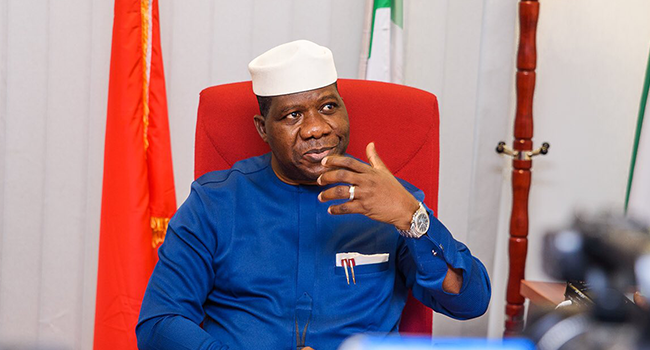
Mary Leonard cites worsening humanitarian situation as reason; Federal Government yet to issue formal response
The United States has placed Nigeria on its watch list due to the ongoing humanitarian challenges in the country, according to the US Ambassador to Nigeria, Ms Mary Leonard. Leonard made this known in Abuja on Tuesday while explaining Washington’s recent decision regarding Nigeria’s status.
According to Leonard, the action was taken after careful consideration of the humanitarian issues affecting communities across several states. She noted that the watch list designation is aimed at drawing attention to the severity of the situation and encouraging collaborative efforts between both countries. The ambassador did not specify particular states or incidents but stressed that the US is concerned about deteriorating conditions.
The move comes amid growing reports of displacement and hardship in areas affected by insecurity and economic hardship. Several local and international agencies have highlighted increasing food insecurity, displacement, and access challenges faced by citizens, especially in the North-East and North-West geopolitical zones. These issues have continued to attract global attention as humanitarian needs rise.
While addressing reporters, Leonard explained that “the United States takes its commitment to human rights and humanitarian support seriously.” She said placing Nigeria on the watch list should be seen as a call for renewed partnership in addressing root causes. The Federal Government had yet to release an official statement responding to the US action as at press time.
It remains unclear if this designation will trigger new sanctions or alter existing bilateral programmes between Abuja and Washington. However, diplomatic observers expect further dialogue between Nigerian authorities and US officials in coming weeks to clarify next steps and discuss possible support measures for affected communities.
Nigeria News (Standard)
INMA CEO Urges Lagos Media Houses to Strengthen Brand Identity Amid AI Surge
Earl Wilkinson warns Nigerian publishers on risk of ‘swamp of sameness’ as AI-generated news content rises
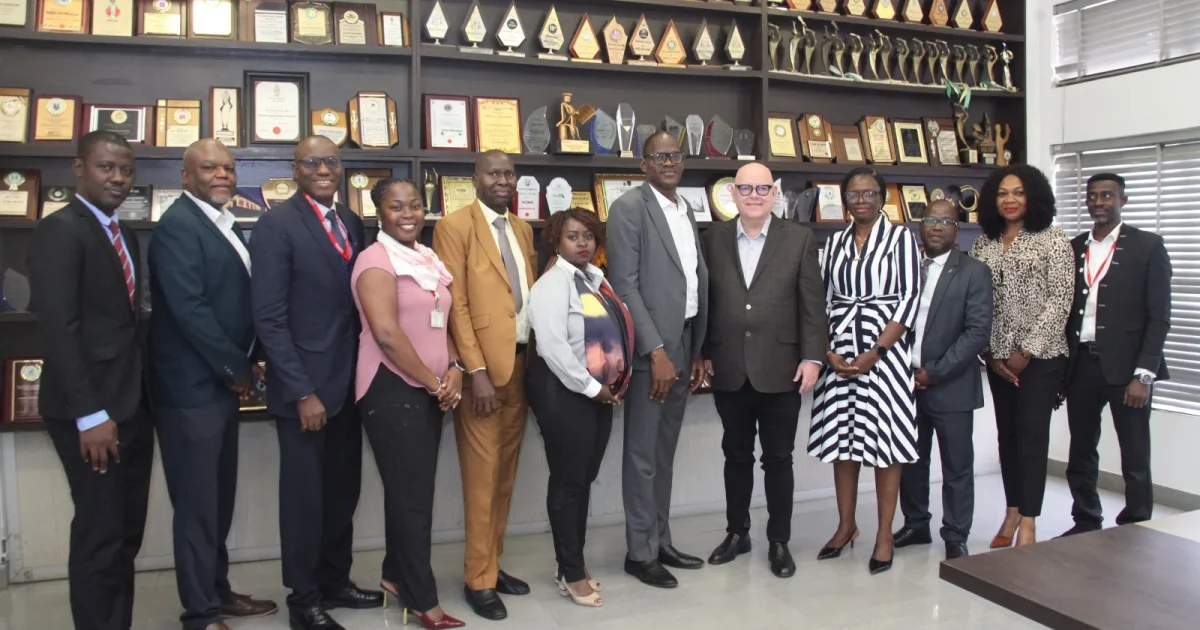
Earl Wilkinson warns Nigerian publishers on risk of ‘swamp of sameness’ as AI-generated news content rises
The Chief Executive Officer of the International News Media Association, Earl Wilkinson, has advised media organisations in Lagos to prioritise building trust and a distinct brand identity to survive the growing influence of artificial intelligence in newsrooms. Wilkinson made this call during a courtesy visit to PUNCH Place along the Lagos-Ibadan Expressway on Wednesday, where he delivered a presentation on the future of journalism in the AI era.
Wilkinson, accompanied by Doreen Mbaya, Africa Division Manager of INMA, emphasised that media outfits must focus less on mere audience reach and more on establishing clear editorial identities and direct relationships with their readers. He said, “It’s now about the relationship. To build a relationship, you have to be a brand that people remember. You must have consistency and an emotional connection. Do people trust you? You have to figure out who you are. The decade ahead belongs to those who are unmistakably themselves.”
He explained that as artificial intelligence becomes more common in content production globally, news organisations risk losing their uniqueness if they rely too heavily on similar tools and automated systems. According to him, “AI is rising, and we are sinking into a swamp of sameness. Our objective is to differentiate, differentiate, differentiate from that swamp of sameness.”
Wilkinson also pointed out that for Nigerian publishers to thrive financially in this environment, they must invest in data infrastructure and understand readers’ preferences deeply. He noted that while digital subscriptions and paywalls may become more necessary for sustainability, many Nigerians are yet to fully embrace paid online news models. “If you don’t know your people, if you don’t know who your readers are, you’re going to struggle,” Wilkinson added.
He further highlighted that the battle for audience trust and credibility remains as intense in Nigeria as it is in Western countries. With the rapid growth of AI-generated content making it harder for individual outlets to stand out, Wilkinson urged local publishers to double down on original reporting and editorial credibility going forward.
Source: https://punchng.com/ai-era-media-survival-depends-on-trust-identity-inma-ceo/
Nigeria News (Standard)
Kano Youths Burn Obi, Kwankwaso Posters as NDC Faces Resistance in North-West
Arewa Consultative Forum says party remains largely unknown; elite, voters question credibility of political alliances
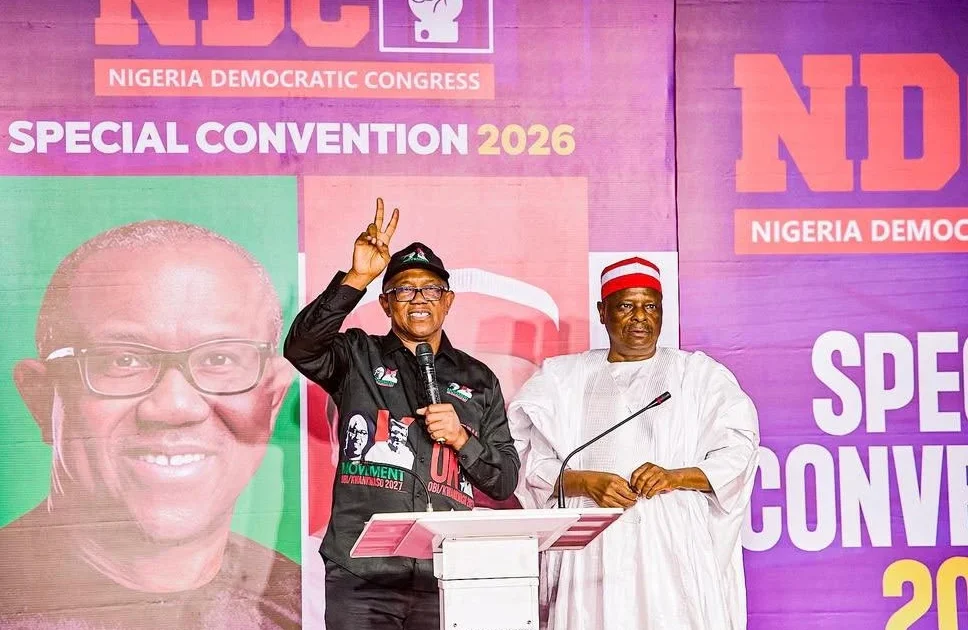
Arewa Consultative Forum says party remains largely unknown; elite, voters question credibility of political alliances
The presidential bid of former Anambra State Governor Peter Obi and his running mate, ex-Kano Governor Rabiu Kwankwaso, is encountering serious opposition from political stakeholders and voters across the North-West region, especially in Kano State. On Tuesday, angry youths in Ungogo Local Government Area reportedly set fire to campaign posters of both candidates amid rising discontent with the Nigeria Democratic Congress (NDC) ahead of the 2027 elections.
Findings indicate that northern leaders have begun warning their supporters against backing the NDC, with some WhatsApp messages circulating in the region labelling Obi and Kwankwaso as ‘haram’ or forbidden. The development comes as some politicians who recently joined the NDC have already decamped back to their former parties. Notably, Kano State House of Assembly member Muhammad Tomas, who left the All Progressives Congress (APC) for NDC, has now returned to APC.
The National Publicity Secretary of the Arewa Consultative Forum (ACF), Prof. Tukur Muhammad-Baba, told journalists on Saturday that NDC lacks visibility among northern voters and remains largely unknown at grassroots level. He noted that while Obi and Kwankwaso attract media attention nationally, their actual support base in the North is now uncertain. “There is even doubt about whether Kwankwaso can still hold on to Kano, where he recorded his most impressive performance in the last election. Apart from Kano, his influence in many parts of the North remains uncertain,” Muhammad-Baba said.
He further explained that frequent movement of politicians across parties has created confusion among voters, while many are now sceptical about alliances between former rivals. “The average northerner is tired of being told that having a northern candidate or a Muslim-Muslim ticket is the solution to Nigeria’s problems. People are becoming more careful because previous expectations have not produced the desired results,” he added.
With rising scrutiny of opposition leaders’ records and shifting alliances, political observers say northern elites and ordinary voters alike are increasingly cautious ahead of 2027. The situation presents a major hurdle for Obi and Kwankwaso as they seek broader acceptance for their joint ticket within key constituencies in the North.
Source: https://punchng.com/2027-obi-kwankwaso-bid-faces-northern-resistance/

John Terry Says Super Eagles’ World Cup Miss Is a Blow as DR Congo Edge Nigeria in Dramatic Qualifier
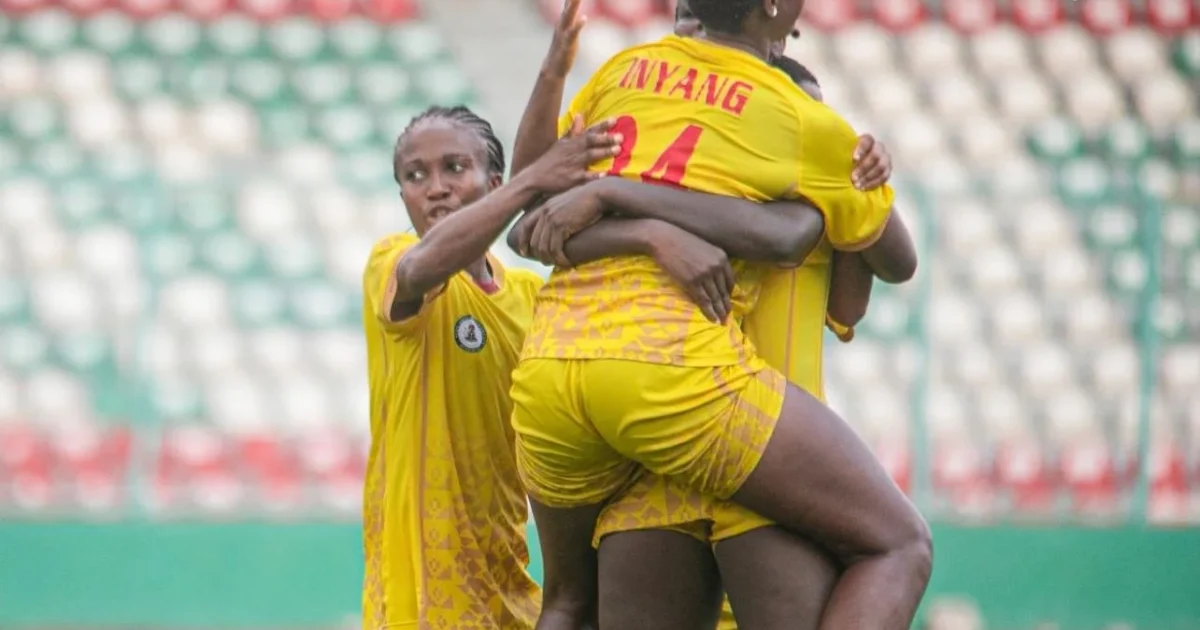
Chioma Moses Nets Four as Edo Queens Smash Abia Angels 6–2 in Port Harcourt NWFL Super Six
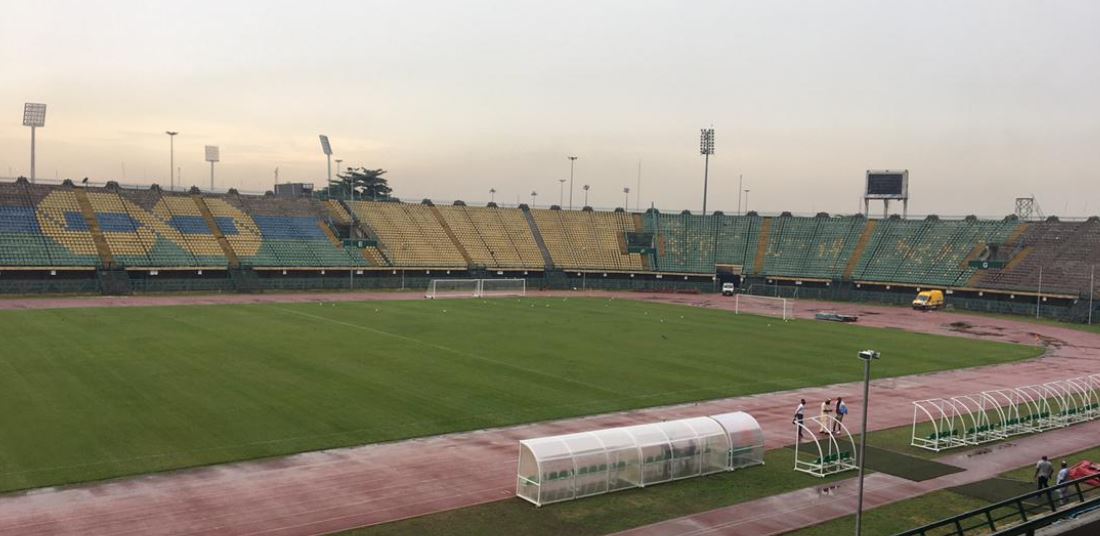
Prime Atlantic Squash Tournament Set for Lagos Return as Top Talents Eye Glory
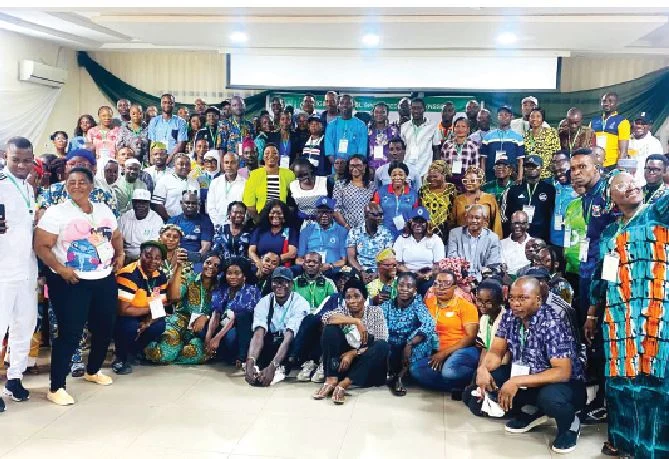
Lagos Teachers Get Olympic Training Boost as NSSF, NOC Empower 150 with Sports Values

Celtic Boss O’Neill Faces Big Call on Iheanacho’s Future After Title-Winning Season

Oshoala Urges Fans to Back Super Falcons After Five-Goal Senegal Rout Ahead of WAFCON Defence
US Ambassador Places Nigeria on Watch List Over Humanitarian Concerns in Abuja
INMA CEO Urges Lagos Media Houses to Strengthen Brand Identity Amid AI Surge
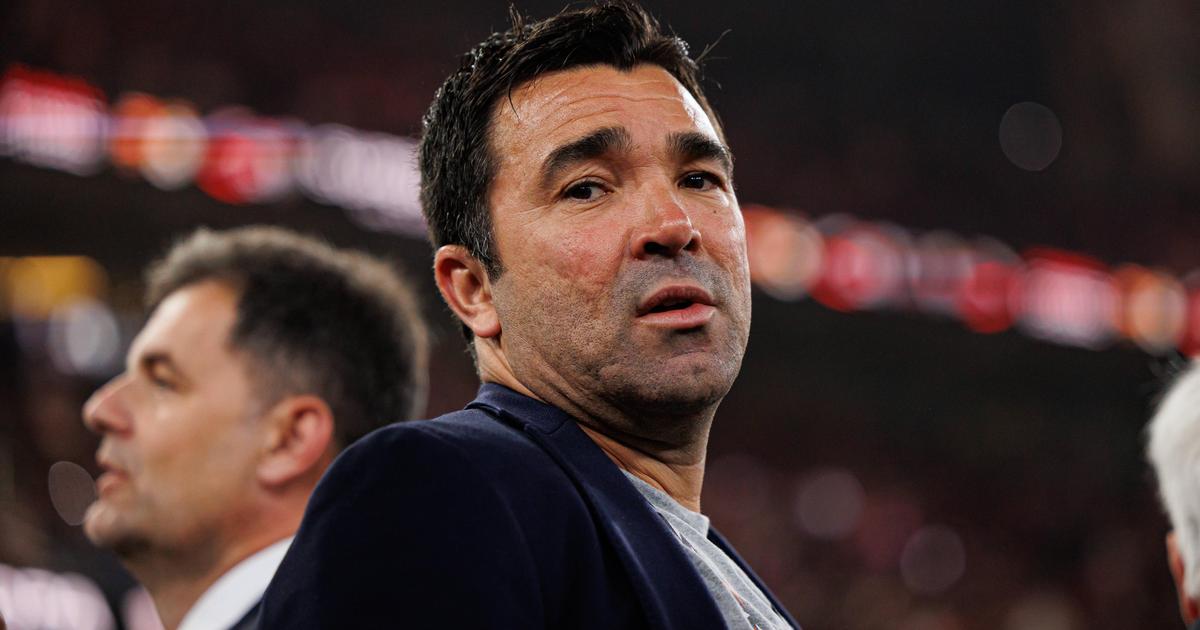
Barcelona Snap Up Egyptian Striker Ahead of Osimhen and Alvarez in Surprise Transfer Move
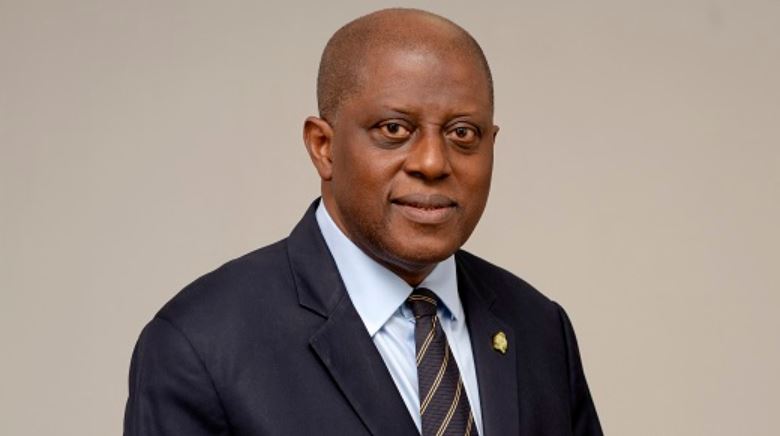
Ụlọ akụ Nigeria Welie Ogo Ego Naira Maka Ịkwụ Ụgwọ Mba Ọzọ N’ihi Ndokwa N’ahịa Ego Mpụga

Why More Nigerians Are Searching for Casino Bonuses—and What You Should Know Before Claiming

Fresh Romance Rumours Trail Lando Norris as Alix Earle Sparks Drama in Monaco
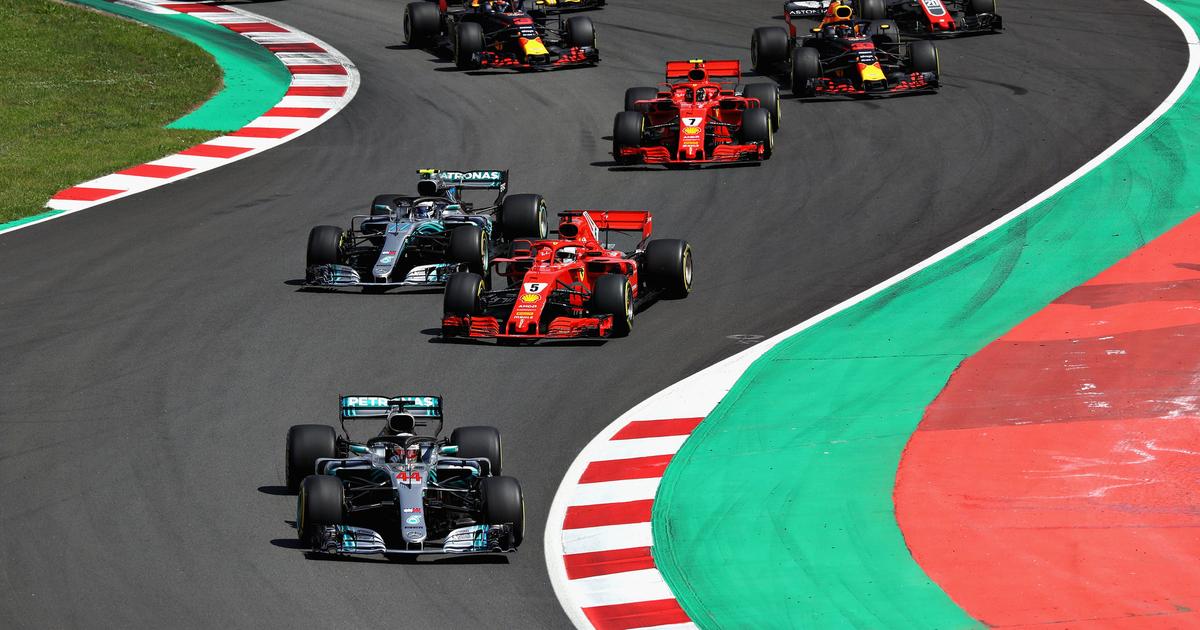
FG Launches $500m Abuja Formula 1 Bid, Targets Africa’s First Grand Prix Since 1993
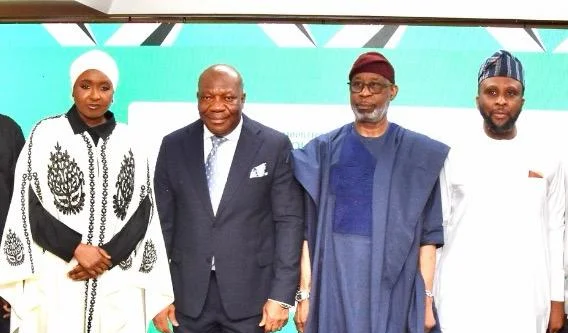
Federal Government Launches Mining Grants for Research and Exploration Across Nigeria
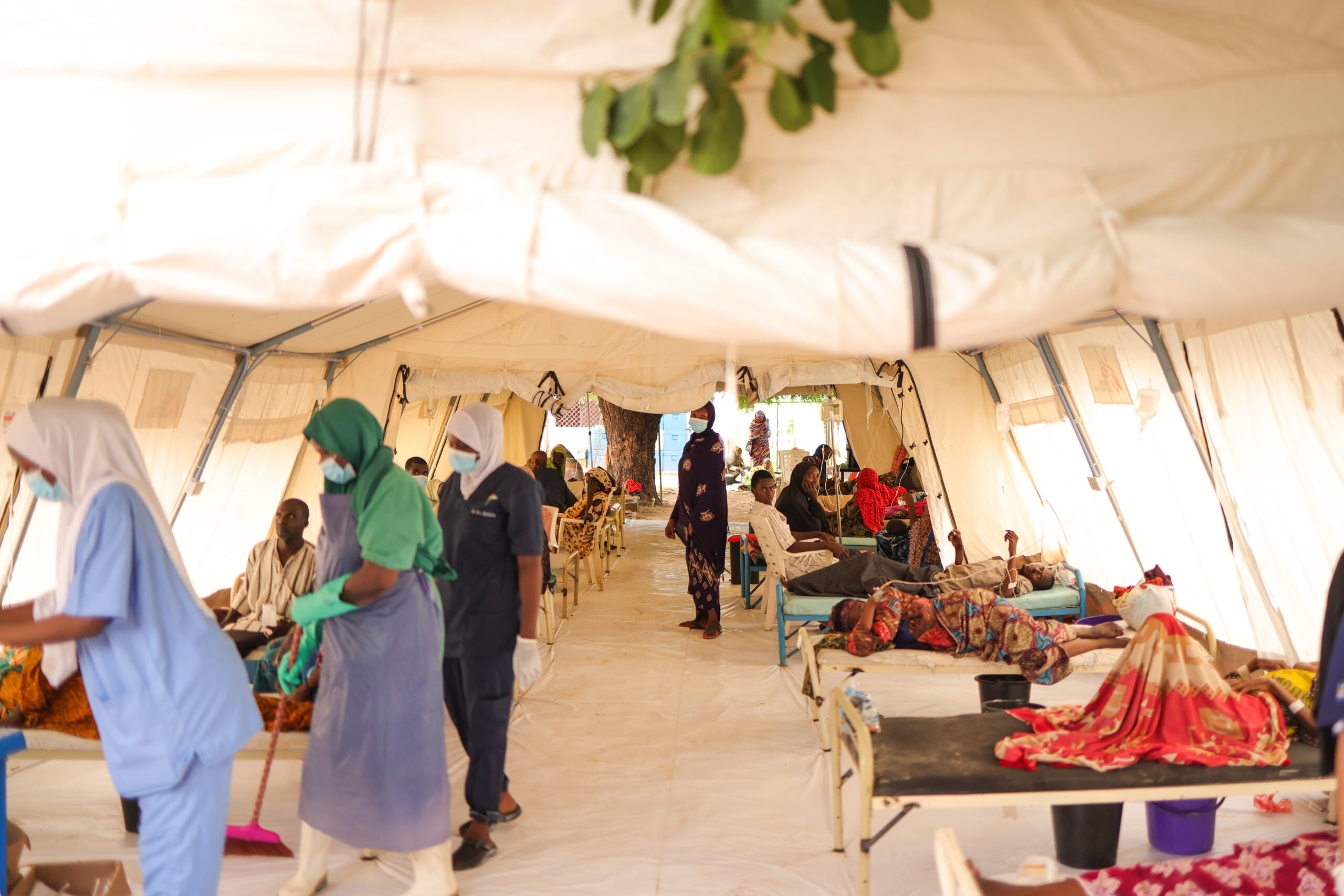
Borno State Records 74 Deaths as Cholera Outbreak Overwhelms Health Facilities
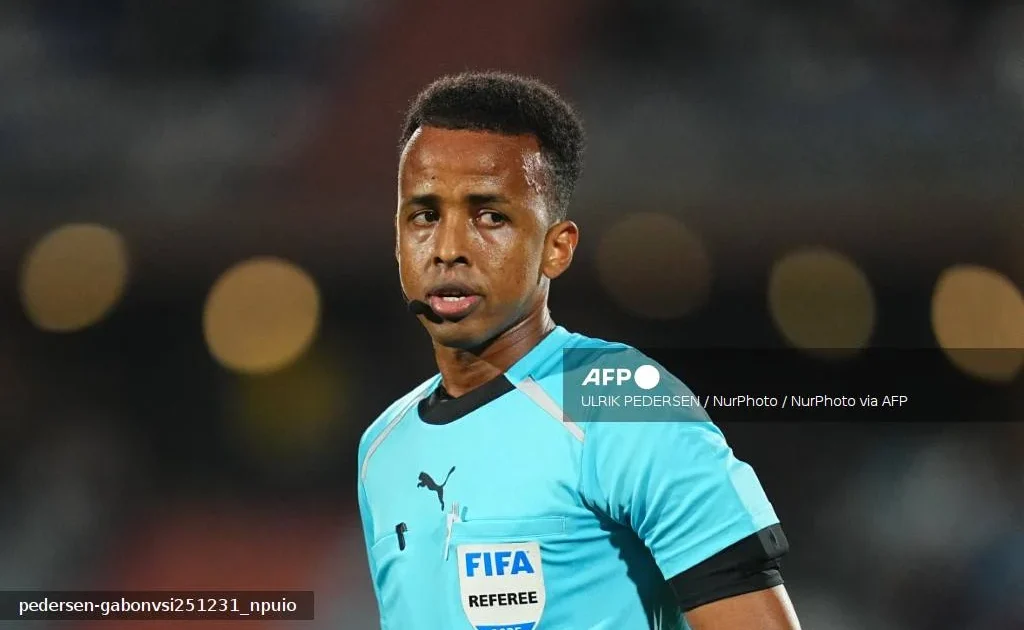
Somali Referee Omar Artan Blocked From US World Cup Over Visa Row, Misses Dream Debut
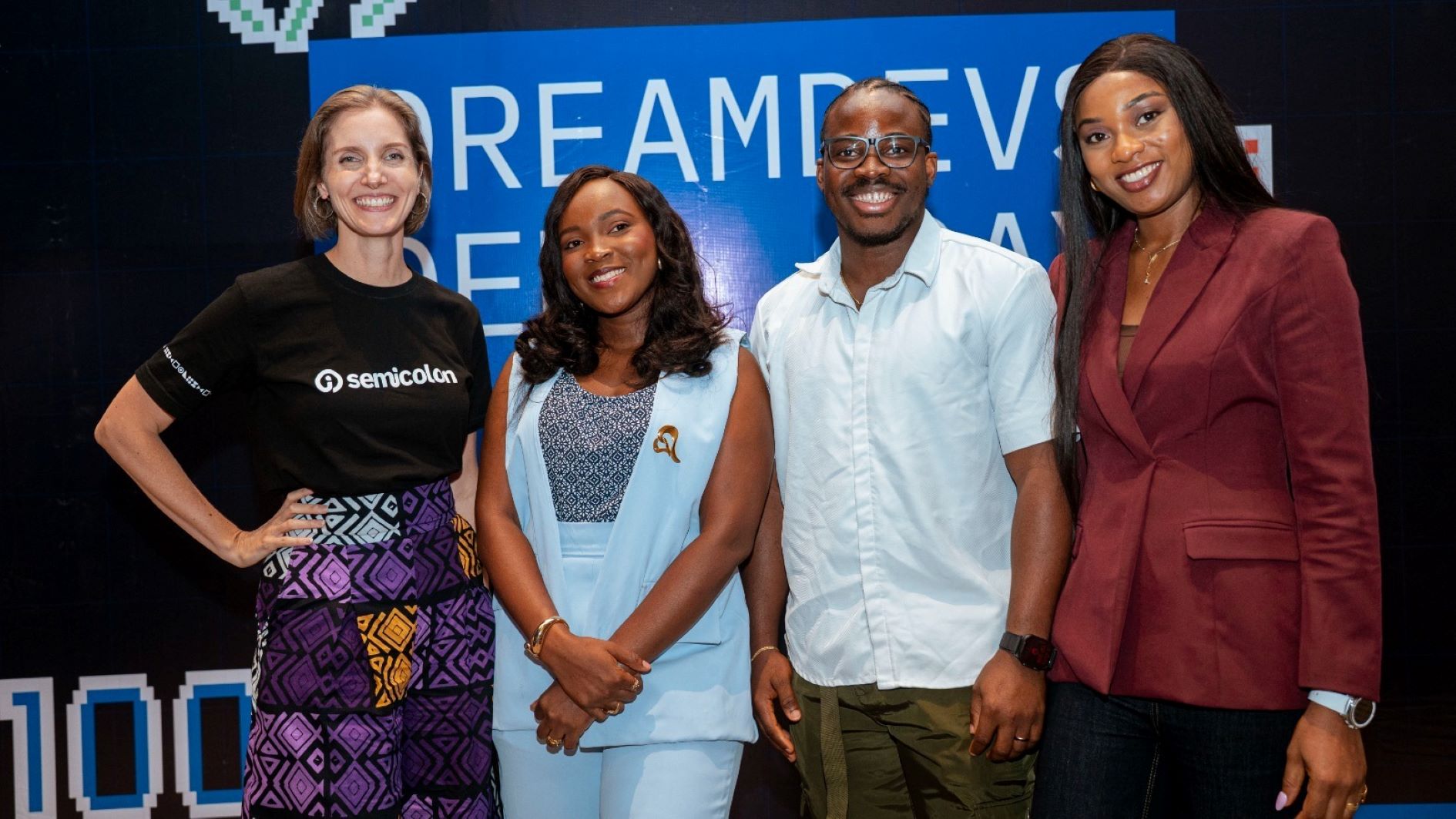
Moniepoint Graduates Second DreamDevs Cohort in Lagos to Strengthen Nigeria’s Engineering Workforce

Kaduna Organisers Hand Over Polo Charity Event to Pupils for Children’s Day Celebration
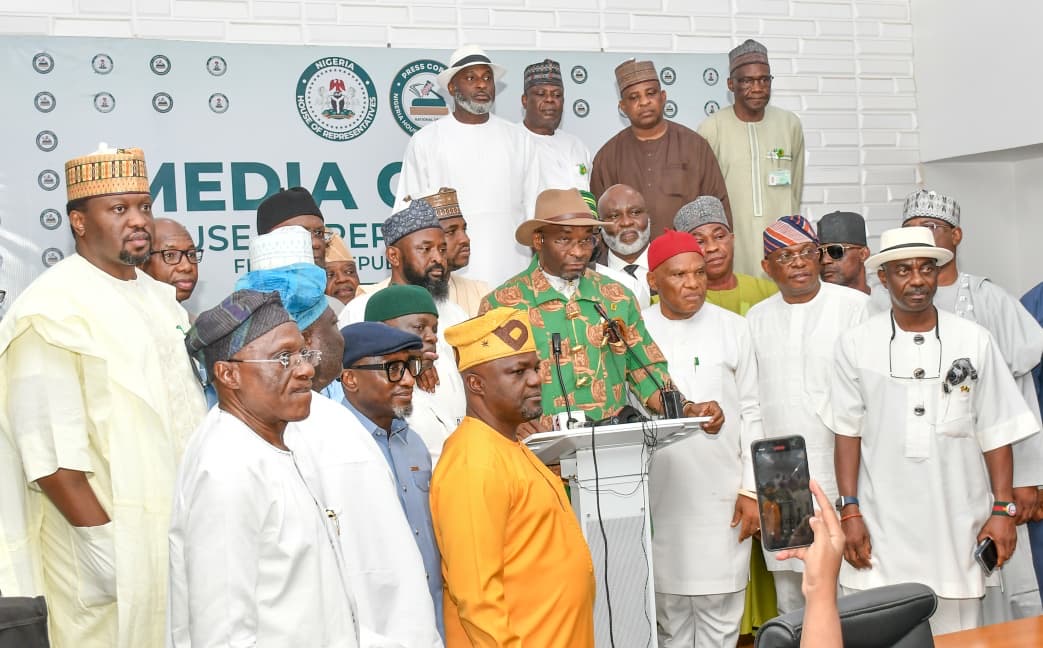
House of Representatives Sets Thursday Vote on State Police Proposal