
Nigeria News (Standard)
Geologists Report Rift in East Africa, Warn of Possible Future Split in Continent
Experts say tectonic activity in Ethiopia, Kenya, and Tanzania may form new ocean over millions of years
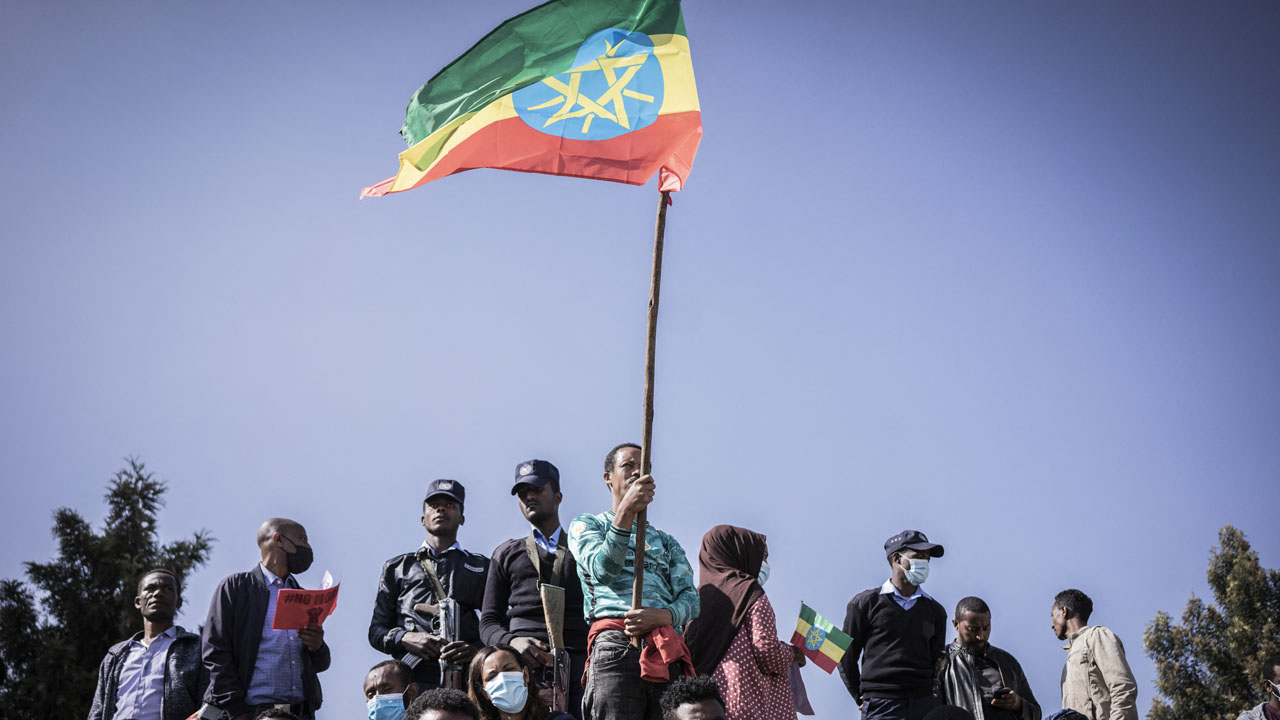
Experts say tectonic activity in Ethiopia, Kenya, and Tanzania may form new ocean over millions of years
Geologists have confirmed that the East African Rift is showing increasing signs of continental separation, with evidence suggesting the African landmass is gradually fracturing along the boundary between the Nubian, Somali, and Arabian tectonic plates. The latest observations were made public on Thursday, following extensive satellite radar and field studies across Ethiopia, Kenya, and Tanzania.
Researchers disclosed that the rift zone, which extends for over 3,000 kilometres from the Red Sea down to Mozambique, is generating surface cracks as well as new oceanic crust beneath certain parts of East Africa. This process may eventually result in the continent splitting into two distinct landmasses within the next five to ten million years. According to Christopher Moore, a doctoral researcher at the University of Leeds who has studied the phenomenon extensively, “This is the only place on Earth where you can study how a continental rift becomes an oceanic rift.”
The significance of this development is not lost on many Nigerians and Africans at large. The East African Rift’s geological evolution could impact future climate patterns and even influence economic activities in affected countries. While experts emphasise that such changes will occur over a long timescale, there are concerns about how communities living along the rift may face displacement or altered landscapes as fissures widen.
Geophysicists monitoring the situation highlighted that satellite technology has enabled them to track movements along fault lines with unprecedented accuracy. Field studies have also recorded periodic seismic activity and widening cracks in populated areas within Ethiopia and Kenya. However, they maintained that immediate risks to local communities remain low for now.
As research continues, authorities across East Africa are being urged to factor these geological findings into long-term urban planning and disaster preparedness strategies. Meanwhile, scientific teams plan to expand their monitoring efforts to ensure early warning systems are in place if significant changes accelerate unexpectedly.
Source: https://guardian.ng/life/odd-news/is-africa-splitting-in-two-geologists-think-so/
Nigeria News (Standard)
Abuja Women Leaders Push Cross-Sector Partnerships to Strengthen Female Influence in Decision-Making
Senior figures from law, health, finance and government meet in FCT to demand shift from token representation to real power

Senior figures from law, health, finance and government meet in FCT to demand shift from token representation to real power
Women leaders from various sectors gathered in Abuja on Tuesday for the Women in Leadership Cross-Sector Convening, urging a united approach to boost women’s presence and influence in national decision-making. The event brought together senior and emerging professionals from law, health, finance, agriculture, government and civil society to tackle barriers limiting female leadership across Nigeria.
Key speakers at the conference included Organisation Effectiveness Consultant Habiba Balogun; WILAN Global Founder and Executive Director Abosede George-Ogan; Regional Director for Africa Centre For International Private Enterprise Lola Adekanye; and Founder of Will Way Paradigm Dolapo Agbede. They stressed the importance of breaking down sector-based silos and building strategic alliances to ensure women move beyond symbolic roles to actively shaping policies and institutional cultures at every level.
This call for collaboration comes as gender parity remains a challenge in Nigeria’s public and private sectors. Despite increased advocacy for female participation, women are still underrepresented in leadership positions. The Abuja convening provided a platform for participants to share strategies on fostering systemic change rather than settling for mere inclusion. Speakers highlighted that sustainable national growth requires women not just occupying seats at the table but also contributing meaningfully to decisions that affect society.
“Women must be empowered to influence outcomes at the highest levels,” said Habiba Balogun during her address at the event. Other panellists echoed this sentiment, noting that bridging divides between industries will accelerate progress towards gender equity nationwide.
Participants resolved to strengthen networks between professional bodies, advocacy groups and policymakers in order to drive reforms that support women’s advancement. The organisers indicated that follow-up sessions will focus on practical measures for implementation, aiming to translate discussions into actionable policy changes affecting governance and business practices.
Nigeria News (Standard)
NSE Inducts 214 Engineers as Fellows in Abuja, Urges Federal Government to Address Soaring Cost of Living
NSE President Ali Alimasuya Rabiu calls for urgent action on insecurity and economic hardship during induction ceremony
NSE President Ali Alimasuya Rabiu calls for urgent action on insecurity and economic hardship during induction ceremony
The Nigerian Society of Engineers (NSE) inducted 214 engineers into its Fellowship cadre during the Second Quarter Dinner held in Abuja on Tuesday. The event, which brought together leading professionals from across the country, saw NSE President Ali Alimasuya Rabiu task the Federal Government with taking decisive measures to tackle Nigeria’s rising cost of living and escalating insecurity.
Speaking at the ceremony, Rabiu emphasised that government must prioritise the safety and welfare of citizens amid persistent economic hardship and a surge in criminal activities such as kidnappings nationwide. His remarks were contained in a statement signed by the Society’s Acting Executive Secretary, Abdulkadir Aliyu, and made available to journalists in Abuja.
The induction comes at a time when many Nigerians are grappling with inflation and job losses, with official figures from the National Bureau of Statistics (NBS) showing double-digit inflation for several consecutive months. Analysts have linked the current economic hardship to factors including naira depreciation and reduced purchasing power, further straining households across all geopolitical zones.
Rabiu reaffirmed NSE’s commitment to supporting national development efforts through collaboration with government, academia, industry players and other stakeholders. He stated: “The current situation demands stronger cooperation among all sectors so we can find sustainable solutions to Nigeria’s challenges.” The NSE president also warned that failure to address insecurity would undermine progress in all other areas.
While the Federal Government has announced new social intervention programmes in recent months, critics say more comprehensive policies are needed to reverse worsening living conditions. The newly inducted fellows are expected to contribute their expertise toward tackling these national challenges as part of their professional mandate.
Nigeria News (Standard)
Rainstorm Kills Two, Destroys Houses in Kirfi LGA, Bauchi State
Police confirm deaths of woman and granddaughter as storm ravages Katsinawa, Bara Village, leaving residents homeless
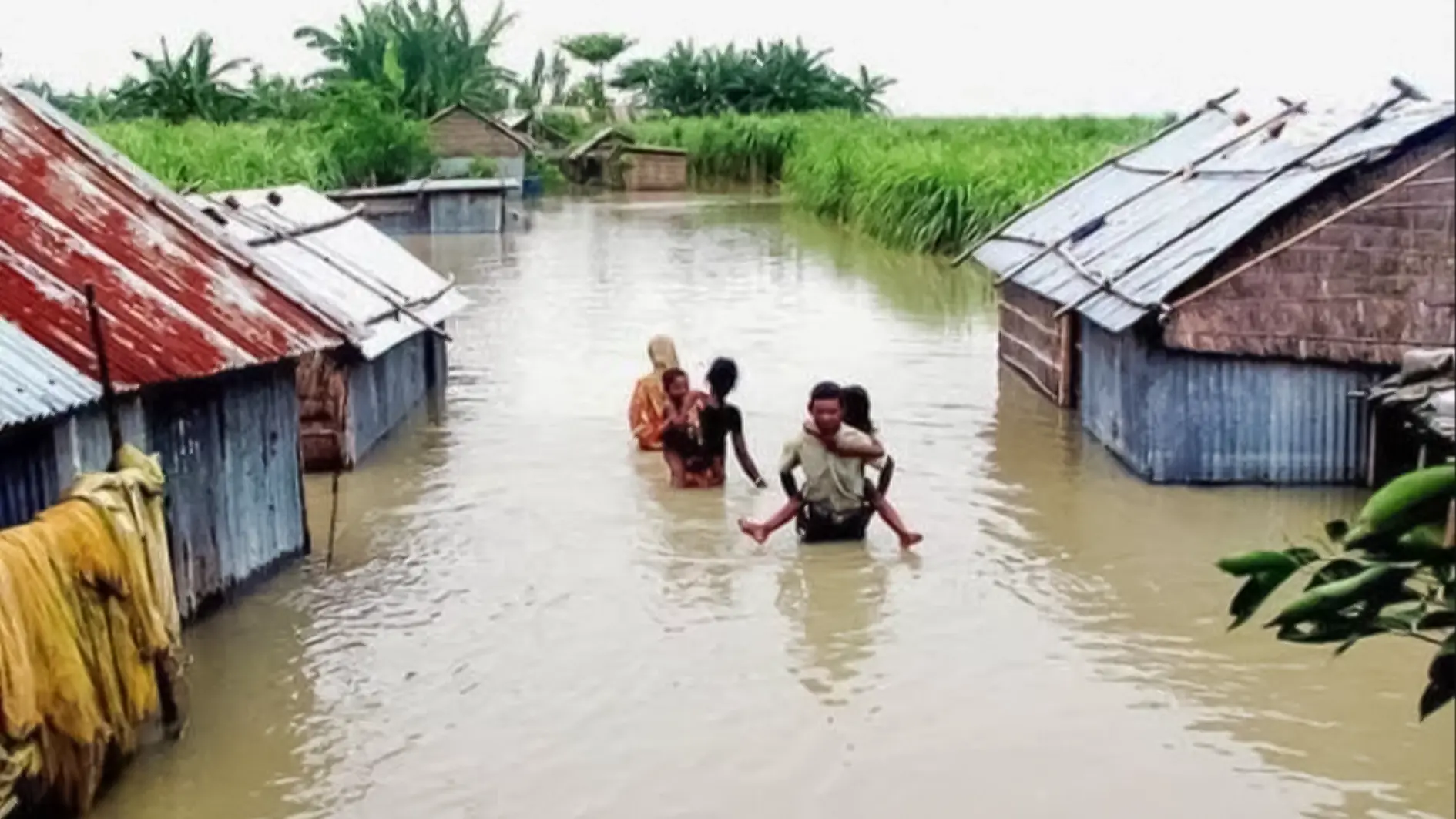
Police confirm deaths of woman and granddaughter as storm ravages Katsinawa, Bara Village, leaving residents homeless
A powerful rainstorm swept through Katsinawa, Bara Village in Kirfi Local Government Area of Bauchi State on Wednesday morning, claiming the lives of a 50-year-old woman, Aisha Sagir, and her four-year-old granddaughter, Aisha Shuaibu. The incident occurred at about 10:00 a.m. on June 10, according to the Bauchi State Police Command.
Residents said the rainstorm was accompanied by strong winds that brought down several houses and destroyed livestock and other valuables worth millions of naira. The destruction has left many families displaced as they struggle to salvage what remains of their property in the aftermath of the storm.
Bauchi State is currently in its rainy season, and communities like Katsinawa often face severe weather events that threaten lives and livelihoods. The latest tragedy highlights ongoing concerns over inadequate infrastructure and disaster preparedness in rural parts of North-East Nigeria.
In a statement issued on behalf of the Commissioner of Police, SP Nafiu Abubakar, spokesperson for the command, confirmed that officers from Kirfi Division had visited the scene to assess the damage and maintain order among affected residents. “Preliminary reports indicate significant loss of property and two fatalities,” Abubakar said. He added that the command had sent a message of sympathy to the state government and assured residents of continued security presence.
As at press time, emergency relief agencies were yet to release an official response or announce plans for support to those affected by the disaster. Community leaders have called on both state authorities and relevant agencies to provide urgent assistance for displaced families. The incident comes as meteorological agencies continue to warn about heavy rainfall patterns across Bauchi State during this period.
Abuja Women Leaders Push Cross-Sector Partnerships to Strengthen Female Influence in Decision-Making
NSE Inducts 214 Engineers as Fellows in Abuja, Urges Federal Government to Address Soaring Cost of Living
Rainstorm Kills Two, Destroys Houses in Kirfi LGA, Bauchi State

FCMB Names Bismarck Rewane Board Chair and Non-Executive Director After CBN Approval

Lagos Magistrate Remands Woman in Kirikiri Over Alleged Child Trafficking, Sets ₦500,000 Bail
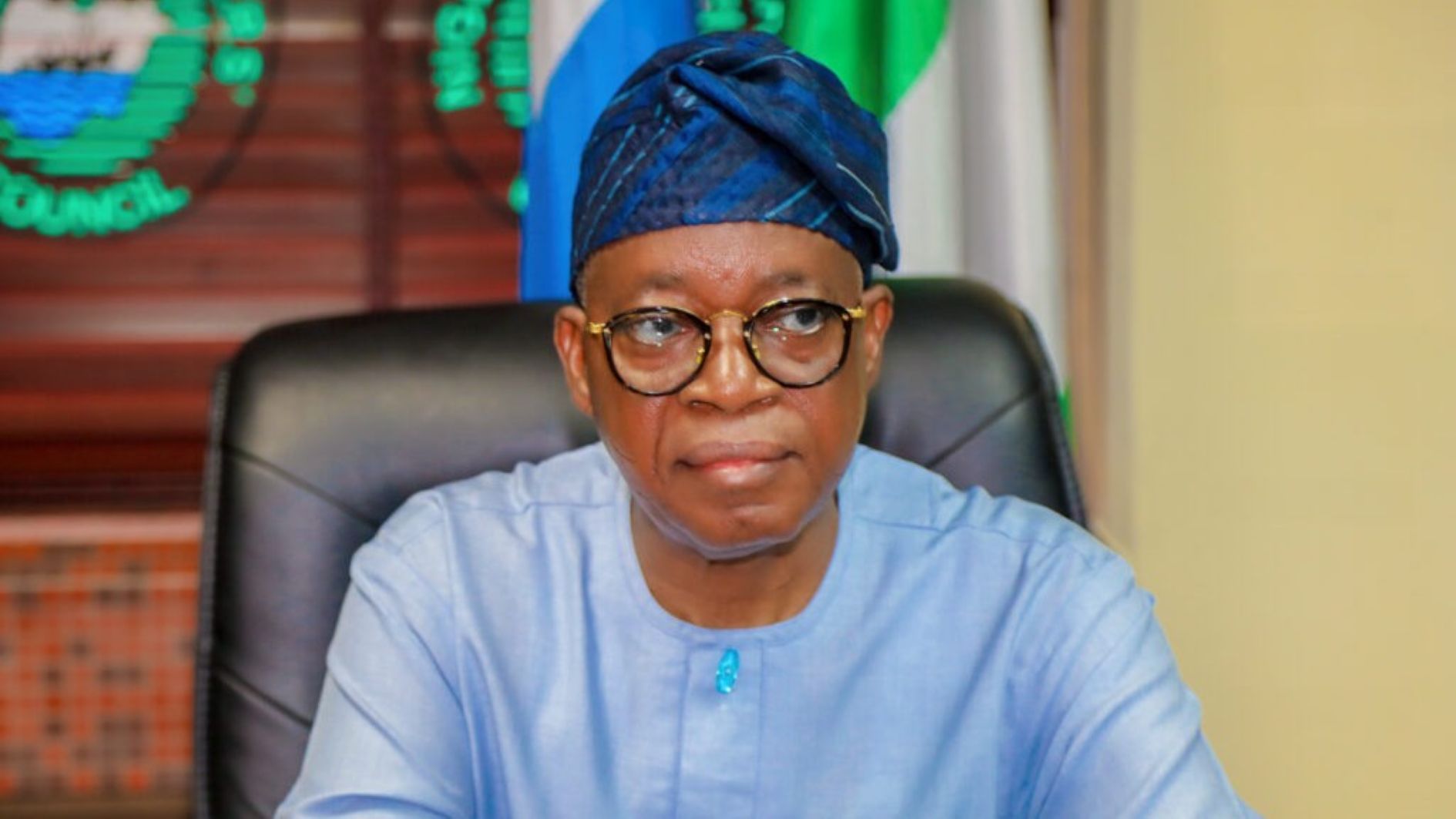
Oyetola Hosts Gambian Officials in Lagos, Strengthens Seafarers’ Certification and Maritime Digitisation Ties
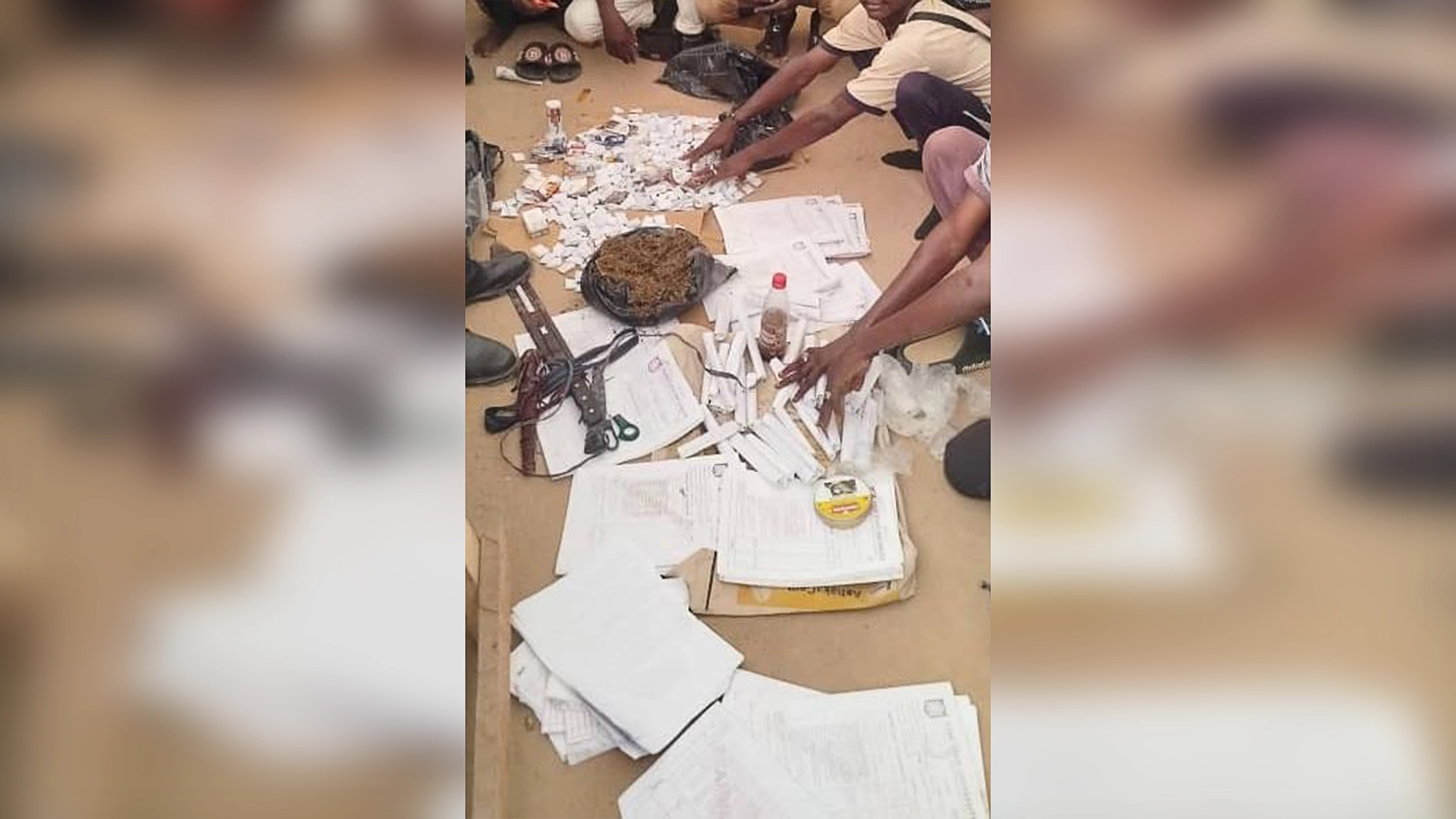
IGP Olatunji Disu Orders Nationwide Crackdown on Vehicles With Unregistered, Concealed Number Plates
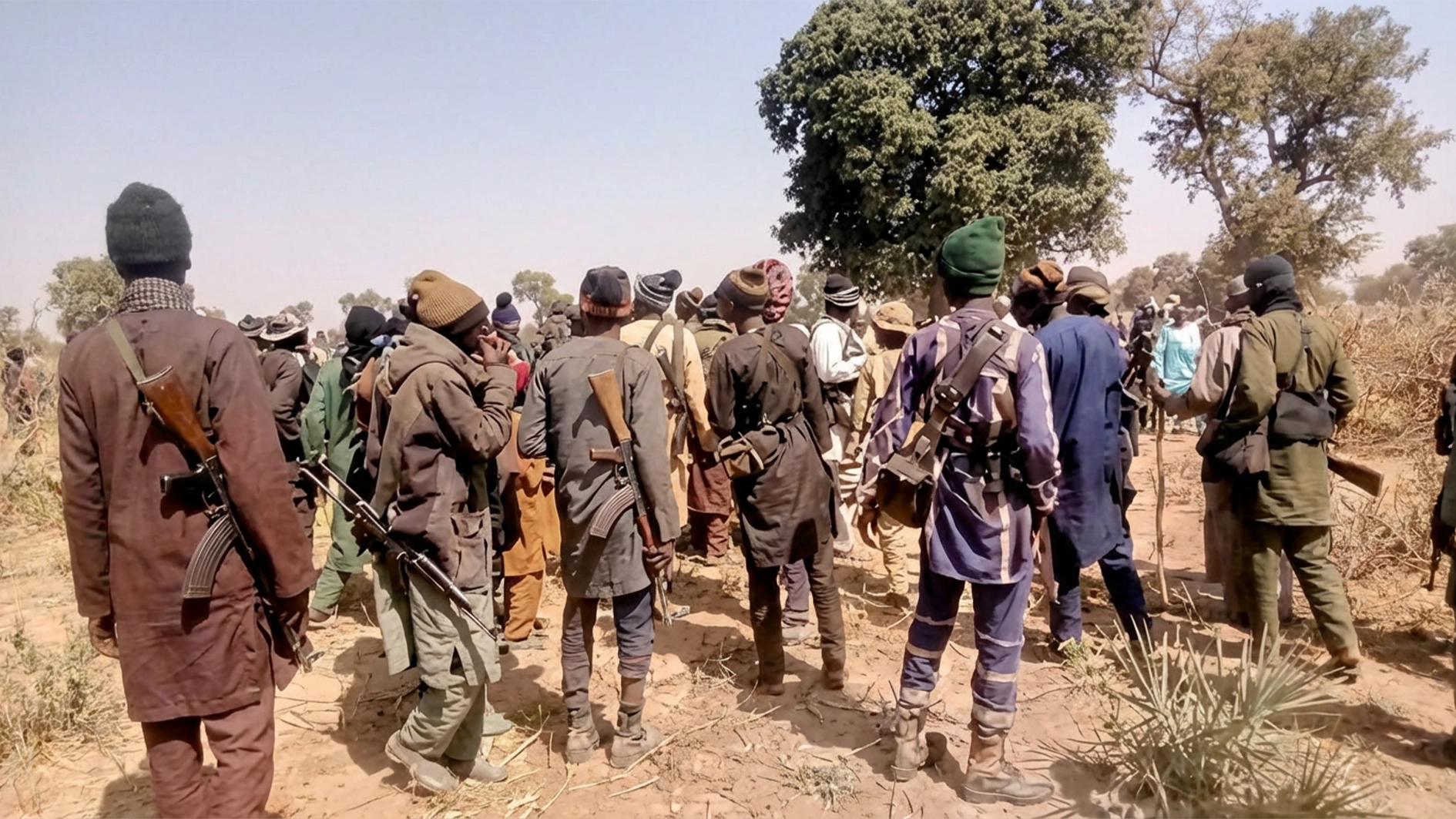
Oyo Trade Union Urges Swift Rescue of Abducted Teachers and Students
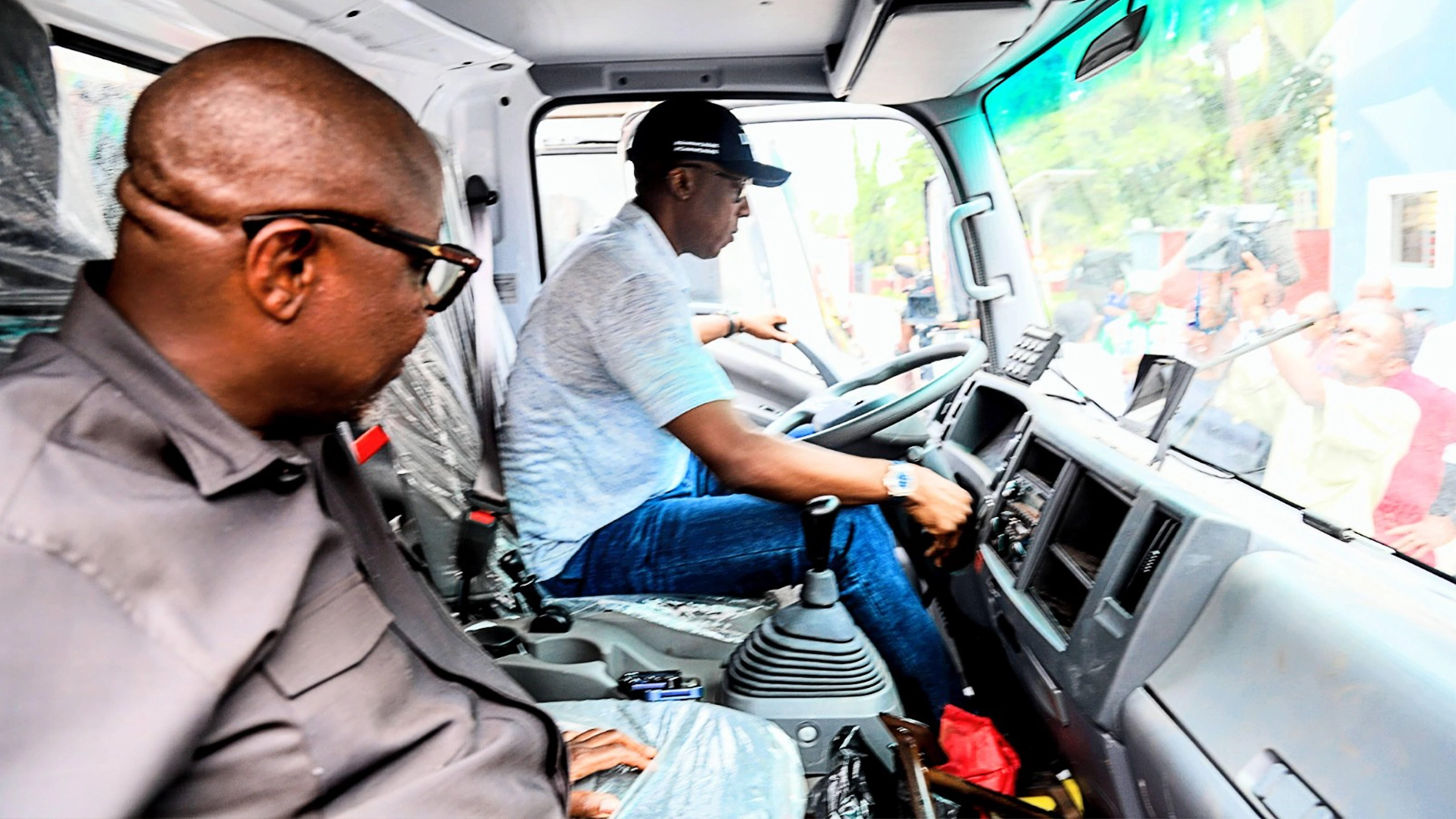
Lagos Receives 10 New Waste Compactors to Boost Refuse Collection Across State
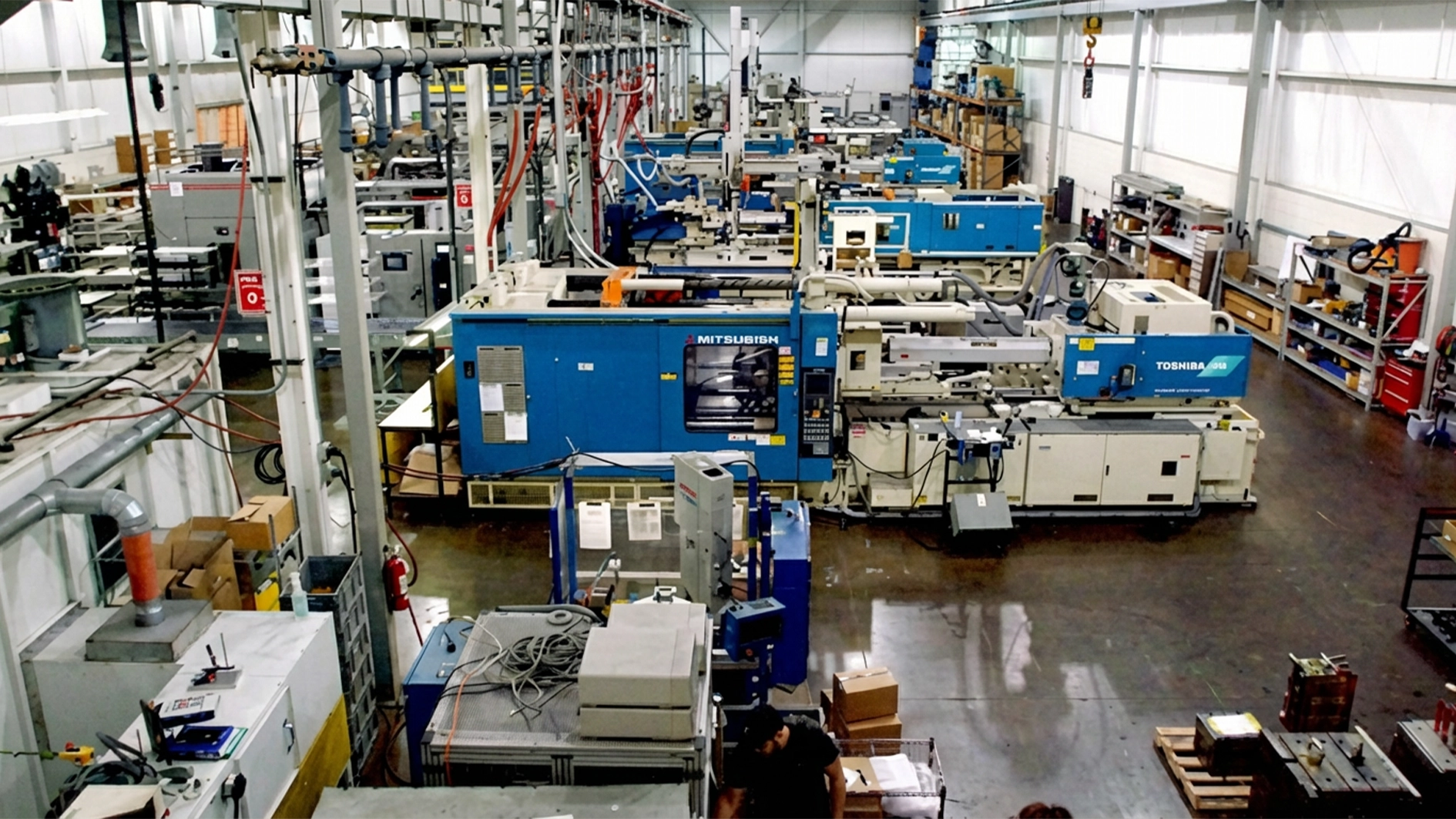
Lagos FMCG Giants Record ₦18.9bn Rise in Production Costs, Earnings Hit by Inflation in Q1

FG Launches $500m Abuja Formula 1 Bid, Targets Africa’s First Grand Prix Since 1993

Why More Nigerians Are Searching for Casino Bonuses—and What You Should Know Before Claiming

Fresh Romance Rumours Trail Lando Norris as Alix Earle Sparks Drama in Monaco

Somali Referee Omar Artan Blocked From US World Cup Over Visa Row, Misses Dream Debut

Moniepoint Graduates Second DreamDevs Cohort in Lagos to Strengthen Nigeria’s Engineering Workforce

Federal Government Launches Mining Grants for Research and Exploration Across Nigeria
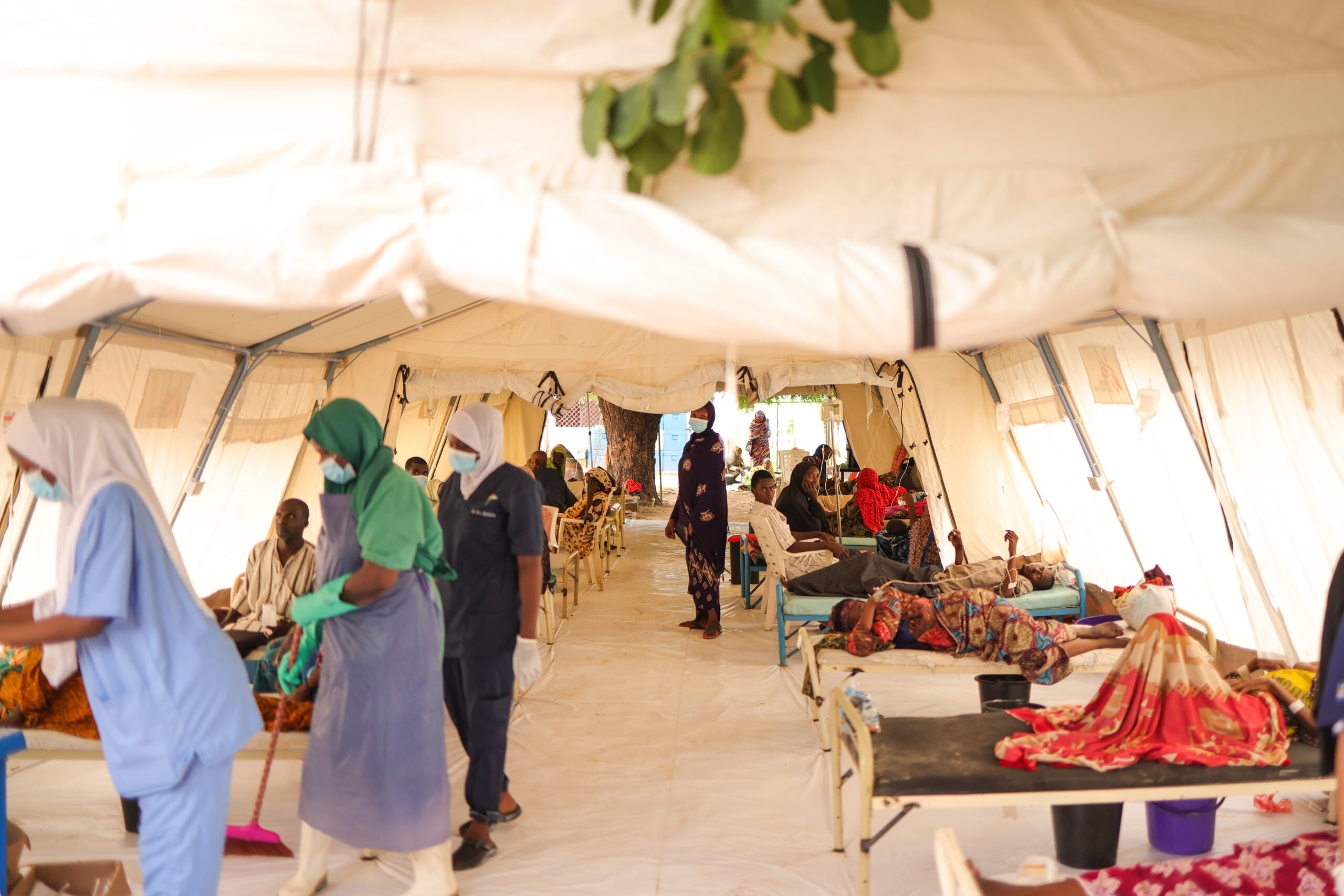
Borno State Records 74 Deaths as Cholera Outbreak Overwhelms Health Facilities
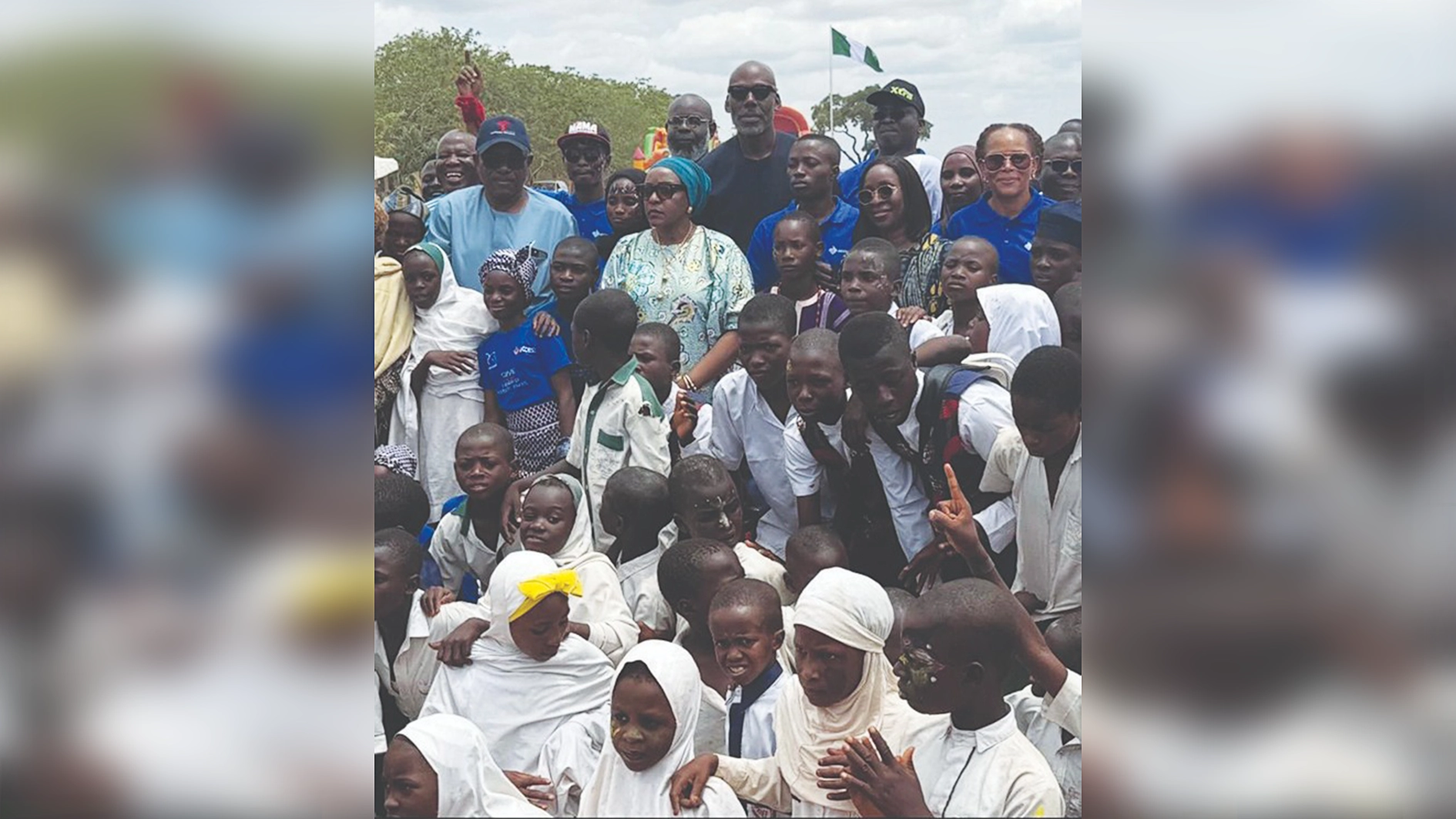
Kaduna Organisers Hand Over Polo Charity Event to Pupils for Children’s Day Celebration

House of Representatives Sets Thursday Vote on State Police Proposal